
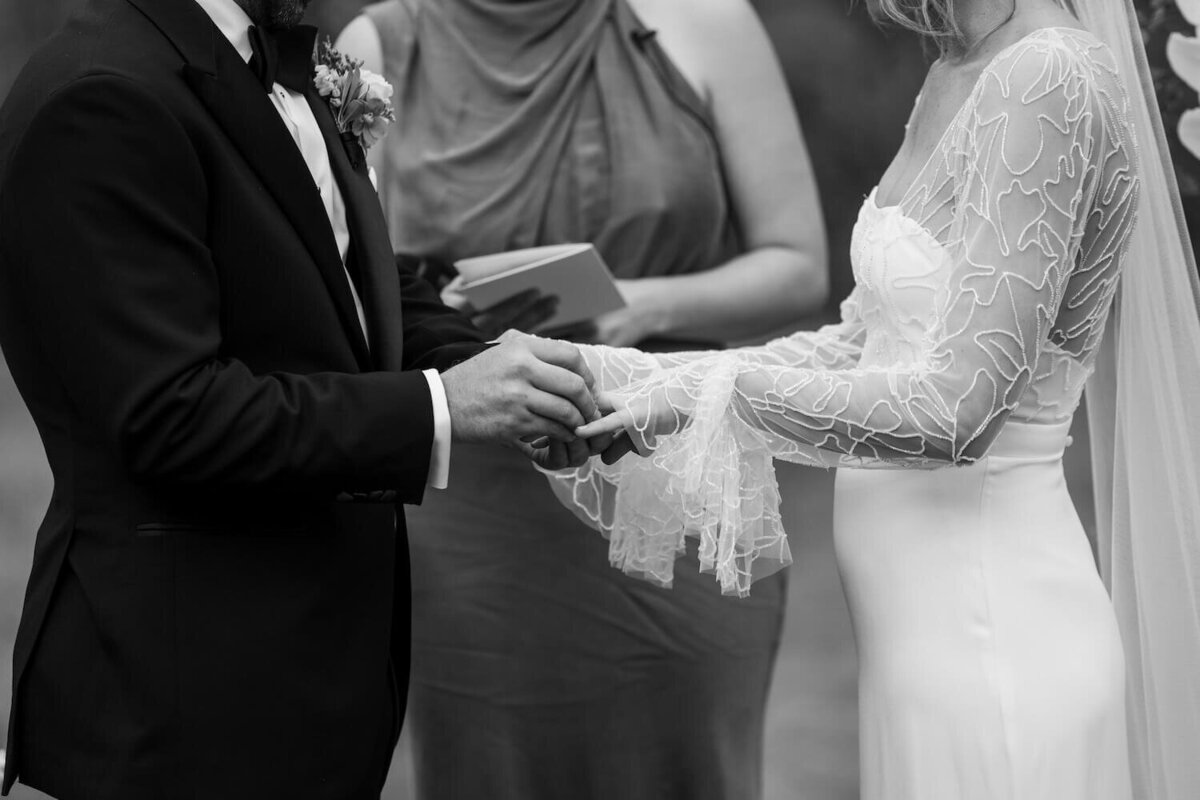
Sydney, New South Wales
Lonely Hunter Weddings
Richard shoots weddings across Sydney and the Northern Beaches, with a background in fashion, travel and lifestyle photography behind him.
Wedding Photographers
The Journal · Access friction
Most of them will not tell you what a wedding costs until you are sitting in front of somebody. That is a choice, and it is not made for your benefit.
By The Little Wedding Planner Editors ·
Across 1,463 Australian wedding businesses, the decision to publish a price has nothing to do with complexity. Photographers manage it 384 times out of 500. It is about whether the business wants you in a room before you know the number.
Ask an Australian wedding venue what it costs and you will rarely get a number. You will get a form.
The form wants your date first, because your date is the one thing they can lose. Then your guest count, then your email, and by the time you reach the box marked budget you have typed enough that abandoning it feels rude. Two days later somebody rings. She is warm, she is helpful, and she is very good at a job that is not to tell you what it costs. It is to get you into the room on a Saturday with a coffee in your hand.
The industry has an explanation ready and it sounds reasonable. Weddings are complicated, no two are alike, and couples anchor on a headline figure and then feel cheated when the real quote lands. All true. None of it explains who goes quiet and who does not.
This directory holds 1,463 Australian wedding businesses with a website: 614 venues, 500 photographers, 176 florists and 173 bridal stores across 80 regions. It is a sample of what is on the web, not a census of the industry.
Hold the photographers and the venues side by side, because everything follows from that gap. A photographer sells a day that has never happened before to a couple who will only have it once. So does a venue. His costs move with the season, the travel, the hours and the album; hers with the day of the week, the guest count and the bar. If complexity were the obstacle the two would behave alike. They do the opposite.
The florists sit lowest of the four, and look at what is being withheld there. Not a price. A floor. A minimum spend is the smallest number at which a studio will say yes, and for most florists even that stays off the page.
It would be comfortable to read the 482 venues that publish no per-head figure as disorganised, as businesses that have not got round to it. That is not what is happening. The number exists, and somebody releases it to you after a step you take first.
Photographers are the easiest place to see this, because most of them do publish, and the ones who hold a price back will usually say so on the page. One New South Wales photographer publishes four packages in complete detail: twelve hours of coverage down to six, the second shooter, the album voucher, the turnaround on the gallery. Where each price should sit, the button reads "Get pricing". A Melbourne photographer publishes no package list at all, offering instead to "tailor a personalised proposal". The proposal is the product, and it is the one you are sold first.
And here is the reasoning, put more plainly than most dare.
Your wedding is unique to you... So please fill in my enquiry form to see my pricing guide and allow me to create a custom quote to suit your day and what you need and want to spend.
That is one photographer in regional New South Wales, on a page that still carries an older guide under an earlier trading name, so read it as what that page says rather than this year's position. The argument, though, is not hers alone. You will hear it from people who never write it down. Your wedding is unique, therefore no figure can be given. But a builder quoting a renovation has never built that house before either, and publishes a starting figure anyway. Uniqueness is an excellent reason to publish a range. It has never once been a reason to publish nothing.
Watch the order it happens in, because the order is the whole trick. You give your date. They confirm it is free: your first small yes. You take a call. Somebody builds a document with your names across the top of it.
Only then does the figure appear, and by then it is not information. It is an offer from someone you have begun a relationship with, and turning that down costs something closing a tab never did.
Count what the sequence costs you. Ten venues on the shortlist, seven of them behind a form, each one an enquiry, a wait, a call, a Saturday morning in the car. Nobody has that many Saturdays. So the list gets cut to the three who answered in writing, or cut on photographs. The people who write those forms want you in the room before you see a number, and they get what they want.
A cattle property outside Tweed Heads publishes venue hire for 2026, 2027 and 2028. In 2026 it is $9,000 for a peak date, Friday to Sunday, and $7,500 off peak, Monday to Thursday. That fee buys 48 hours of exclusive use of the property and nothing else, with food, beverage and a bar minimum all charged on top. Three years of prices, published before anybody has filled in anything. Whatever is stopping the other 482, it is not that prices change.
Then the two figures that finish the argument. The highest published per-head figure in this directory is $385, at a venue in Brisbane, and the next highest $295, at one in the Yarra Valley. The $385 is not a whole-wedding rate: it is what each guest beyond 55 adds to a package published at $21,500 for those 55, and not a number to multiply across a guest list. The $295 is a 2026 lunch wedding, a one-hour ceremony and four hours of food and beverage. Both sit on a page anyone can open. You can charge $385 a head in this country and still print it.
Across the 132 venues that do publish, the median is $110 a head and the figures run from $25 to $385. That spread is the answer to the complexity argument. The variation is enormous and 132 venues printed their number anyway. A range is information. Silence is not.
An Adelaide florist states its floor three times on one page: in the summary that opens it, in a section it heads as an honest note, and again in the FAQ. "Full-service wedding work begins at $8,000. If that suits your plans, check your date first." That is a minimum for full-service work rather than a single bouquet, and it is the highest published floral minimum in this directory.
One label answers the money question in its own FAQ, and then answers the harder half of it.
The cost of a KAREN WILLIS HOLMES wedding dress ranges from AUD $3,990 to AUD $13,000. This is not inclusive of alteration costs.
The second sentence is the one that matters. Alterations are the cost most published bridal ranges silently exclude, and this label says elsewhere that they are "expected and essential", so the real spend sits above the band it has just given you. Publishing a range and publishing its exclusion are two separate acts of honesty.
A bridal gallery in Brisbane publishes a middle.
Our gowns range from $3,000 – $14,000. The majority of our gowns are around the $5,000 – $7,000 mark.
A range tells you what is possible. A median tells you what is likely, and almost no bridal store prints one. That band is the gallery's own offer rather than everything it sells, since its outlet clears past collections and ex-samples separately.
One chain publishes gowns from $599 made to order, in sizes 2 to 28. It publishes its lead times too, with prices attached: 26 weeks as standard on any style, 20 weeks for $150 more, and 14 weeks for $300 on selected styles. Then the sentence a store gains nothing by writing. The clock starts at the deposit, and it excludes your appointments and your alterations, so twenty-six weeks is not the whole wait. It is printed beside the number instead of left for you to find in an email.
None of this makes the people behind the forms villains. The woman who rings you two days later did not decide what you get told and when, and mostly she cannot change it. Her job is to get you in the room before you see a number, and she is good at her job. You are allowed to do it the other way round.
Put your figure in the first message you send. Not a coy range: the amount you can spend, and the guest count it has to cover. Ask for the floor in writing before you agree to a call, then ask what the floor excludes, because the second answer is worth more than the first. A business that will not give you a figure until it has given you a proposal has told you something real about how it sells, for the cost of an email instead of a Saturday.
Then go and stand in the room, if you still want to. Just go knowing the number. Somebody in that building already does.
Richard shoots weddings across Sydney and the Northern Beaches, with a background in fashion, travel and lifestyle photography behind him.
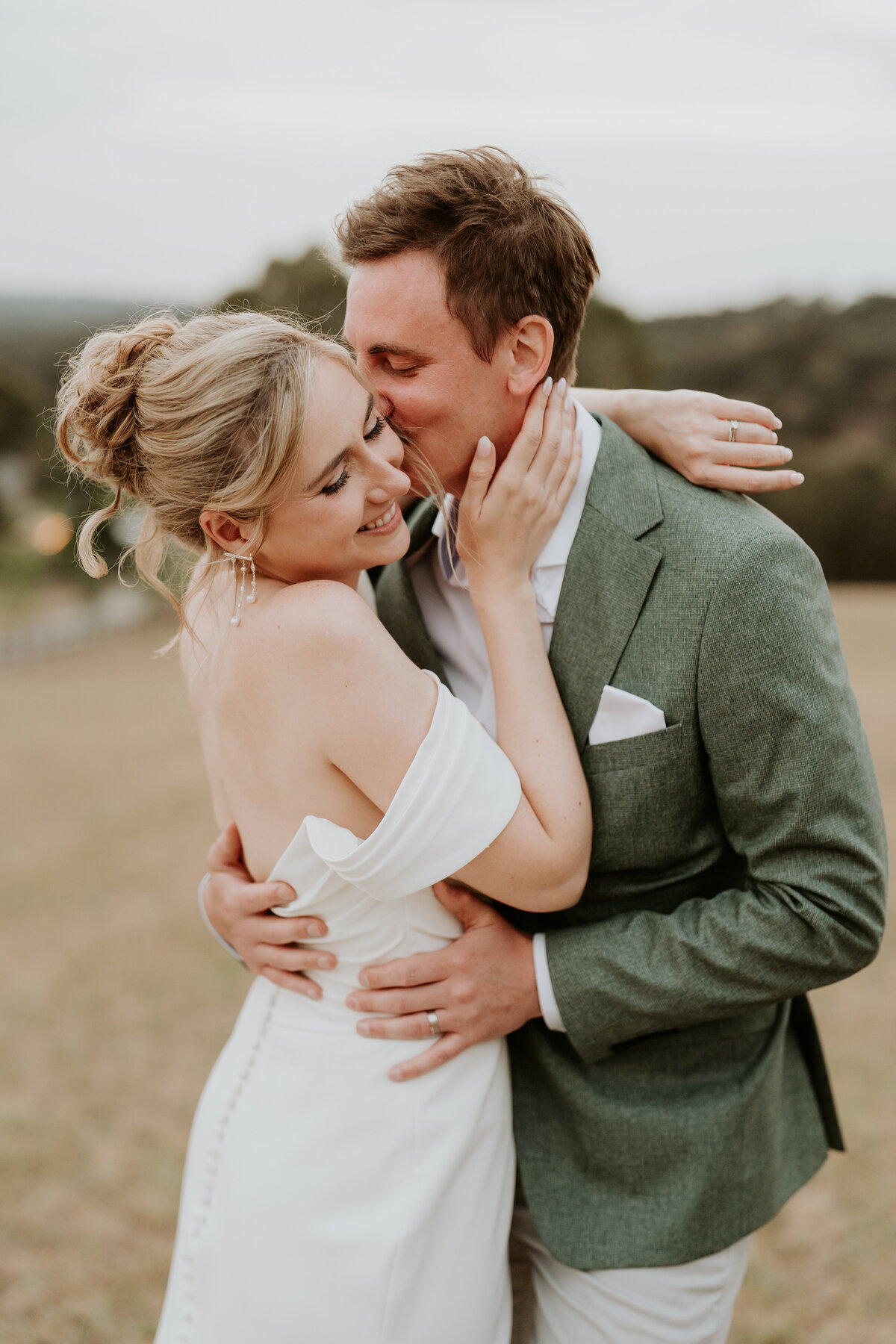
Lachlan grew up on a farm in Gippsland, moved to the city to chase film-making, and now photographs weddings out of the Yarra Valley.
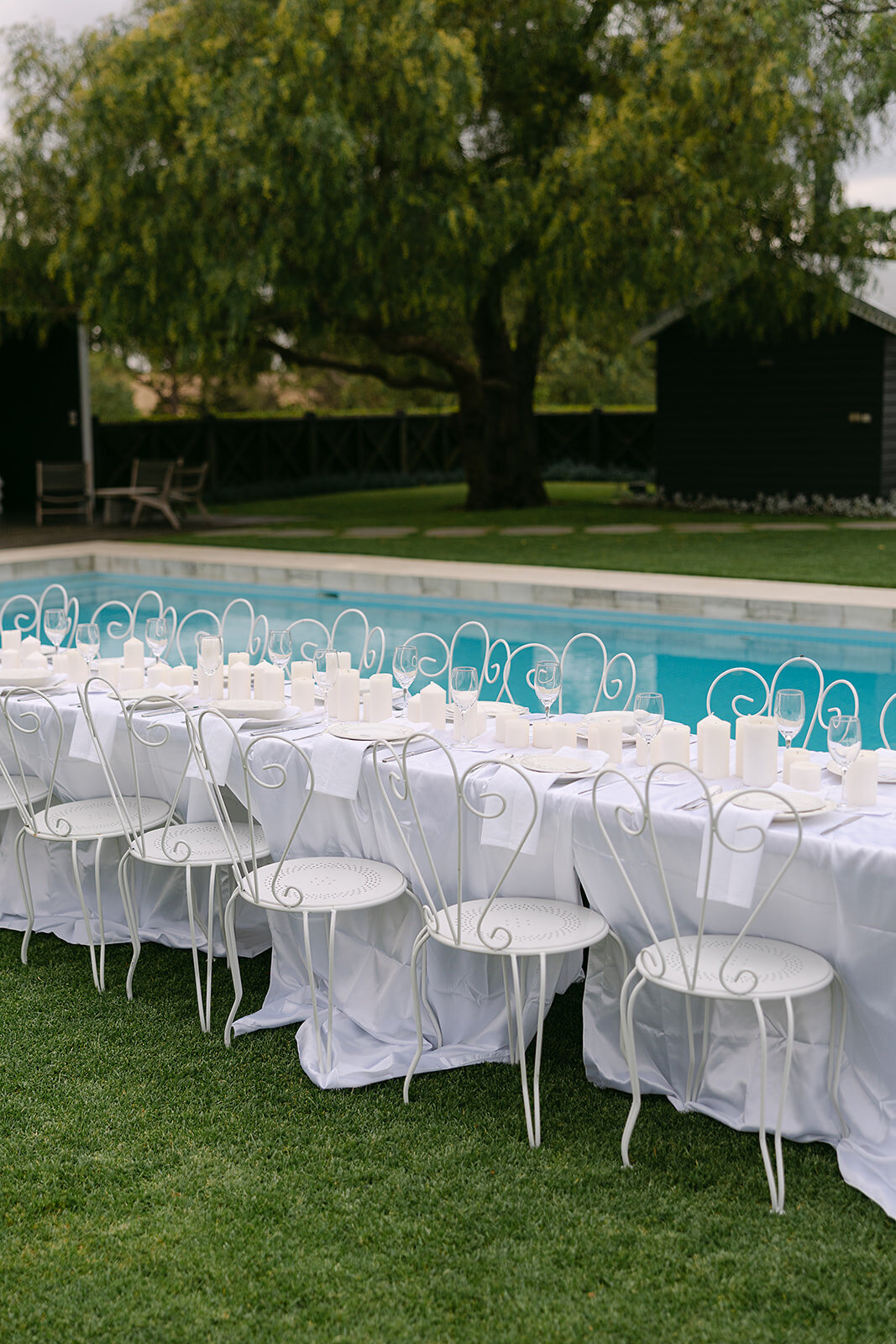
Ashleigh has photographed more than eight hundred weddings since 2013, across Australia, Europe, North America and Asia, and she takes a deliberately small number…
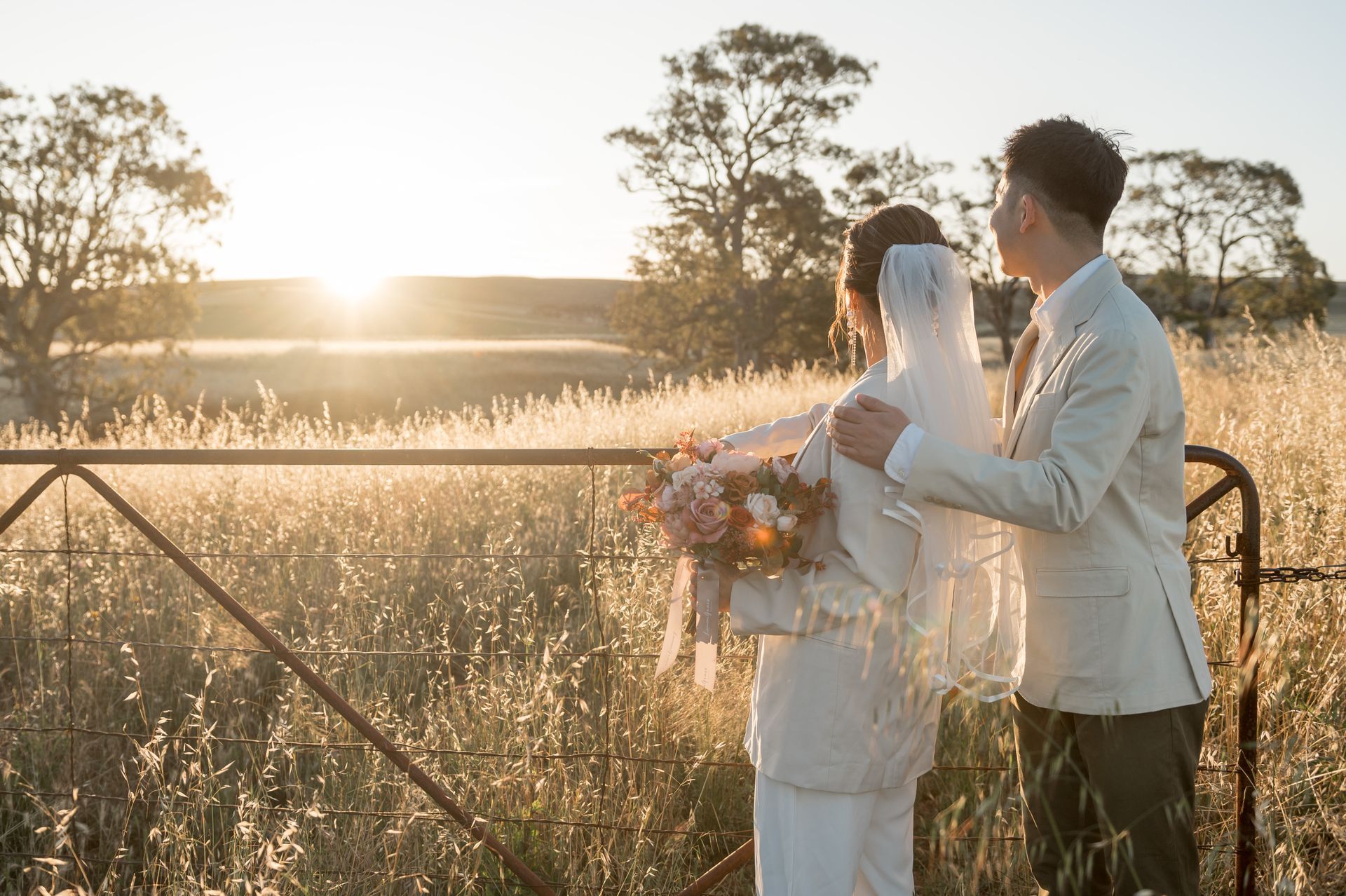
Rebekah Bianca photographs weddings out of Tamworth, across regional New South Wales and further afield — she keeps a kitted-out van and will follow a couple to the…
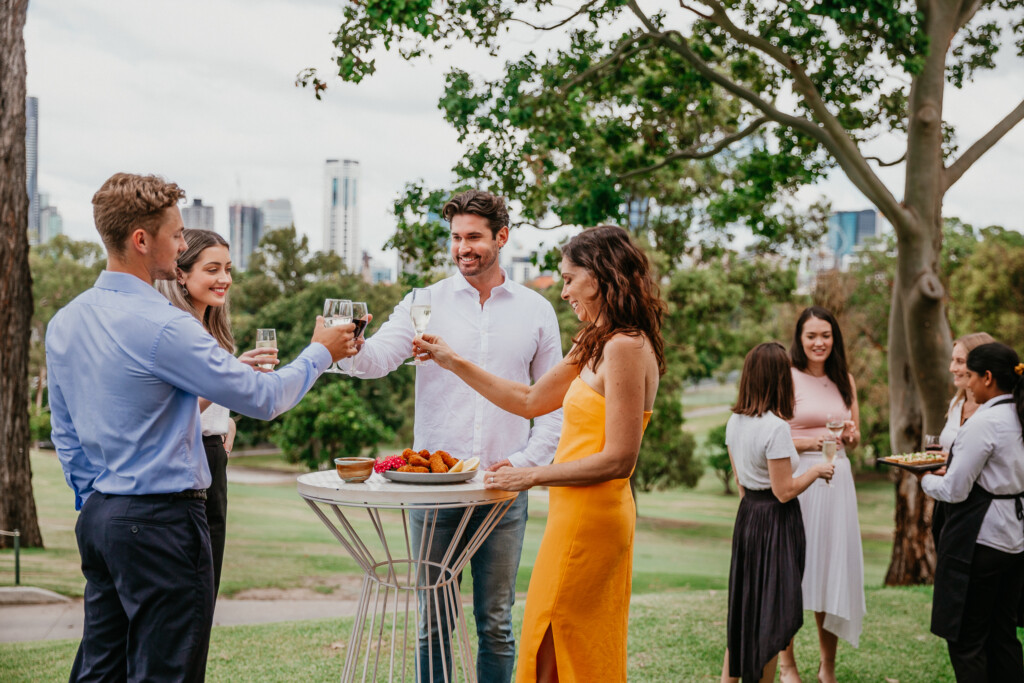
Nestled just two kilometres from the CBD in Herston, Victoria Park Brisbane is a sprawling, award-winning destination that epitomizes the “all-in-one” wedding…
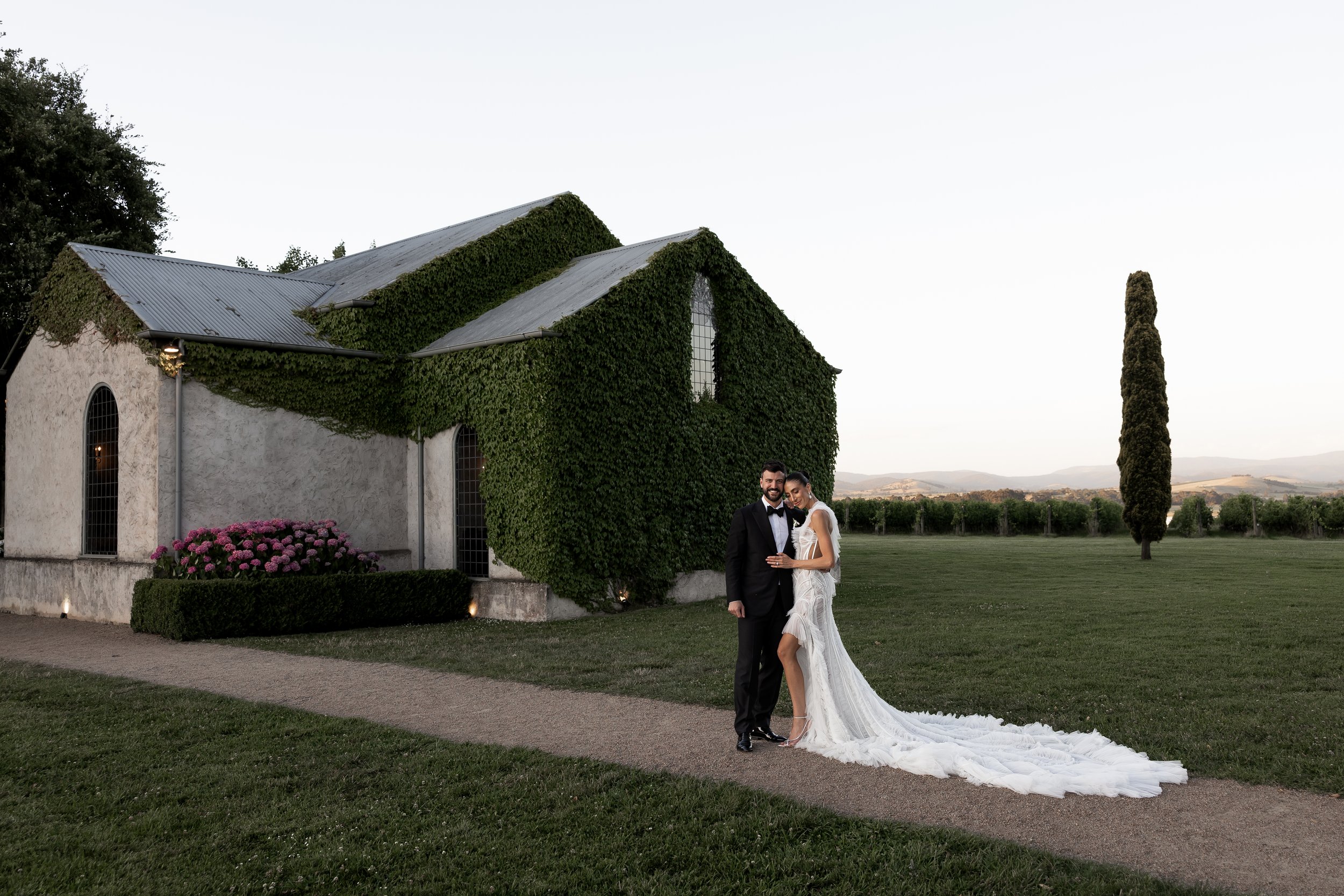
Stones of the Yarra Valley is the region’s icon — an ivy-swallowed 1868 barn, a luminous chapel and vine rows running to the Great Dividing Range at Coldstream…
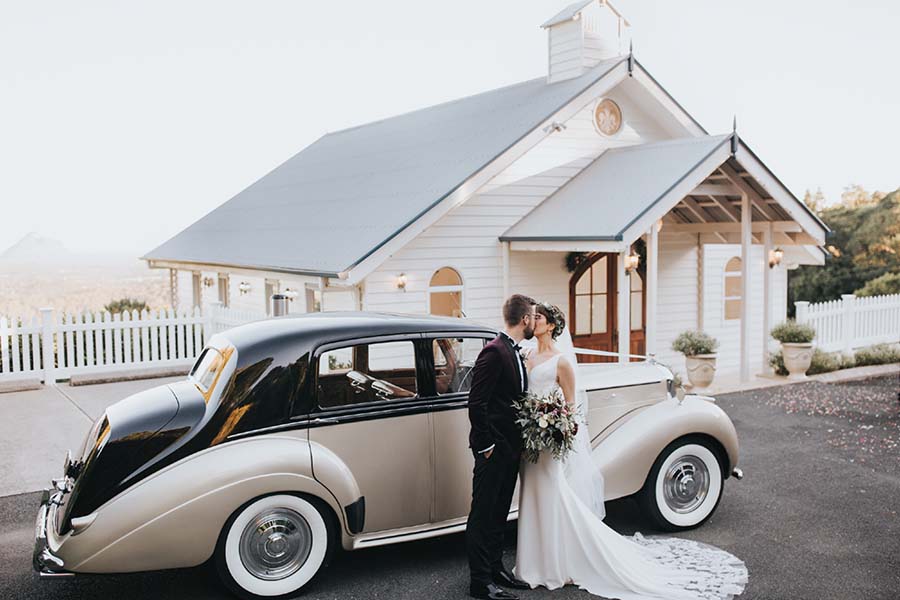
Tiffany’s Maleny sits on the hinterland’s edge with the Glass House Mountains stacked across the view — a white chapel with a picket fence, verandah pavilions and…
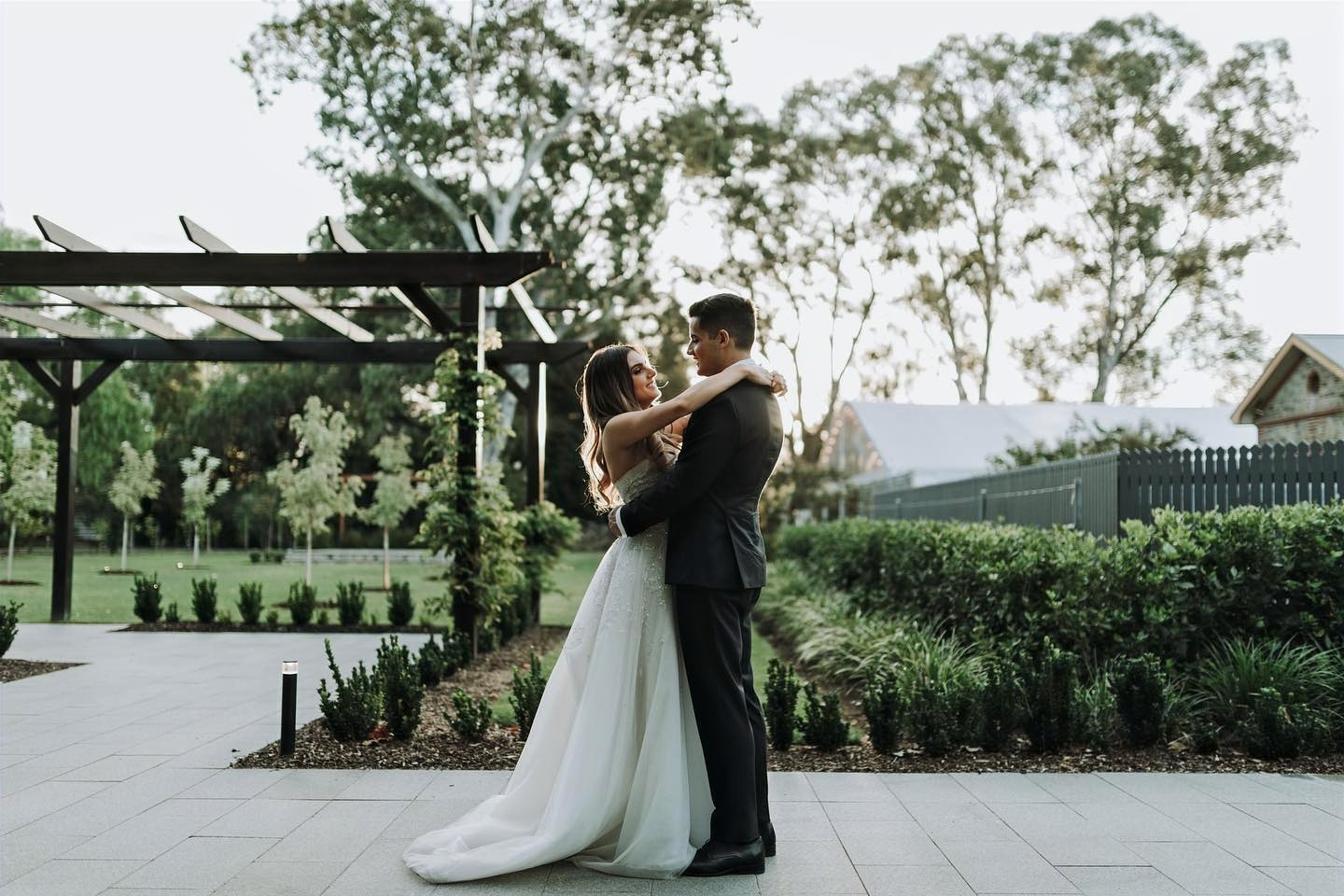
Sunnybrae Estate is Adelaide’s hidden heritage escape — an 1882 homestead on eight acres of gardens at Regency Park, twelve minutes from the CBD.

Pioneer Country is a fifth-generation cattle property at Tweed Heads South, owned by the Sullivan family since 1892 and ten minutes from Gold Coast Airport.
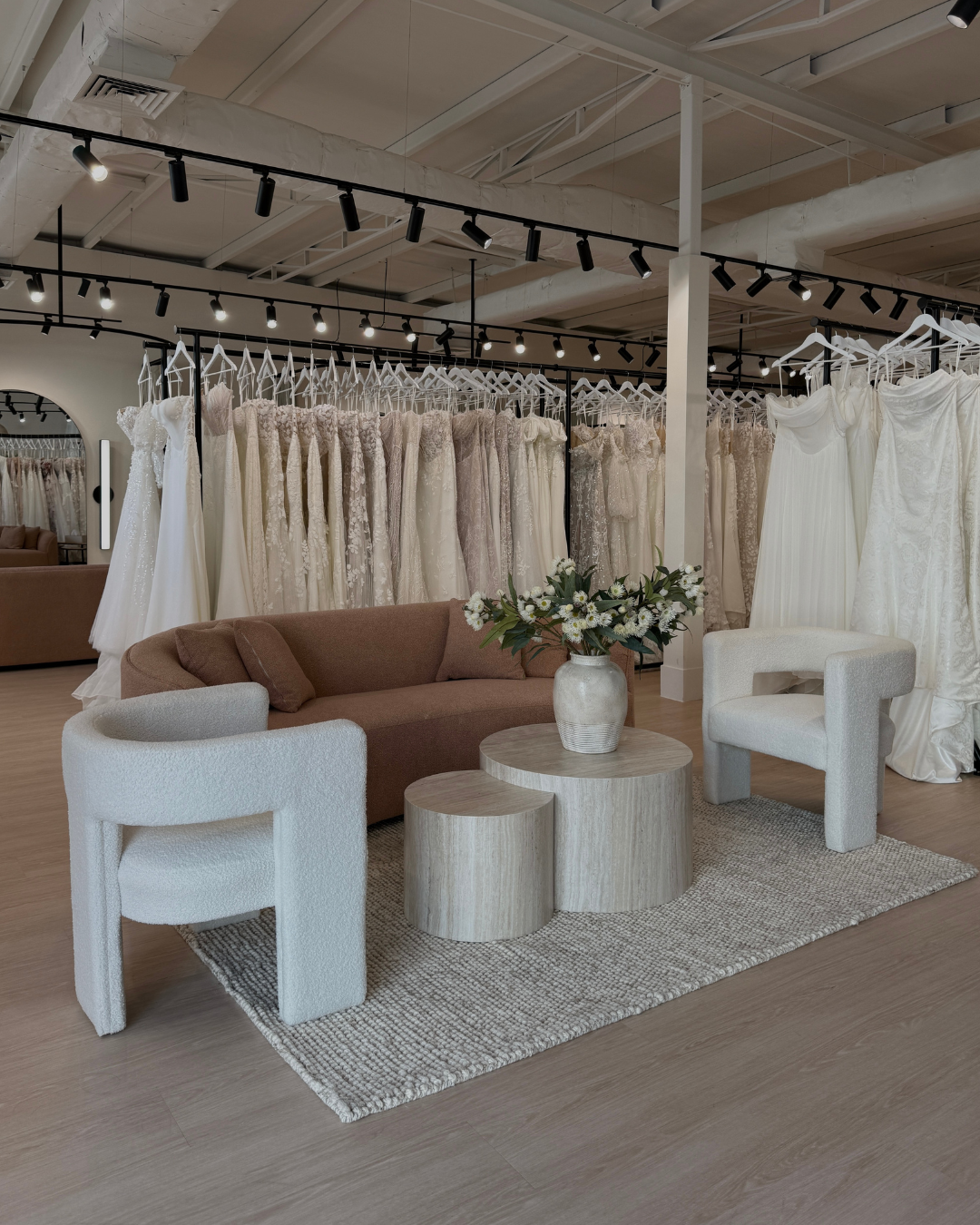
Luv Bridal is Australia’s largest bridal chain and has been trading since 2009, with twelve showrooms from Townsville to Hobart.

Studio88 is a full-service wedding florist working from Manton Street in Hindmarsh, taking a limited number of Adelaide weddings each month.
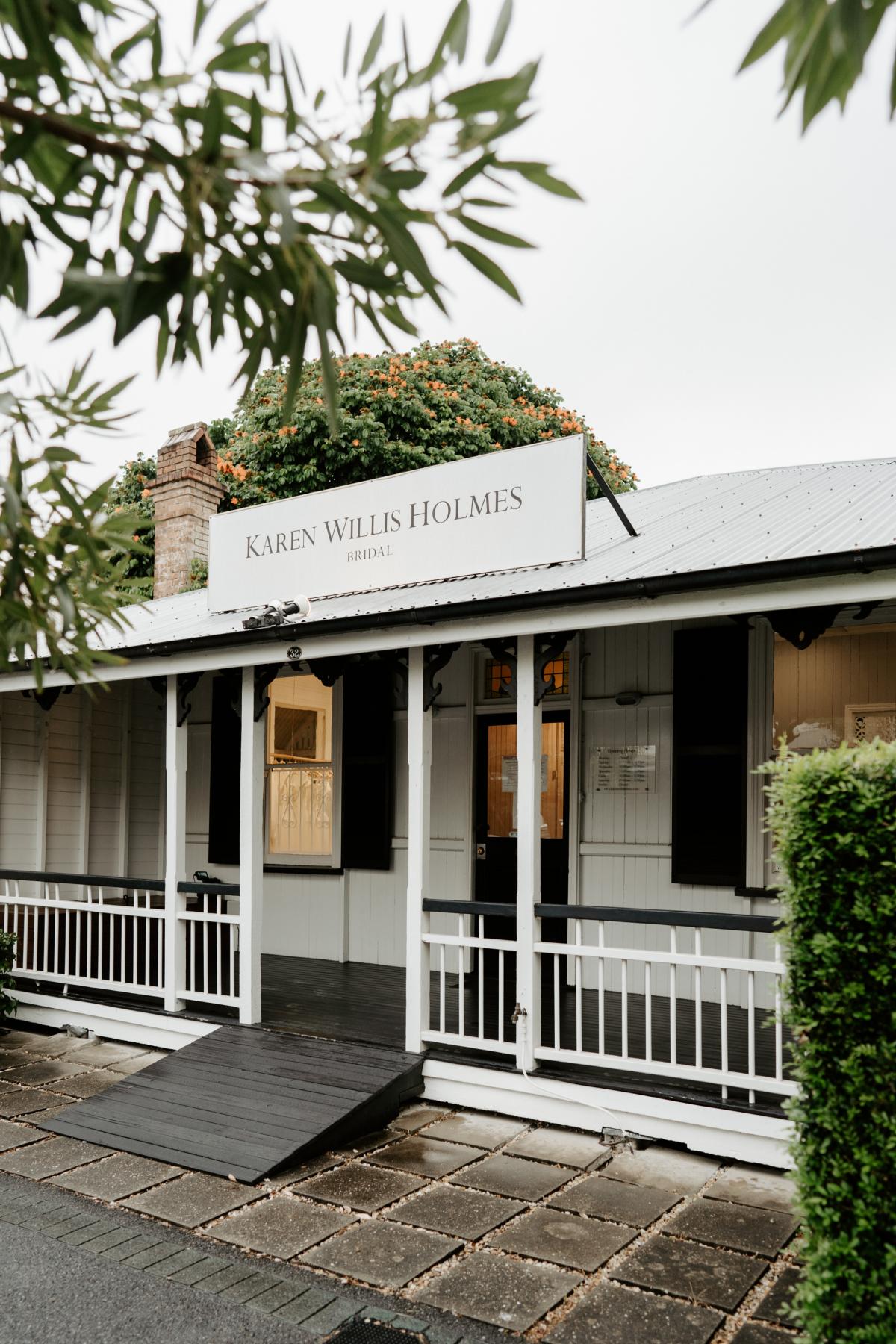
Karen Willis Holmes has been designing in Australia since 2000 and sells its own gowns through three boutiques — a Sydney flagship at Alexandria, a Melbourne space…