
Perth, Western Australia
Red Eclectic
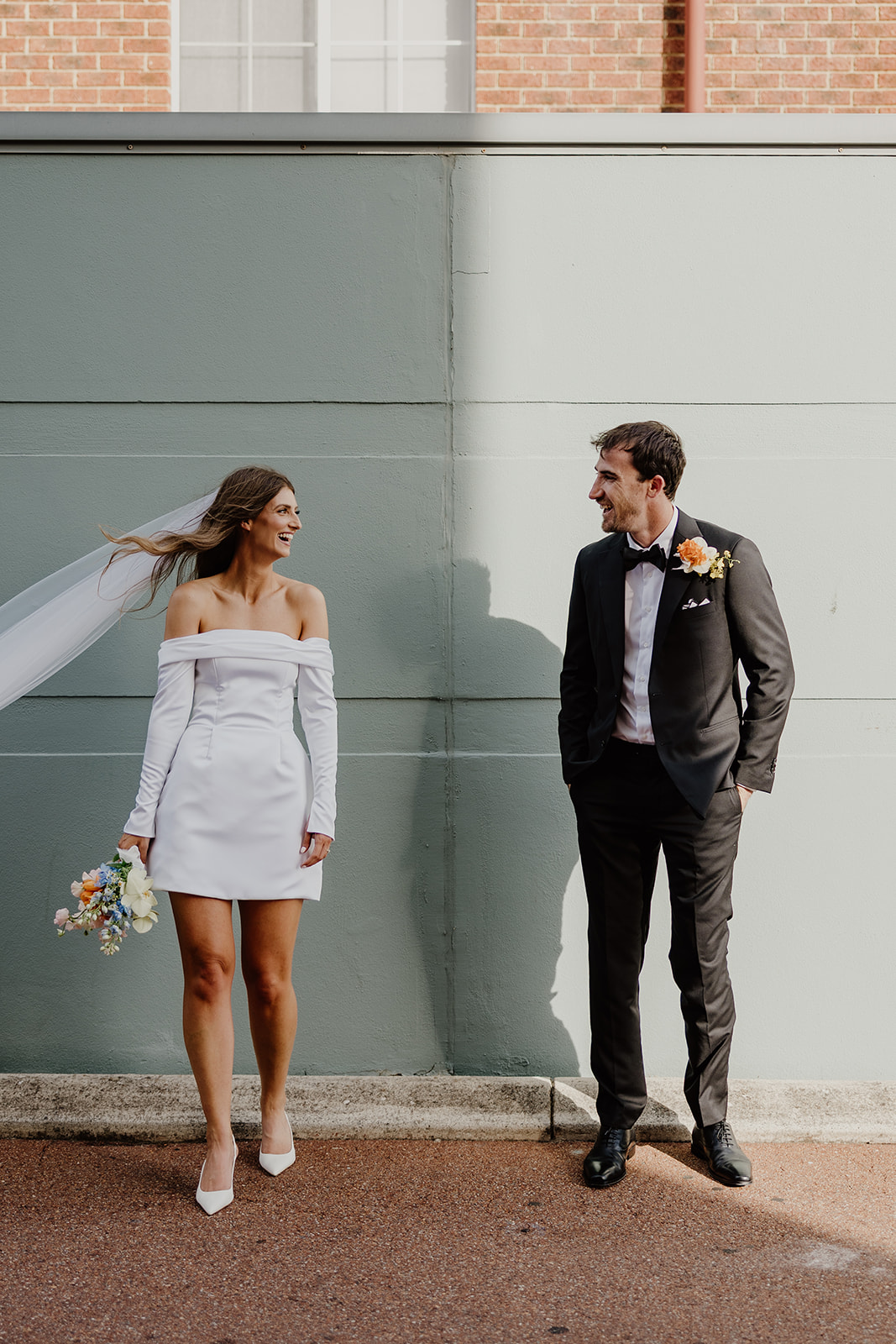
Red Eclectic is Kat, a Perth wedding photographer who works almost entirely with couples doing it their own way.
Wedding Photographers
By appointment
The Journal · Booking timeline
Timeline help sits on a photographer's inclusion list and reads like packaging. It is not. How early she does it is what separates the last two on your shortlist.
By The Little Wedding Planner Editors · · Updated 10 September 2026
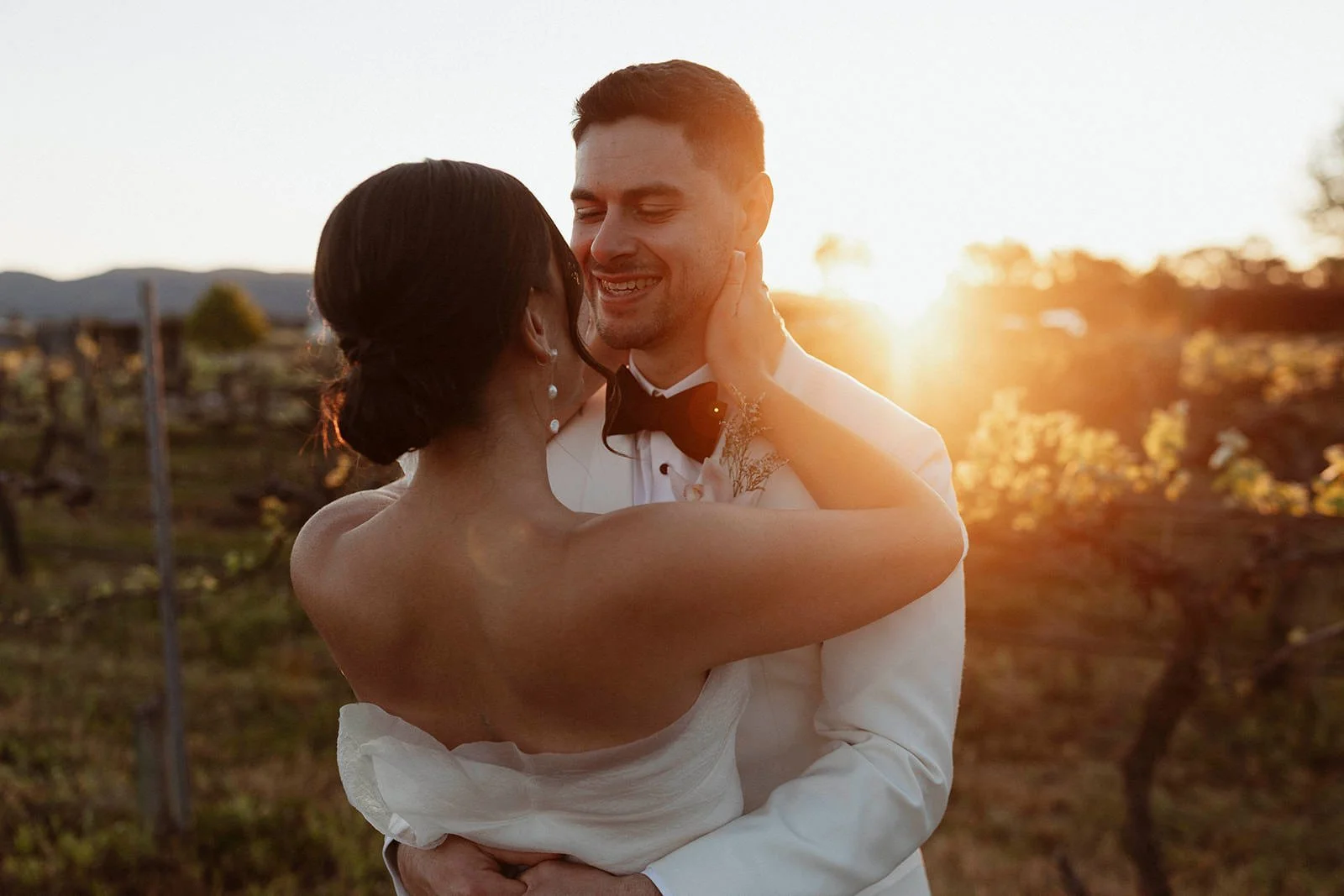
Timeline help sits on the inclusion list, in with the gallery and the memory stick, and it reads like packaging. The gallery, the files and the album are the record of a day that has already happened. The planning is the part that decides what the day is like, so the question is not whether a photographer helps with the running order. It is how long before the wedding she does it, and whether she will do it before you have committed to a number of hours. When the pictures are equally good, that is what settles it, and it is not in either gallery.
The light goes gold on the lawn at twenty past six, and you are inside, sitting down, halfway through a plate of something with a jus on it.
Nobody did anything wrong. The kitchen served on time, the celebrant finished on time, and dinner was called for six because six is when dinner is. Everything else at a wedding can be asked to wait. The sun cannot.
Somebody on your supplier list knew that before you did. She spends her working life in the gap between the last course and the last of the light. She will work the running order out with you for nothing extra, if you ask early enough for it to matter.
When you are down to two whose pictures you love equally, and the words on their about pages have stopped separating them, what settles it is not in either gallery. It is which of them will sit down and work out the running order with you, and how long before the wedding she will do it.
Asking whether she helps with the timeline gets you nowhere. It is already printed on the list of what you get, in among the online gallery and the sneak peek and the memory stick, and down there it reads like packaging.
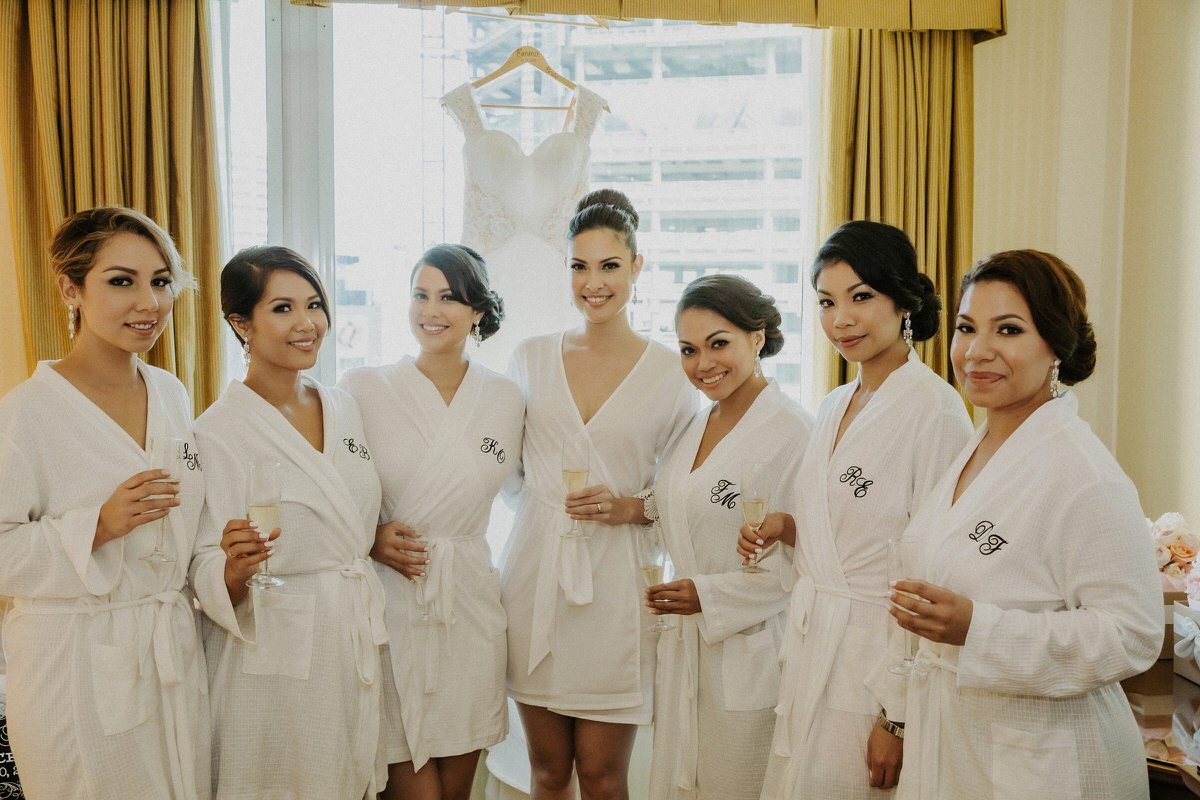
The gallery, the files, the album, the print credit: all of that is the record of a day that has already happened. The planning is the part that decides whether you are out on the grass at twenty past six or inside with a fork in your hand.
So the useful question was never whether. It is when.
Your florist is finished before the first car parks. Your celebrant is finished twenty minutes after you are. The band turns up for the evening. The people who run the building hold the whole night together, but their day starts when yours arrives at the door. Your photographer's day started at ten in the morning, in a room somewhere else, with the dress on the back of a door.
Now run the day forty minutes late, which is what days do. The kitchen holds the food. The band starts later and still stops at the same time. Everybody absorbs it and the wedding is fine. She cannot, because the light she came for has not moved with the rest of it. The portraits meant for the last good half hour of daylight are happening at a table now, under a marquee light.
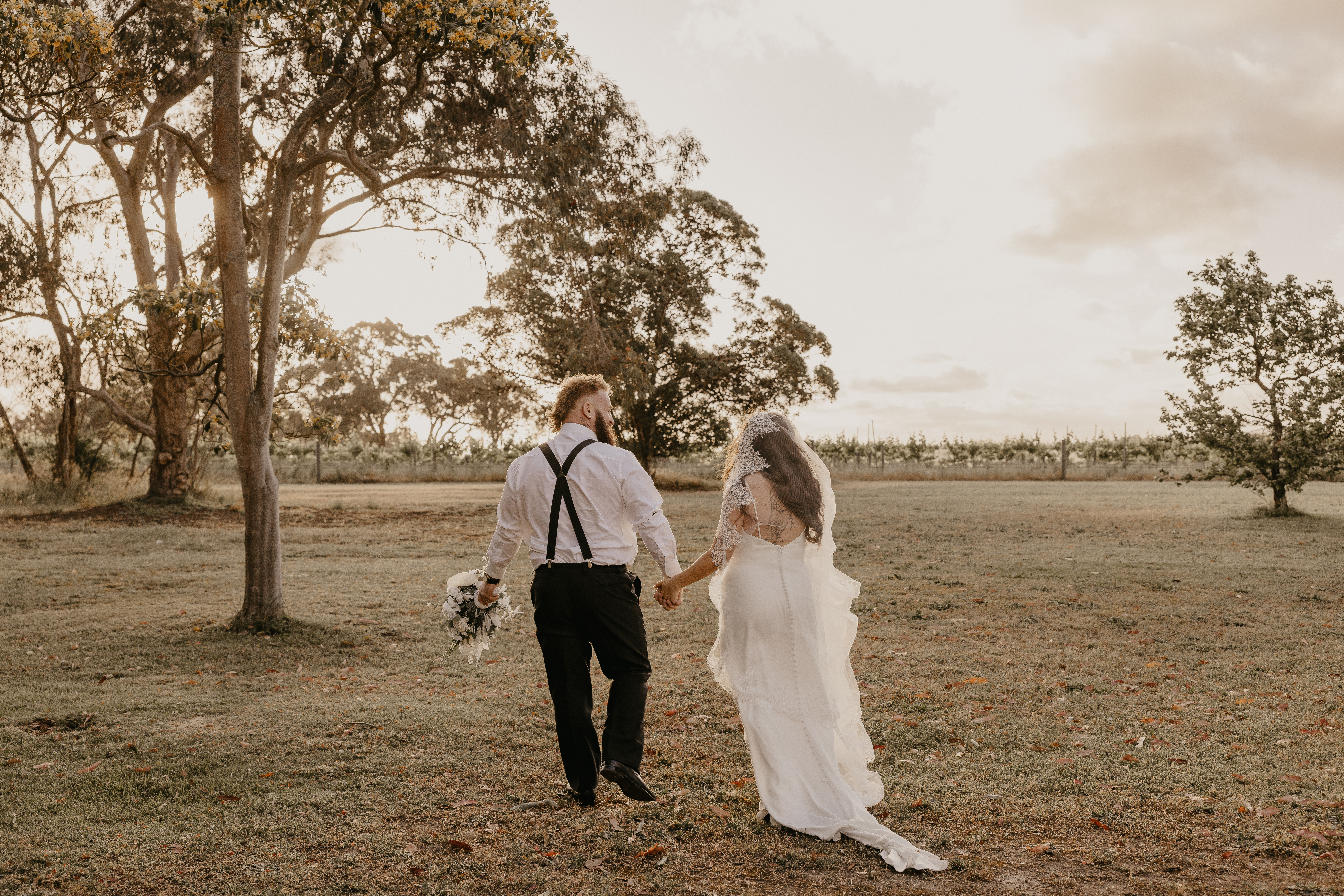
So yes, when she offers to build the running order with you, she is arranging her own working conditions. Take that as the recommendation and not the catch. She is the one person you are paying whose own work is spoiled by your schedule slipping.
Timeline is one word for two different pieces of work, and they happen at different distances from the wedding.
The first is the call that confirms, and some photographers make it in the last fortnight or so. There is nothing wrong with that. It is where somebody finally writes down which grandmother goes in which group. But by then the ceremony time is on the invitations and the caterer has staff rostered against it.
Then there is the meeting that happens while things can still move, and it is the one I would want promised in writing. Have it early and you can still change the hour you get married at, and every other time in the day is set from that one. Have it late and the only thing left to change is who stands where in the family groups. Some photographers will sit down with you months out and do it properly. A few go further and offer to show you where the light falls on your own date before you have chosen anything at all.
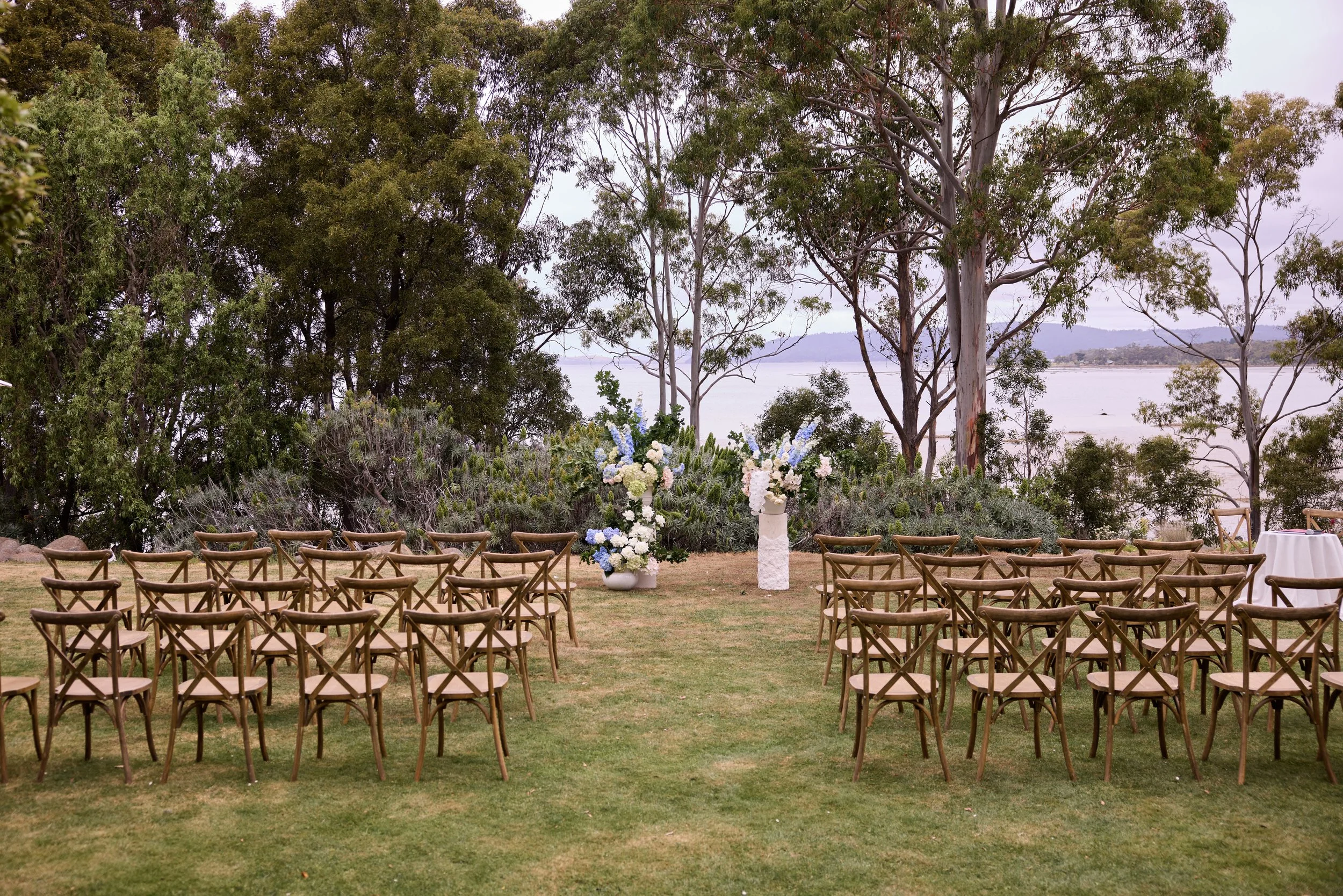
A photographer who shows you where the light will fall before you have booked anything has put the planning first and the hours second.
You think the hours are the thing you are buying and the planning comes free with them. It runs the other way, and some photographers say so on the page: do not pick your hours yet, lock the date first, and let the timeline tell you what you need.
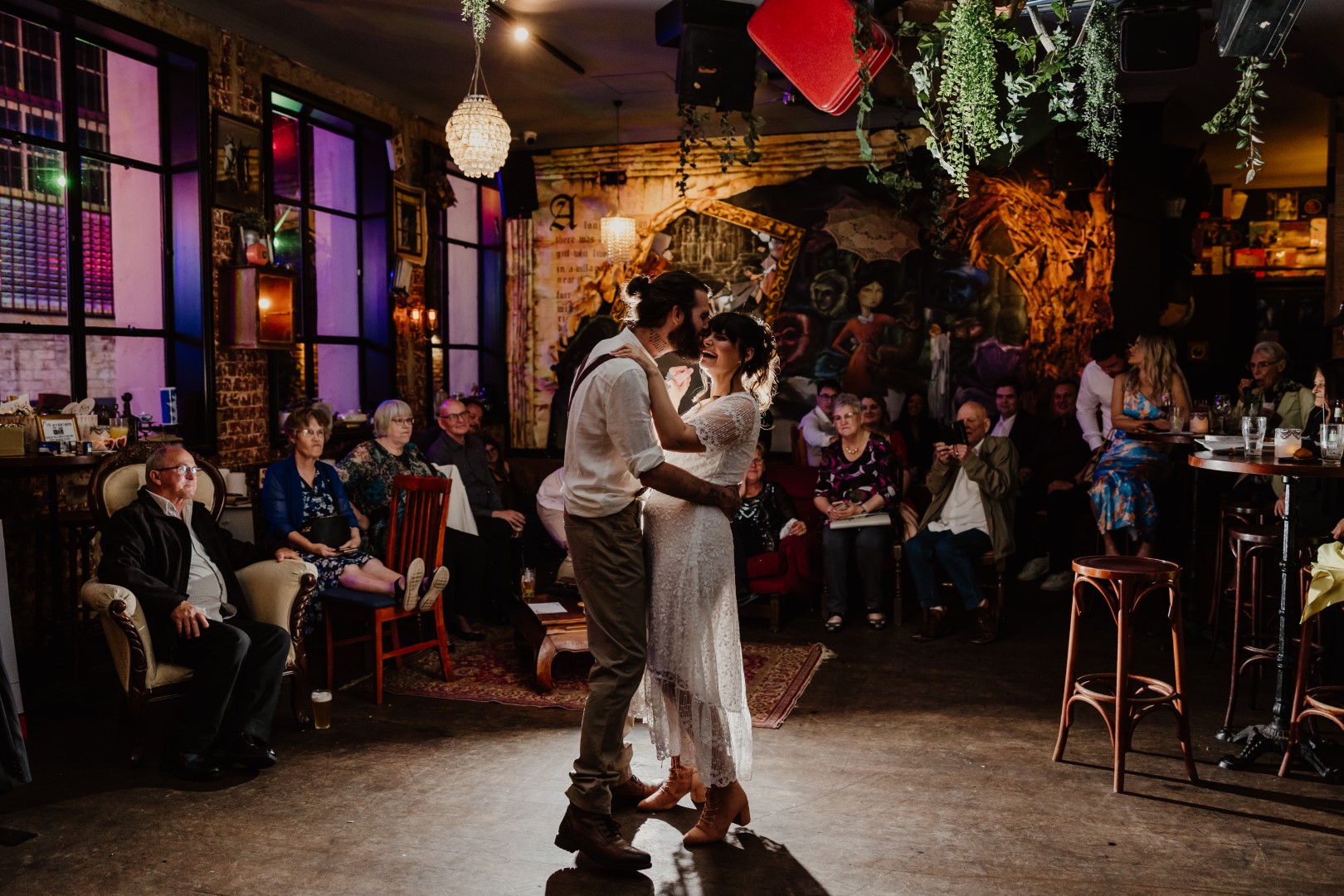
The hours are the expensive part. The planning has no price on it, and the planning is what tells you how much of the expensive part you need. That is a backwards way to sell anything. It is still the order it works in.
Timeline help is not a list of things to demand.
Some photographers publish it as guidance with no cap on it: ask as often as you like, about the running order and about who else to hire. Some will drive out and stand in the venue with you and work out where the light will be at the hour you want to be standing there. It sits inside the price, and it is why a photographer who is good at this is the wrong one to squeeze over an hour.

What she is planning for certain is the photography inside your day: the portraits, the family groups, and where those people are sitting, so that gathering them up does not use up the daylight. How much further into the running order she goes is hers to say, so ask. Where there is a planner, expect her to want to be introduced early, because two people writing the same day into two documents is how a day comes apart.
Of everything on a wedding schedule, the light is the easiest thing to get right in advance and the only one nobody can fix afterwards.
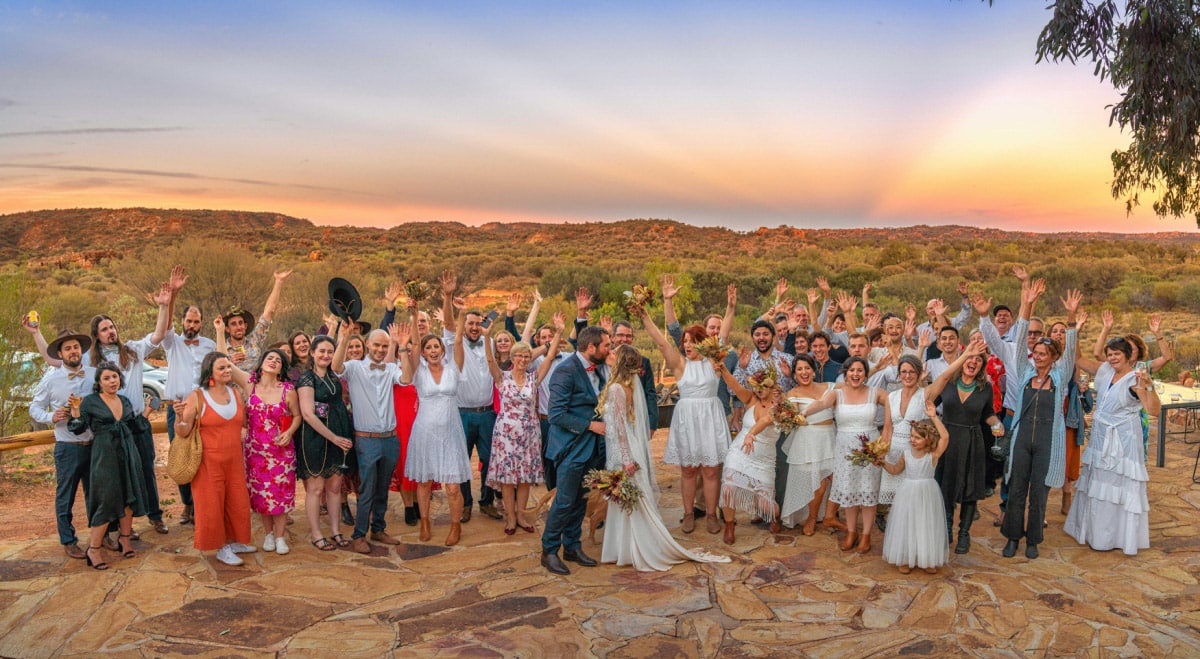
The light at twenty past six was never a surprise. Sunset on your date was a published time before you were engaged, and one person on your list reads those tables for a living. Everything else about that hour belonged to you: what was served, when the speeches ran, whether anybody was out on the grass to see it.
You could not have moved the sun. You could have moved the entrée.
Red Eclectic is Kat, a Perth wedding photographer who works almost entirely with couples doing it their own way.
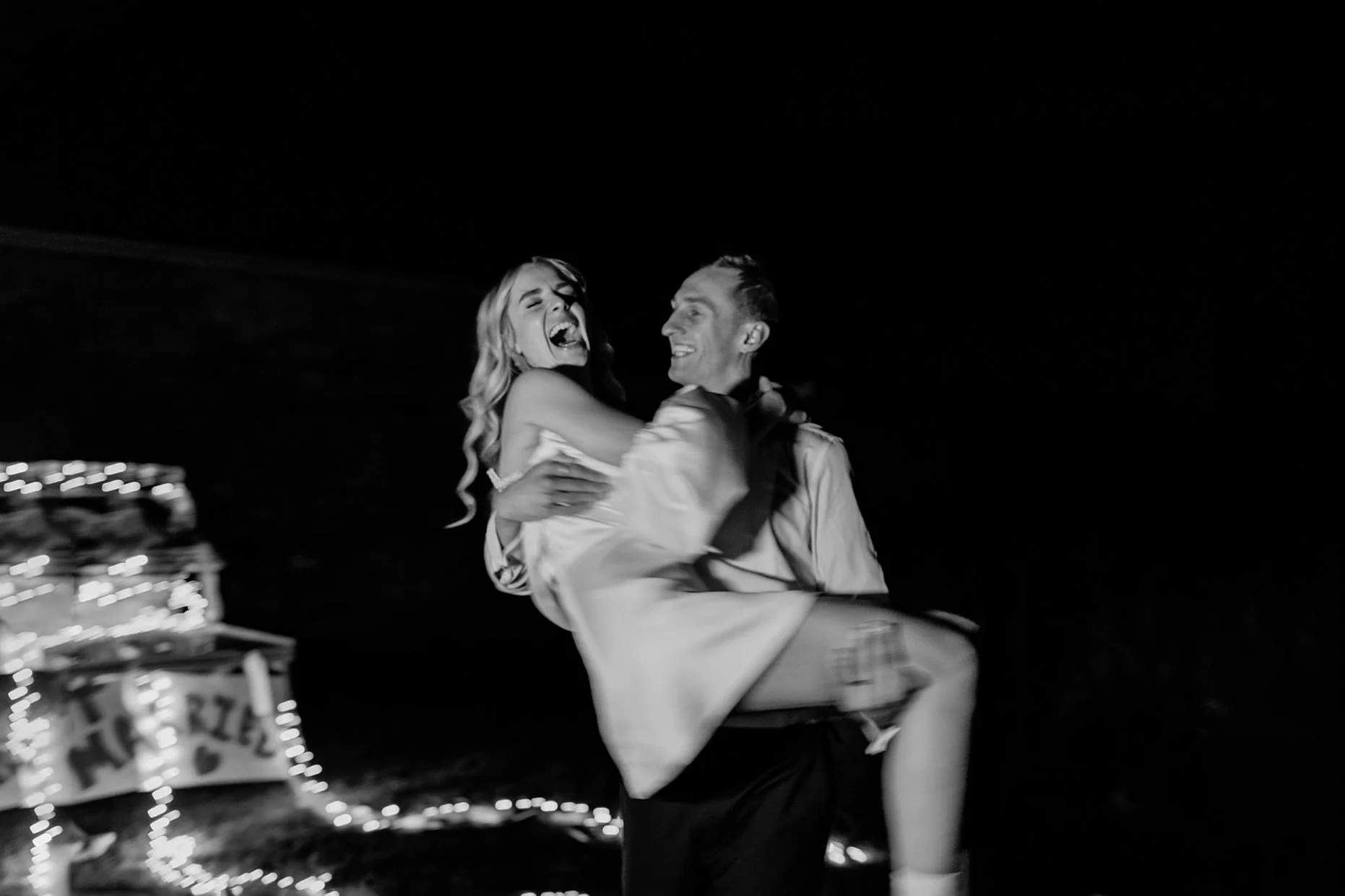
Kirsten Cunningham has photographed weddings out of Orange for close to fifteen years and more than three hundred couples.
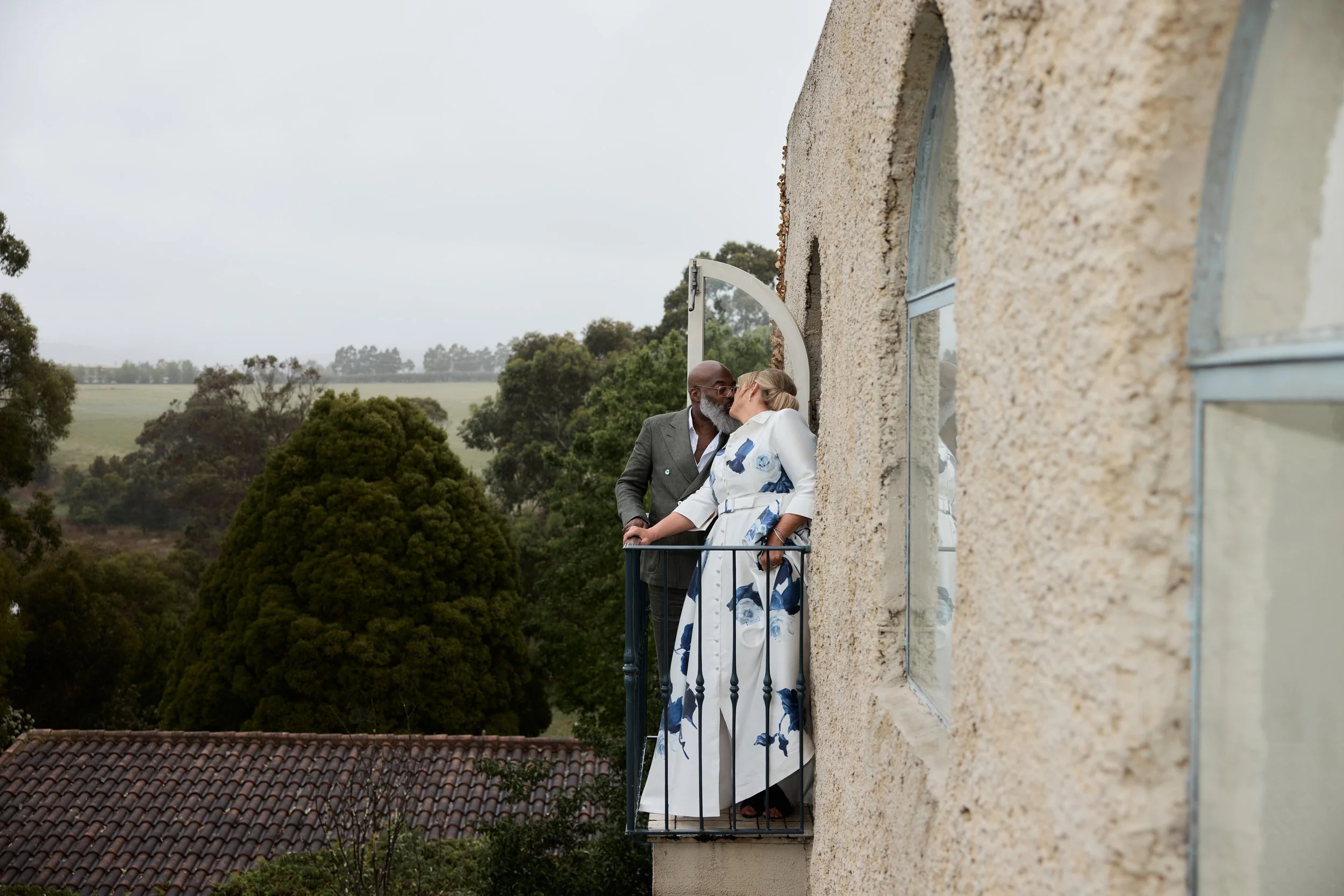
David Muir is a Hobart wedding and elopement photographer, and a former intensive care nurse.
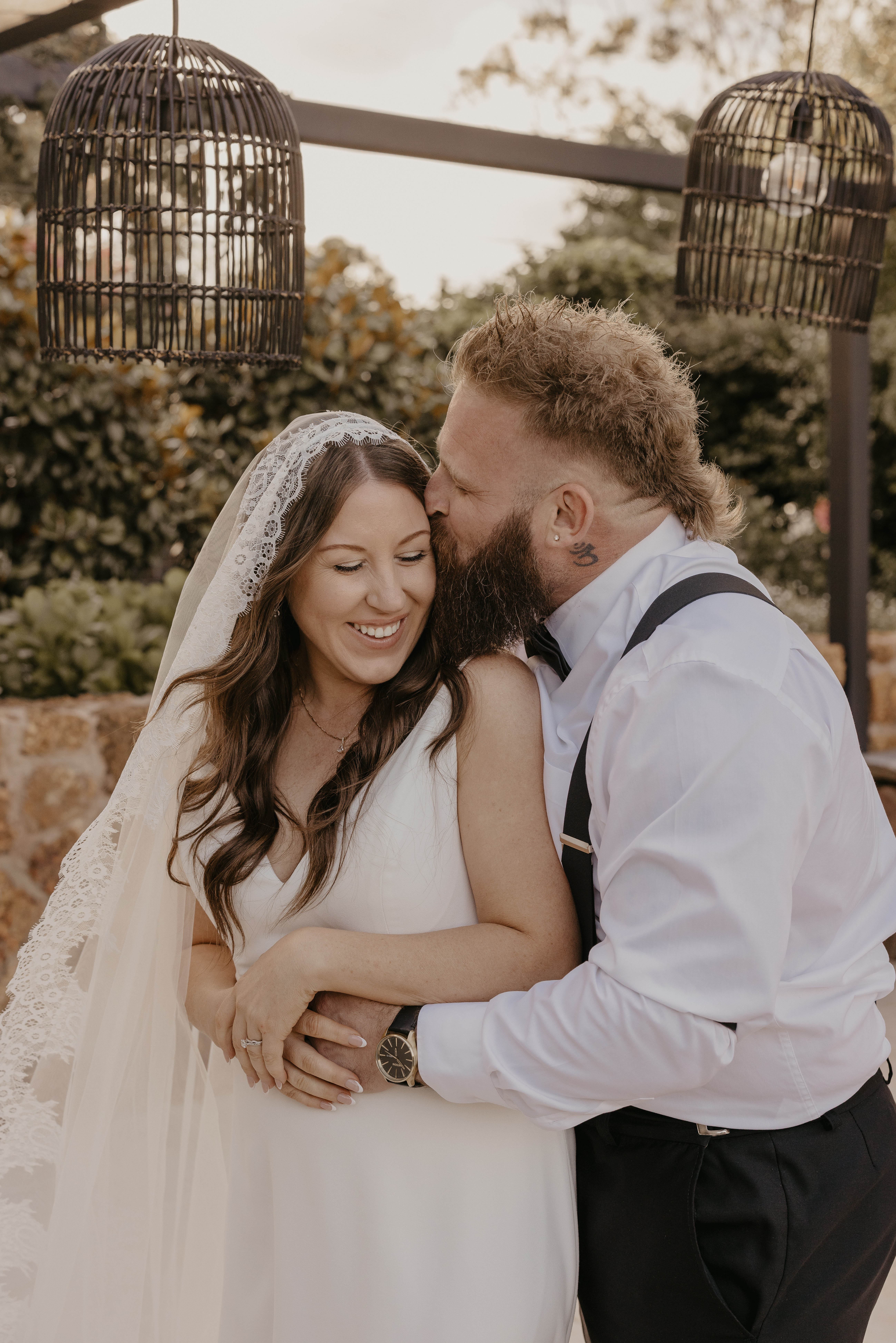
Fox & Wildling is Sally Casotti, a natural-light photographer working out of Aveley in Perth’s north-east and covering weddings across the metropolitan area.
Adam Kriedemann has photographed more than three hundred weddings in over sixteen years, working out of Brisbane across South East Queensland and down into northern…
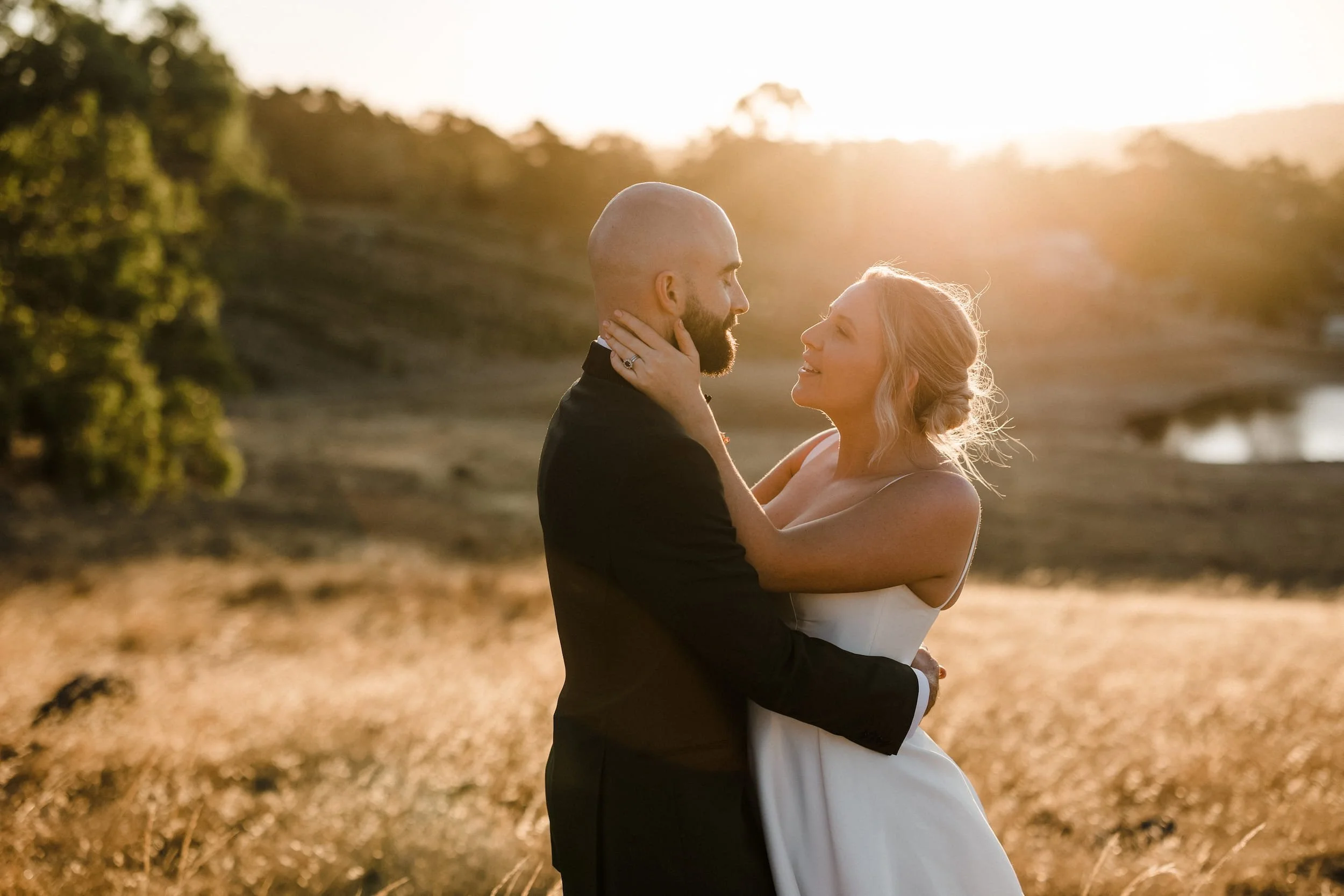
Little Car Photography is Sarah, who has photographed weddings around Adelaide and South Australia since 2011.
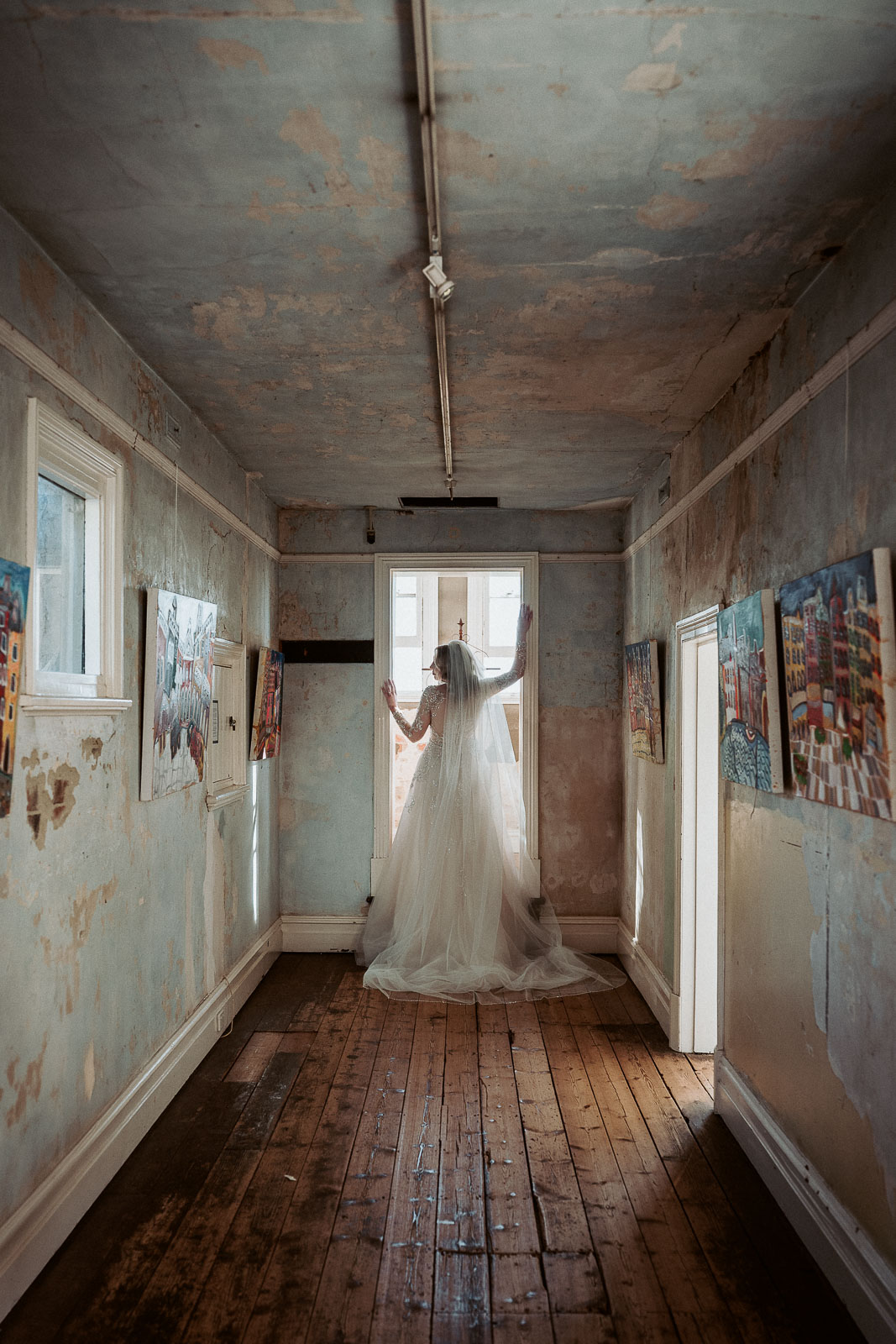
Mel Panteli photographs weddings across the Macedon Ranges and Daylesford, and her pictures have the warmth of late light and the calm of somebody who has done this…
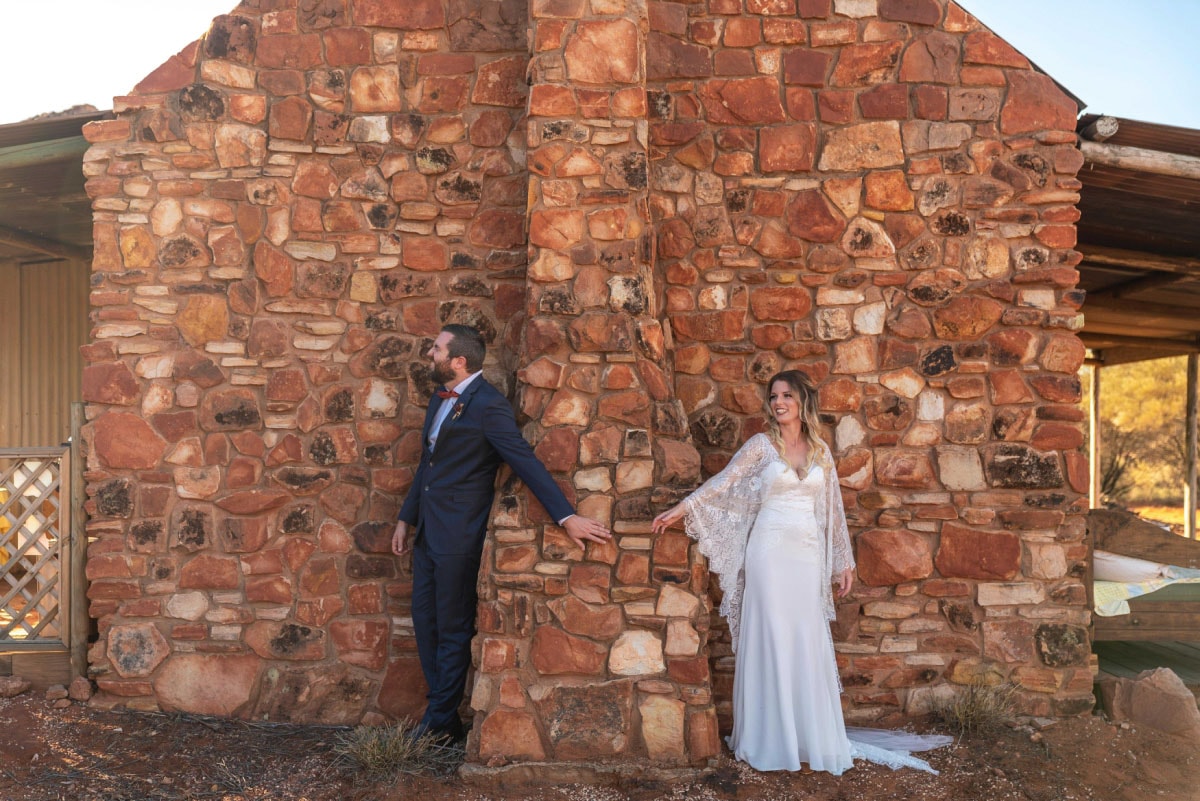
Lisa Hatz has photographed weddings out of Alice Springs since 2009 — more than two hundred of them across fifteen years.
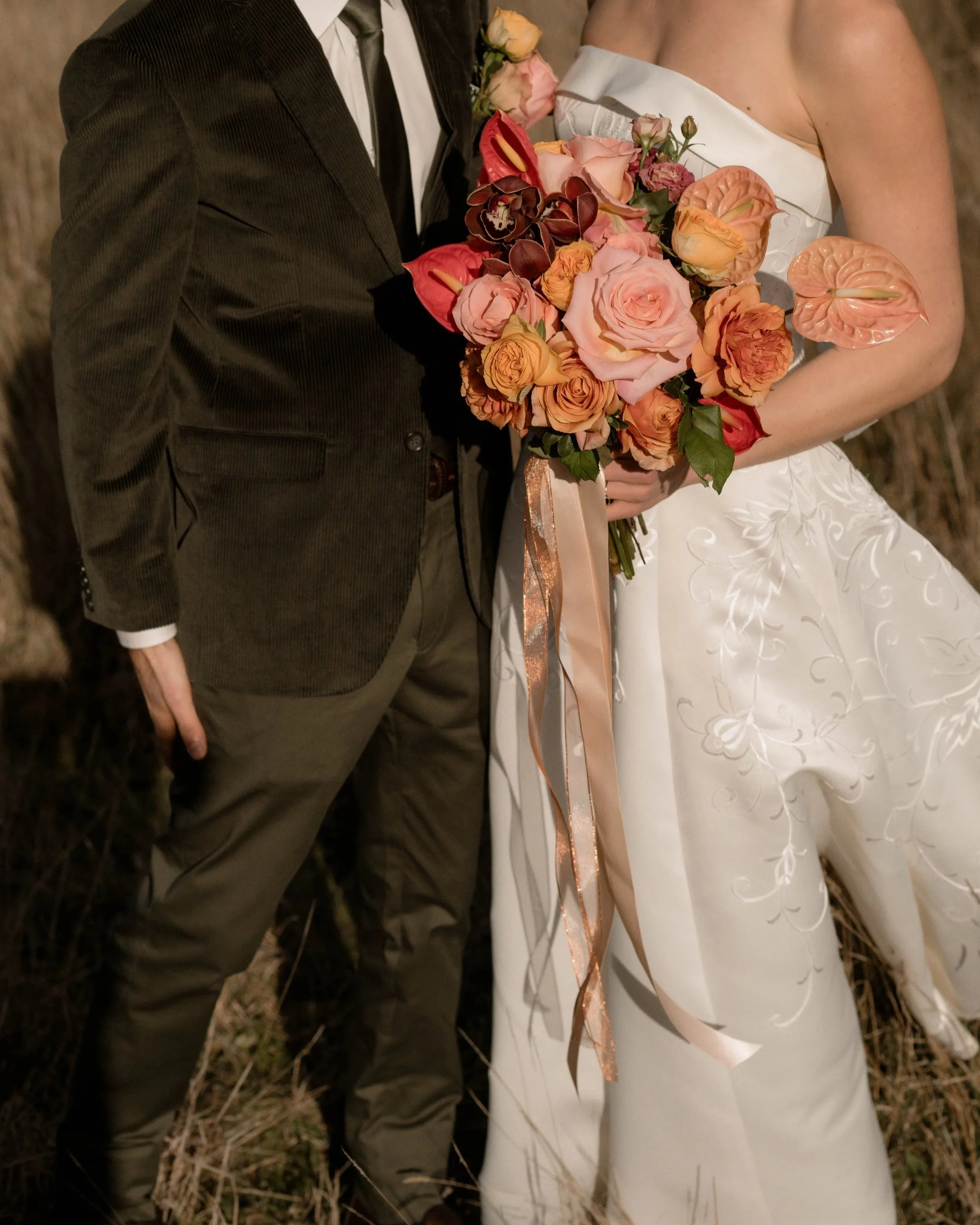
Katie Palmer is a Hobart-based wedding photographer who works almost exclusively on weddings and elopements.