

Adelaide, South Australia
Jessica Clark Photography
Jessica Clark has photographed more than four hundred weddings in fourteen years and works from Adelaide across South Australia.
Wedding Photographers
By appointment
The Journal · Cultural ceremonies
A shortlist gets built on how the pictures look. This country has one wedding memorised, and if yours runs another way, the harder question is who has already worked a day like it.
By The Little Wedding Planner Editors · · Updated 10 September 2026

Where a wedding runs on an order the family already knows, having covered one before is a harder requirement than style, and it is not a question about taste or sensitivity. It is a question about hours, addresses and money, and the answer is in the galleries rather than the price list.
At about four in the afternoon the street outside the venue fills up. There is a drum. The groom's side has thirty metres of footpath to cover and it will take the better part of an hour. That is not a delay. That is the event.
Out in front of it, walking backwards, is a woman with a camera. She knew weeks ago that the procession would eat an hour, so she is not at the door waiting for it.
Photographers get shortlisted on style. Warm or cool, film or digital, directed or left alone. That is a real choice and it is what a website sells. But if your wedding runs on an order your family already knows by heart, style is the second question. The first is whether the person holding the camera has worked a day that runs that way. The order decides how many hours you buy, how many addresses you visit, and how much of your own wedding a relative spends explaining it.
Asking whether somebody has covered a day like yours sounds like an odd question. There is one wedding this country has memorised. Two people get ready in separate rooms. A ceremony of about half an hour. Drinks while the family groups are done. Then a room, an entrance, speeches, a cake, a first dance, and twenty minutes outside when the light goes gold. Nobody calls that knowledge, because everybody has it.
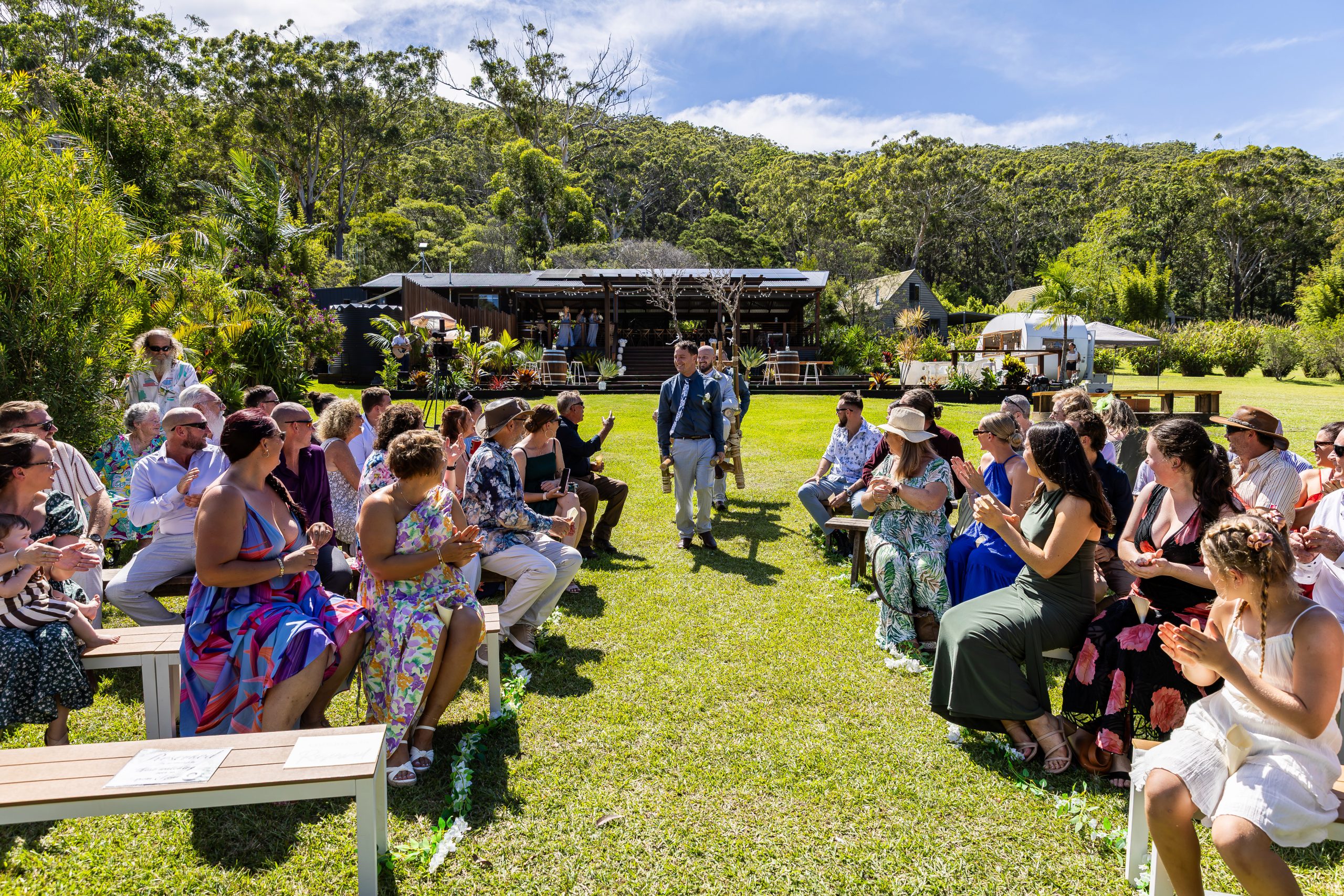
The order everybody knows is why a photographer can arrive at a farm she has never seen and be standing in the right paddock at half past six without being told. Give the day another order and nobody has that knowledge already. It has to be learned on purpose, by somebody who has worked a day like it. A ceremony can run to a clock kept by a priest rather than a coordinator. It can happen at a house at seven in the morning and at a hall that night. None of that is difficult. It is just not the schedule in anybody's head.

A documentary photographer will tell you that not knowing what comes next is the job: seeing the grandmother who is about to go four seconds before she goes, staying out of a moment she can hear coming.
The same photographer will add, fairly, that everybody's first one was somebody's wedding and the pictures were good. Someone who has not covered your ceremony is not worse at photography. Your family will explain anything she asks, and the priest would far rather be asked than not.

All of that is true. None of it is the argument.
What experience buys here is not better pictures. It is the arithmetic, and the arithmetic happens months before anybody picks up a camera. Somebody who has worked a wedding with three events in it does not hear a date. She hears a morning at one address, an afternoon at a second, an evening at a third, and two of those falling on the day before the wedding. She prices it that way in her first reply.
Somebody who has not is pricing the day she knows, and the number she sends back is honest and too small. You find out at nine that night, when the coverage you paid for runs out and the part your parents flew in for has not started.
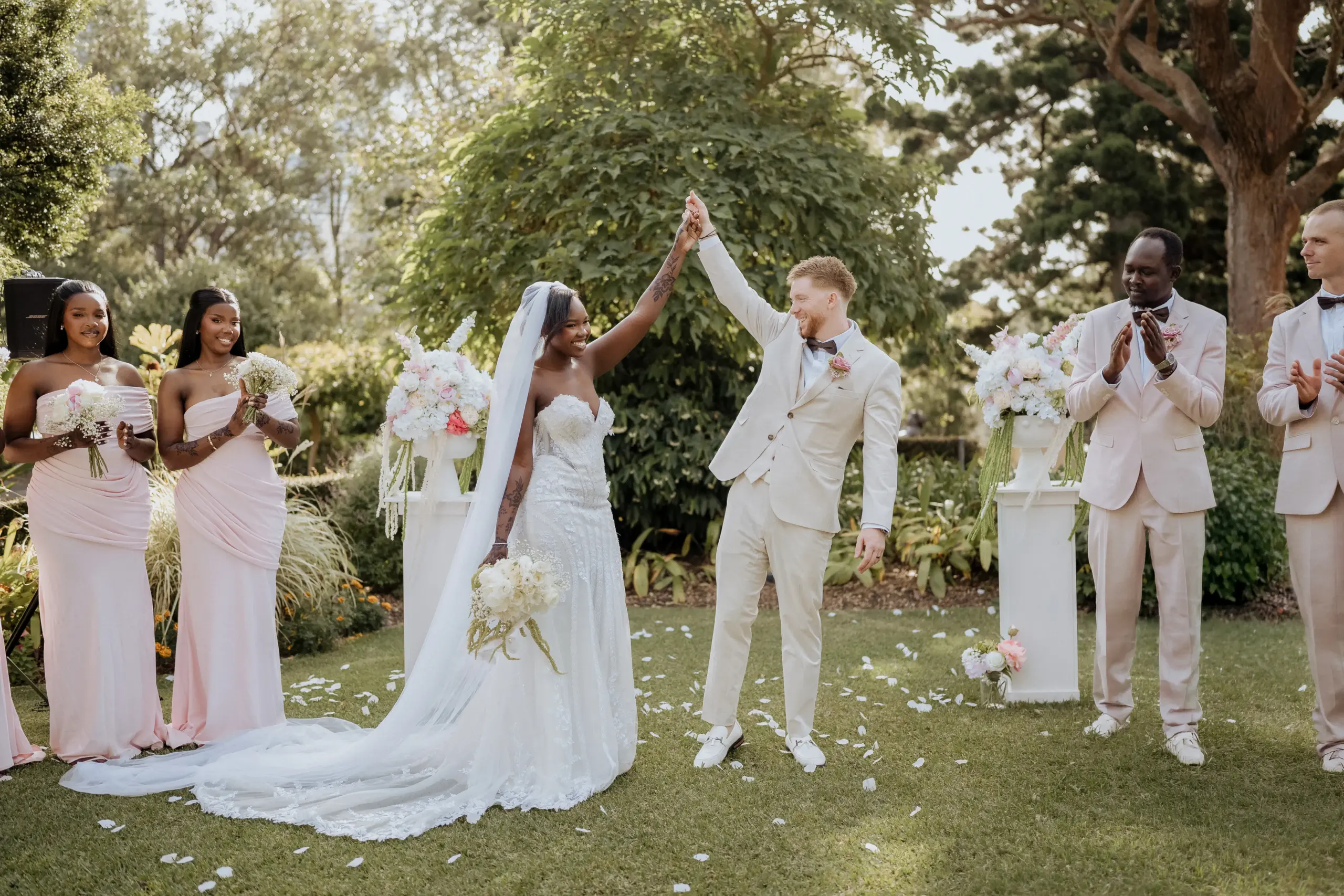
None of this is an argument for a smaller wedding. A celebration that runs for three days is a fine thing to buy. It just has to be bought in advance.
Some photographers have already done that arithmetic in the open. An extra ceremony gets a line of its own on the price list with a figure beside it, or one plain sentence says a wedding running across several events is quoted on its own. Neither is a brush-off. Neither is a surcharge either: a second ceremony is a second call-out, with its own drive, its own gear and its own week of editing. Somebody who has priced it has told you, before you enquire, that she already knows what a wedding like yours will take.

Here is the cost that never reaches an invoice. When the person with the camera does not know the order, somebody has to tell her, and that somebody is a guest at your wedding. A cousin, usually, or whoever in the family is good with strangers. Where to stand for the tea ceremony. Whether a camera is allowed in the room for that part. What time the priest wants everybody seated. Each answer takes forty seconds, and they keep coming all afternoon.
The cousin agreed to none of that. She came to a wedding, and by the middle of the afternoon she is running production with a plate of food going cold on a table she has not sat down at. Then the questions stop going through her and come to you, and you answer one about logistics while the room watches.
Somebody who has worked a day like it asked you months ago, by email, when you had time to answer. She knows not to stand between you and the people you are serving during the tea ceremony.
How do you tell who has covered a wedding like yours? A page named for your ceremony takes an afternoon to build, and it is advertising rather than a record of a day anybody worked. A services list is better, because somebody has had to put a price on the thing. Neither shows you a wedding.
A gallery shows you one, and a gallery cannot be assembled out of nothing. Ask to see one whole wedding of the kind you are having, start to finish, instead of a grid of highlights. A grid is the six best frames of somebody's best hour. A whole gallery is closer to a timesheet: whether they were in the house that morning, whether they were still upright at eleven at night, what they made of a room lit for a ceremony rather than for them.

Then ask for a second one by the same photographer that ran on a different order. Side by side, those two say something no style page can. Here is somebody who can work a day that keeps moving between addresses, and a day that stands still inside one building for an hour and asks only to be watched properly.

None of that comes off a page of adjectives about light. It comes in ten minutes with a gallery open, looking for the frames nobody would think to take unless they already knew what was next.
The drummers are thirty metres from the door and it is going to take an hour. Somebody is out in front of them, walking backwards.
Jessica Clark has photographed more than four hundred weddings in fourteen years and works from Adelaide across South Australia.

Norman Yap photographs weddings across Perth and Western Australia and leads a small studio doing it.
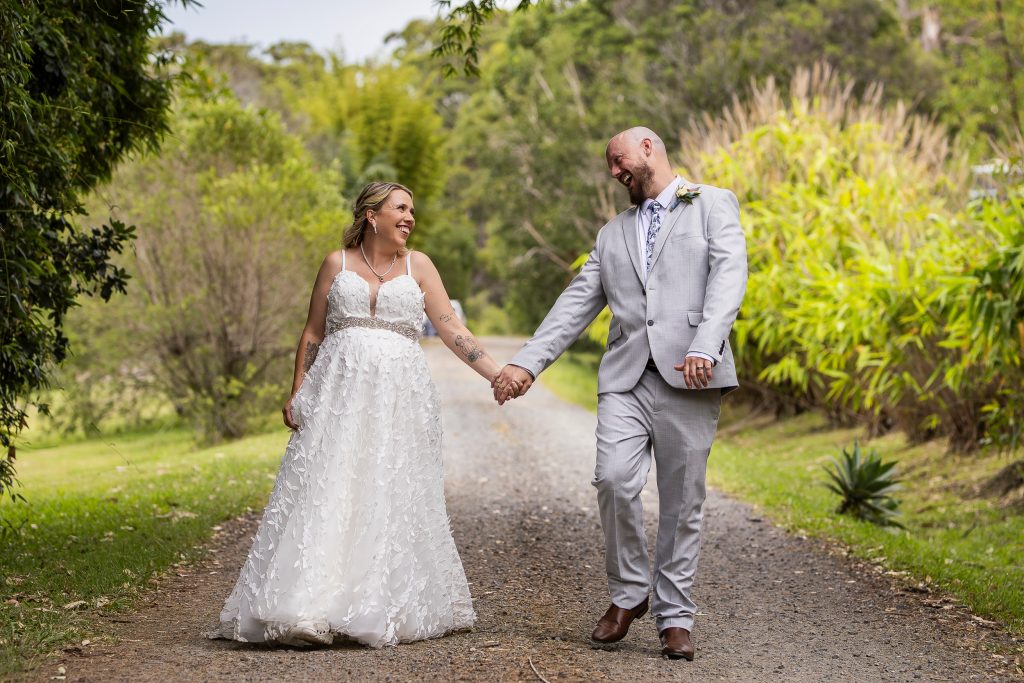
David Cadden photographs weddings across the Mid North Coast from his base at Port Macquarie.
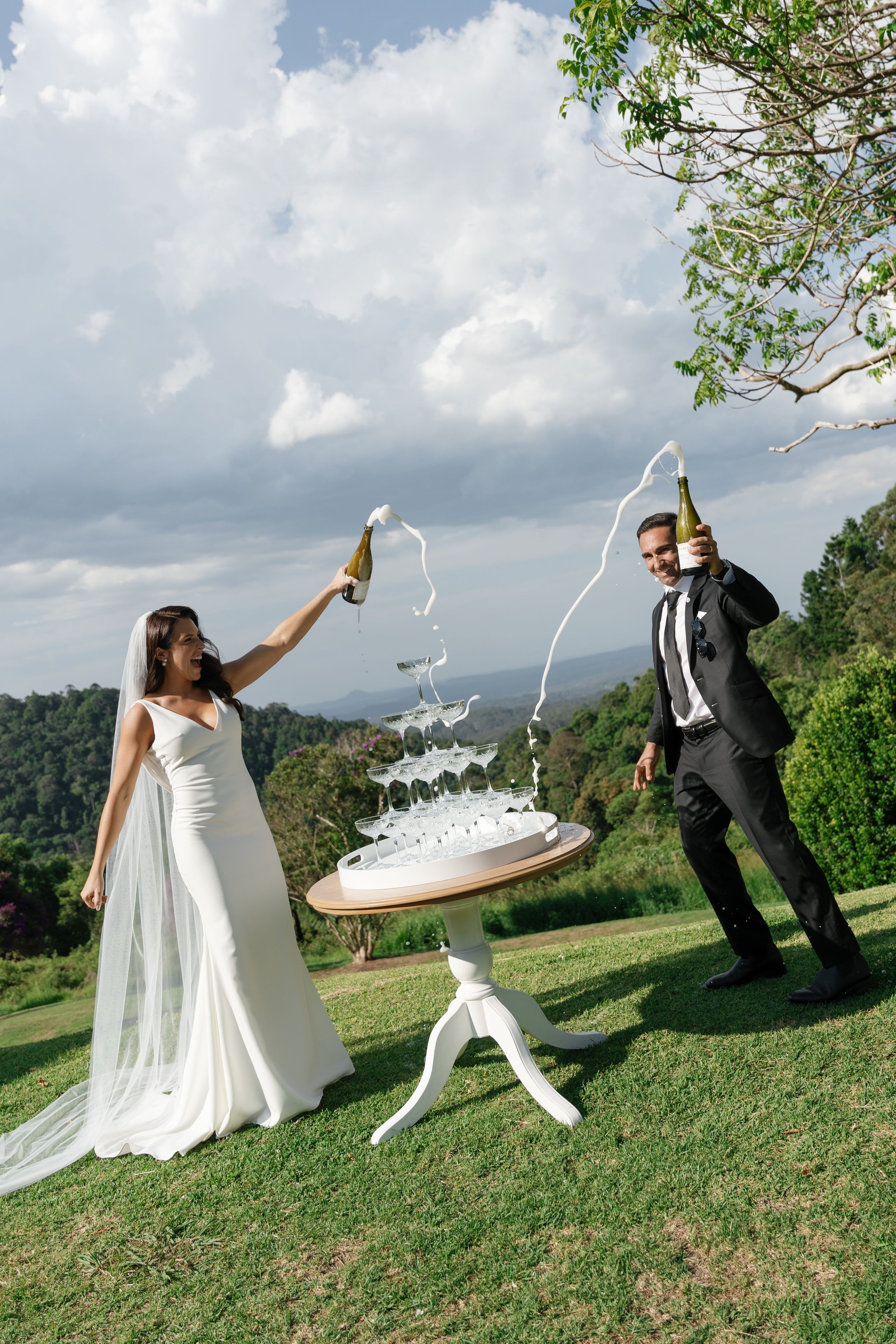
Wallflower Weddings is a Gold Coast photography and film team led by creative director Brittany Celine, with more than ten years in the wedding industry behind it.
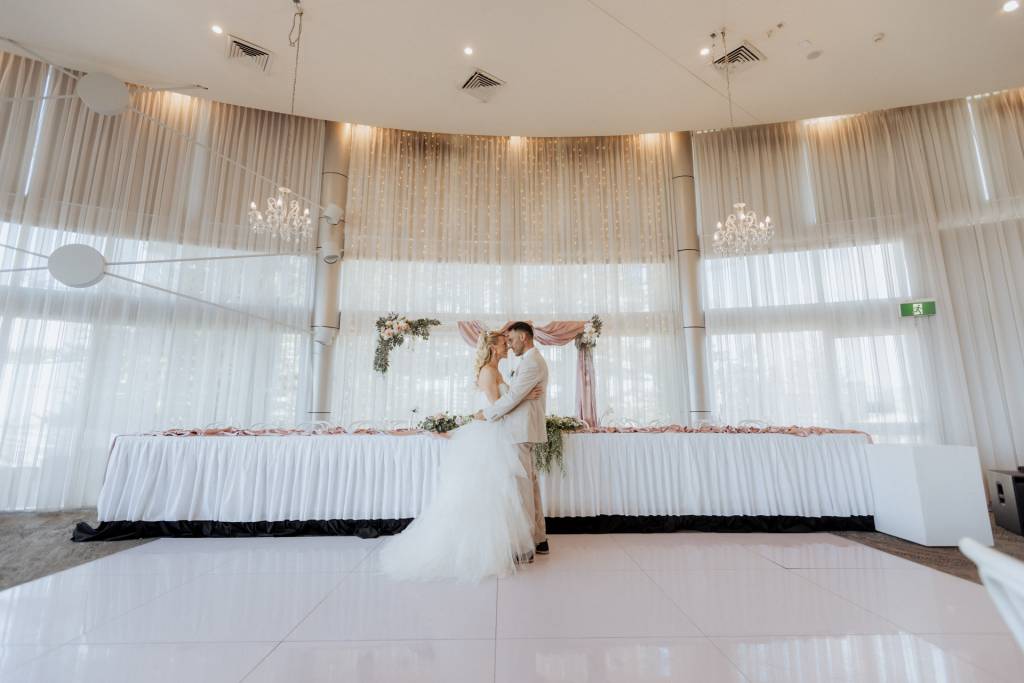
RISS is a Sydney team that runs photography and cinematography side by side, out of an office at Macquarie Links in the city’s south-west.

Dennis Tan photographs weddings from Churchlands, across Perth, the Swan Valley and the South West.

Lost In Love is a Melbourne studio working out of Windsor, serving couples in luxury wedding destinations since 2015 and bringing over fifteen years of experience.

Nic started photographing in 2011 while working as an ICU nurse, and went full-time in 2015.

Xtraordinary Photos & Video is a wedding photography and film studio working out of Five Dock in Sydney’s inner west, with a showroom in nearby Leichhardt where…
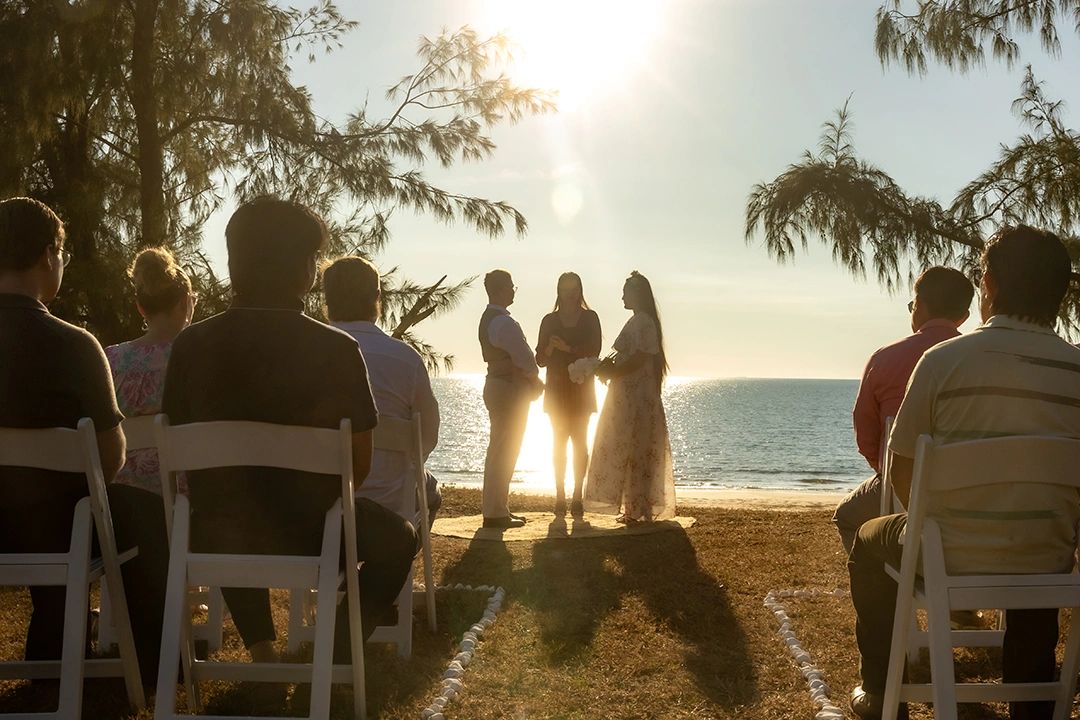
Rex Yu is a Darwin-based wedding photographer who has been shooting since 2012 and has photographed more than forty weddings across Asia and Australia.