Ask What Happens If You Have to Move the Date
Everyone tells you to ask. The businesses that answer in public answer with a ladder of dates, and the ladder is what you are signing.
Our first edition, and most of it comes down to one habit: the wedding trade is very good at telling you what a day will look like and very bad at telling you what it will cost. Where the money actually goes, which rooms are worth it, and the questions we would ask before signing anything.
Everyone tells you to ask. The businesses that answer in public answer with a ladder of dates, and the ladder is what you are signing.
Wheelchair accessible is a tick box, not a route. The best venue pages name the one part of the property a wheelchair cannot reach, and that is the sentence to look for.
165 photographers here say in weeks how long you will wait for the gallery. The answer runs from a fortnight to about four months, and both ends are somebody doing the job properly.
Your venue sleeps ten. You have invited a hundred and thirty. That is a social problem before it is a logistical one, and nobody at the venue can solve it for you.
It is easy to get a venue to say it caters for every dietary requirement. It is much harder to get it in writing, against a dish.
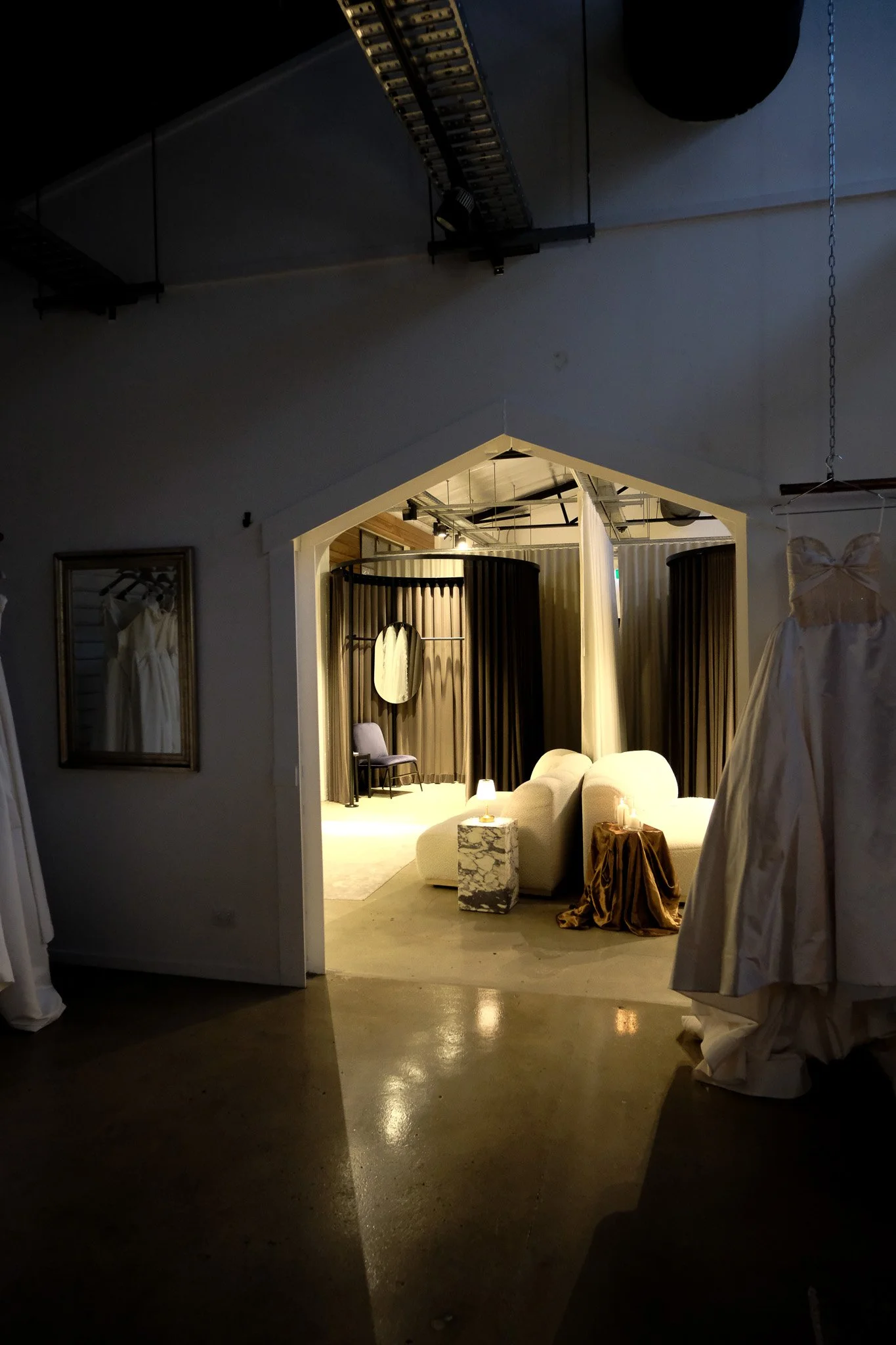
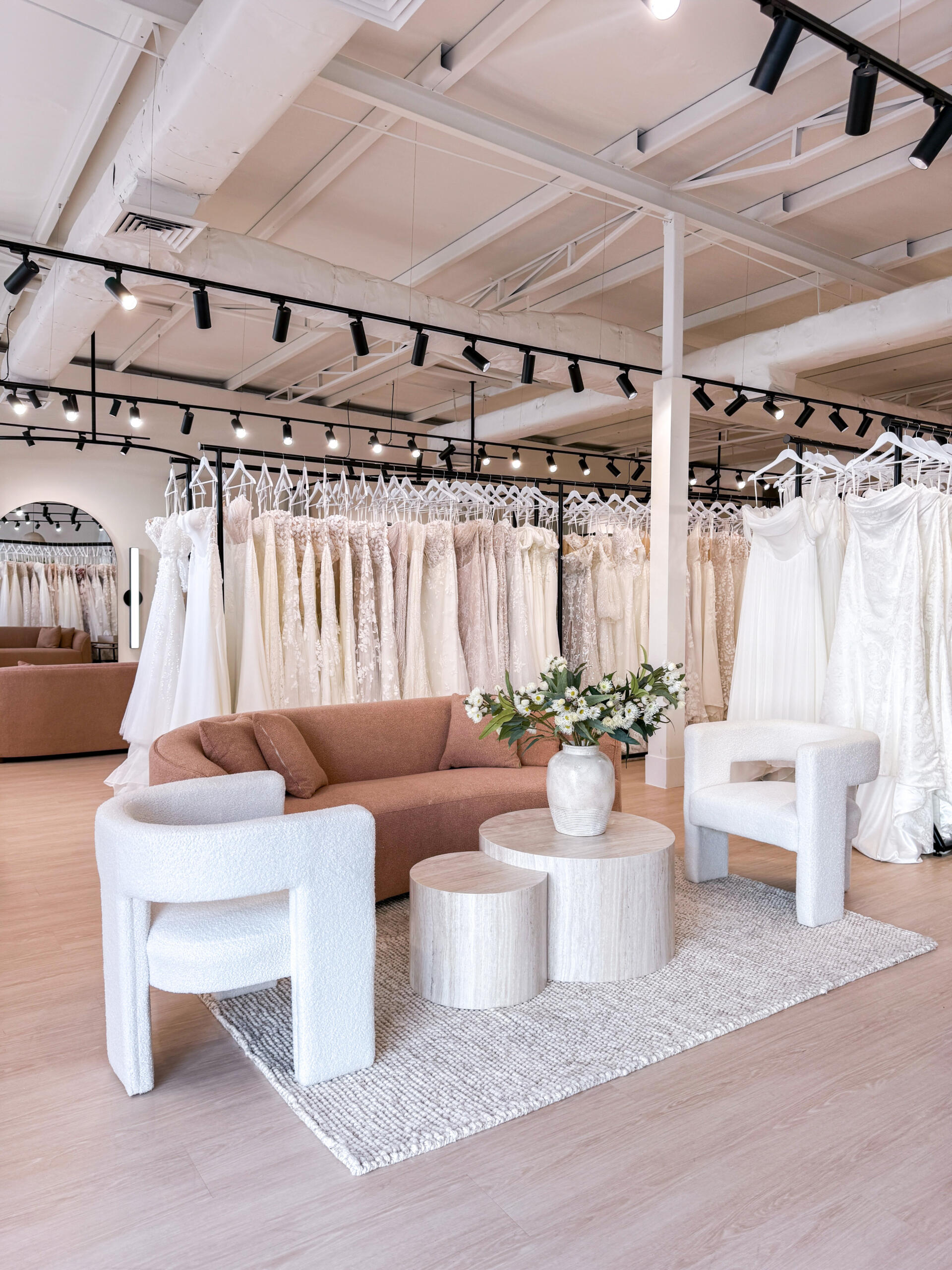
Most bridal shops sell other people's gowns. Forty seven put one name on the rail and it is their own. Only one of the two has the person who can change a neckline standing in the room.
Every other supplier is asking whether your date is free. The dress is asking whether it can be made in time.
You are booking two rooms. You have only looked at one of them.
Every floor plan is a theory of what a wedding is for.
You spent nine months choosing a room and never once listened to it.
The midweek discount is real and it is published. It just starts on the Monday, not the Friday.
Two mood boards, and neither of them answers the question that costs money: how much of this room do you have to bring?
Most of the venues here will not print a number. Pricing one wedding at a time is a reason to publish a range, not a reason to publish nothing. The ones who publish anyway are doing you a favour.
Three of the objections to a July wedding are already answered in writing, by the people you would be buying from. The fourth one is at the family dinner, and it is the one that stops people.
The flowers a florist sells are dead in five days, and somebody has to carry the bin out. That is why they are where you can check an environmental claim.
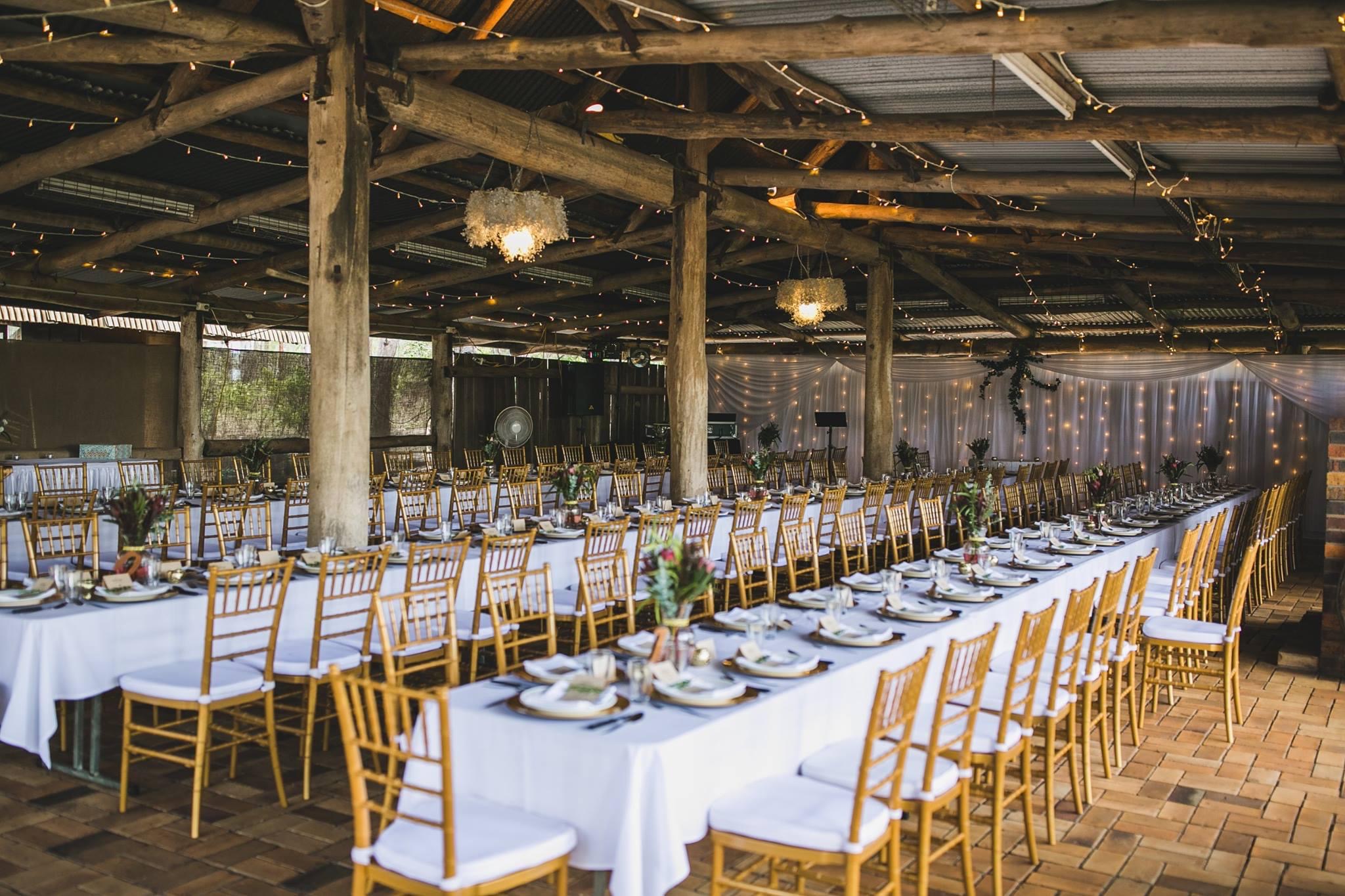
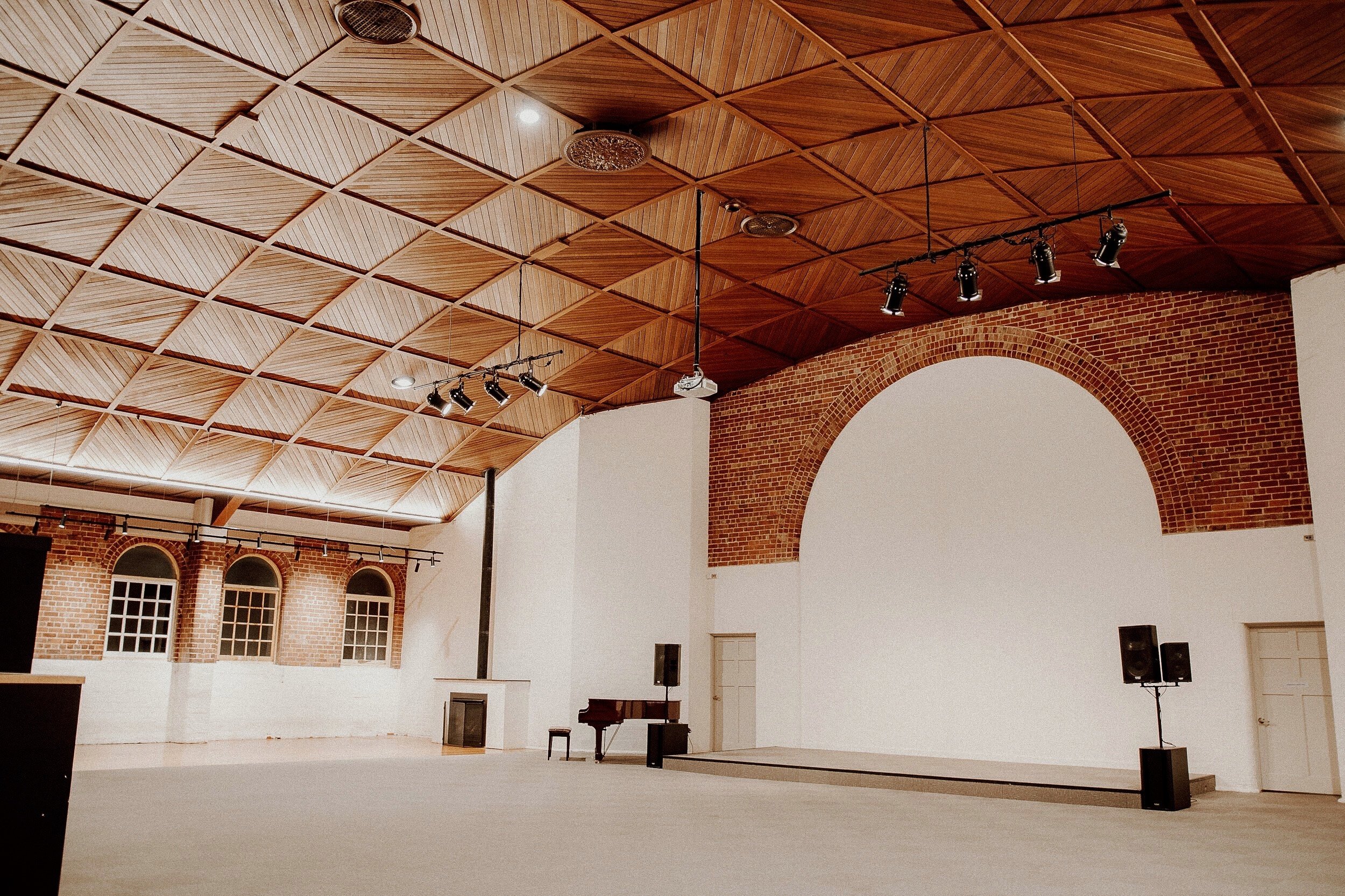
The empty warehouse is cheaper than the all-inclusive venue right up until you price the chairs.
Everyone pictures a cliff. The best small wedding in Australia is on a Tuesday in a city you already live in.
Asking eighty people to buy a flight is a decision you make on their behalf and they pay for.
Cut the flowers, argue about the bar, hunt a cheaper photographer. None of it moves the number the way twenty names do.
One median stretched across two hour ceremony shoots and nine hour wedding days. It describes neither.
In the Yarra, the Hunter and the Southern Highlands, every wedding florist is driving in. The drive is real work, somebody pays for it, and it is rarely a line you can see.
Easy to picture, hard to price. The small wedding is its own product, and some rooms have already built it.
A bridal shop has two size numbers. Only one of them decides whether the gown does up at the back.
The florists here who publish a month put the Australian peony in spring, most often November. Ask what the other months buy.