
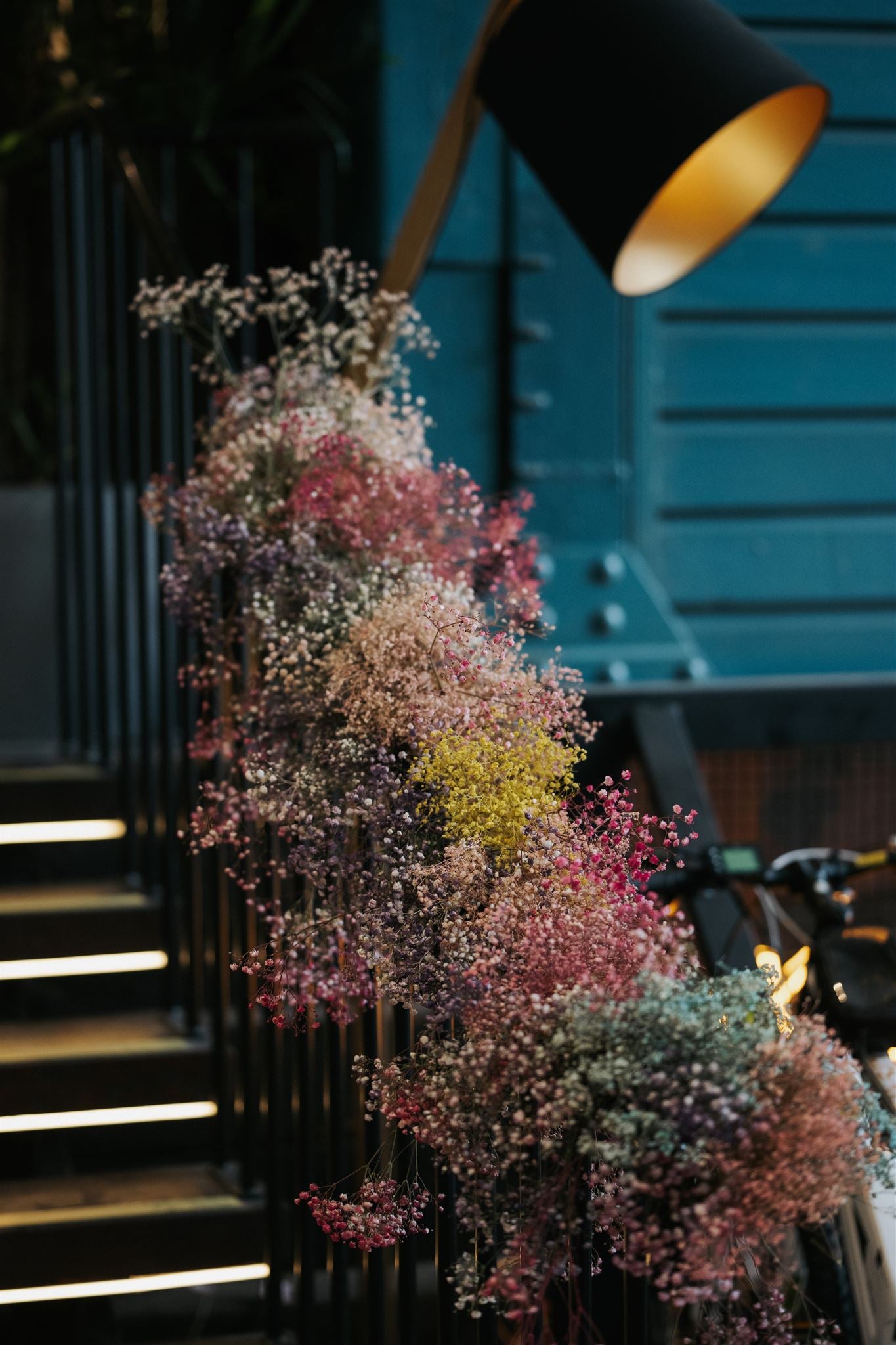
Sydney, New South Wales
Lime Tree Bower started in Helen’s apartment, moved to a warehouse, and is now a shop and studio on Sailors Bay Road in Northbridge with a team behind it.
Wedding Florists
Visit in person
The Journal · Climate and logistics
In a few wedding regions no florist lives close enough to walk in. The flowers get driven in, the drive is real work, and somebody pays for it.
By The Little Wedding Planner Editors · · Updated 10 September 2026

In most of this country a couple can hire a florist who lives in the region the wedding is in. In a few regions florists come in to work but none of them lives there, and they are places people choose on purpose, for the view. Then the van, the buckets and the hours of setting up all start somewhere else. That travel is real work, and because it is quoted job by job rather than published, it reaches you buried inside a total with no seams. Ask where the van starts.
Somewhere before dawn on your wedding day, a van you will never see is being loaded outside a shop you have never been to. Buckets wedged into the footwell. Wire, foam and secateurs in a milk crate. A trestle table on top, because nobody drives that far on the assumption that one will be waiting.
You booked a vineyard for what the light does to the rows at six in the evening. That is a good reason to book a vineyard, and I would book one too. The flowers in that photograph were made a long way from those rows, and somebody was paid to bring them out. It is real work, it is on your invoice, and it is almost never a line you can point at.

In most of this country a couple can hire a florist who lives in the region the wedding is in. She knows the road, she has been to the venue, and getting there is not a job in itself.
Then there are the few regions where nobody does. Florists work there. None of them lives there. Every arrangement that turns up on the day was made somewhere else and driven in, and nothing you sign at the venue will tell you so.
A florist has to earn a living in the fifty weeks that are not your wedding, and she earns it from people who can walk in the door and order flowers for a birthday, a funeral, a hospital room. Nobody opens a shop where the customers are grapes.
So the florists publish where they are. The venues publish what they cost. The drive is in neither document, and so nobody has to tell you about it.
You do, and you will almost never see it happen. Hours on the road with buckets of water sliding about in the back. A morning building things on grass. Then the same road home after the pack down, in the dark, with the empty vases. As a delivery charge it looks steep. As fuel, a vehicle and somebody's whole Saturday, it looks like what it is.
The florist is right to charge for that, and right not to print a price. Travel gets quoted job by job: how far, what date, how much has to be carried, whether anybody has to sleep near the venue. One flat rate would be wrong for nearly every job you put it against. So it goes into the quote with everything else, and the quote arrives without seams.
A quote without seams is where it costs you. By the time the drive reaches you it is sitting underneath a venue minimum, and a venue minimum is a far bigger number. It is how a room stops itself being taken for a party of forty. But beside it the travel looks like a rounding error, and a rounding error is the one thing nobody queries.
The drive is the obvious cost. The one nobody mentions is the flower calendar, and it was written for somewhere else.
Some florists publish a seasonal guide, and the good ones are careful: what is out in each season, sometimes down to the half of the month. They give it away free and it is genuinely useful. It is also written for the place the florist stands in, because what is out depends on the weather where she is, and she has never claimed otherwise.

Nobody has written that guide for a region with no florist living in it. So the question is not what is in season. It is what is in season where you are getting married, which is not the same place as where your flowers are being made. Ask what month your flowers actually grow in, then ask which place the answer is describing.
In some wine regions the florist is already there: a shop you can walk into between cellar doors, or somebody buying from a grower a few paddocks away and working to when he picks rather than to when a truck arrives.
What that buys is not fewer kilometres and it is not a cheaper quote. It is a florist for whom your venue is not a trip. She has been there in February and in July. She knows which gate the van fits through and what the afternoon wind does on that particular lawn. When something goes wrong at four o'clock she is down the road rather than out on a highway.

Closeness like that is rare, and where you find it, it is a person or two rather than an industry. On paper, the difference between a region where no florist lives and one where one or two do looks small. On the morning it is the whole thing.
The florist who itemises her travel and the florist who folds it into a total are not the honest one and the dodgy one. They are quoting you the same work. The difference is how early you get to ask about it.
Where does the van start, and what time does it leave? Most of the other answers live inside that one: what the travel costs, who is driving, whether anybody comes back at the end of the night for the vases. Put it in the first message, while the drive is still a number of its own and not a rounding error at the foot of a quote you have already fallen for.
The vineyard is local. The cellar door is local. The view is extremely local. The flowers are not, and the van carrying them was loaded in the dark by somebody who was already at work while you were asleep.
Lime Tree Bower started in Helen’s apartment, moved to a warehouse, and is now a shop and studio on Sailors Bay Road in Northbridge with a team behind it.
Joanne Flowers of Manuka has been trading in Canberra for nearly 80 years — the shop opened before most of the suburbs around it, and it has never closed.

Rosella Floral Designs is a Sydney wedding and event florist and stylist run by lead designer Anvara, who has been designing for couples and brands for over twelve…
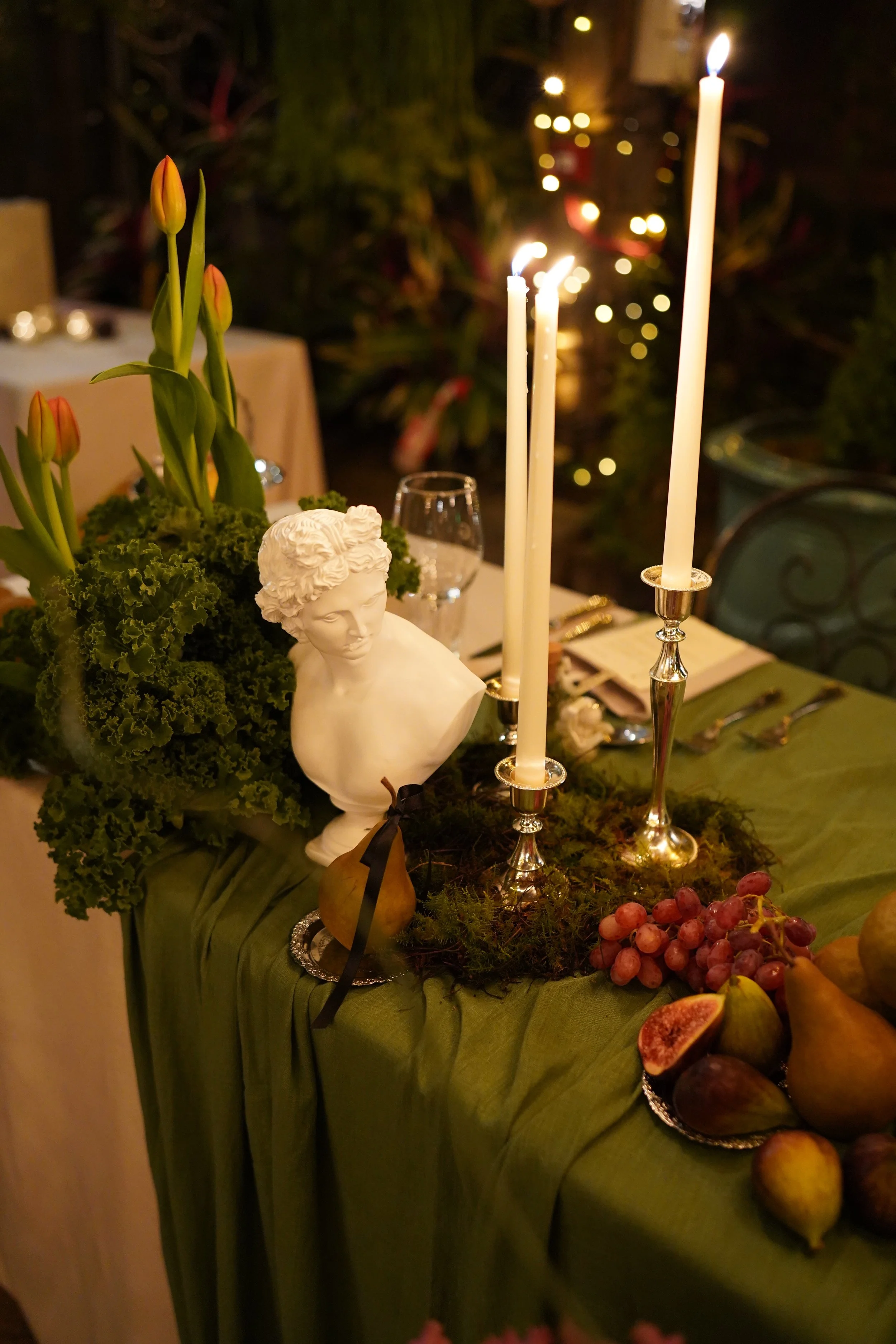
Biophilia Blooms is a boutique wedding and event floral studio in Darlinghurst, run by Josie Marc with more than seven years behind it.

Urban Jungle is a Canberra florist with a shop in the O’Connor shops, and weddings sit alongside a busy daily flower run rather than replacing it.
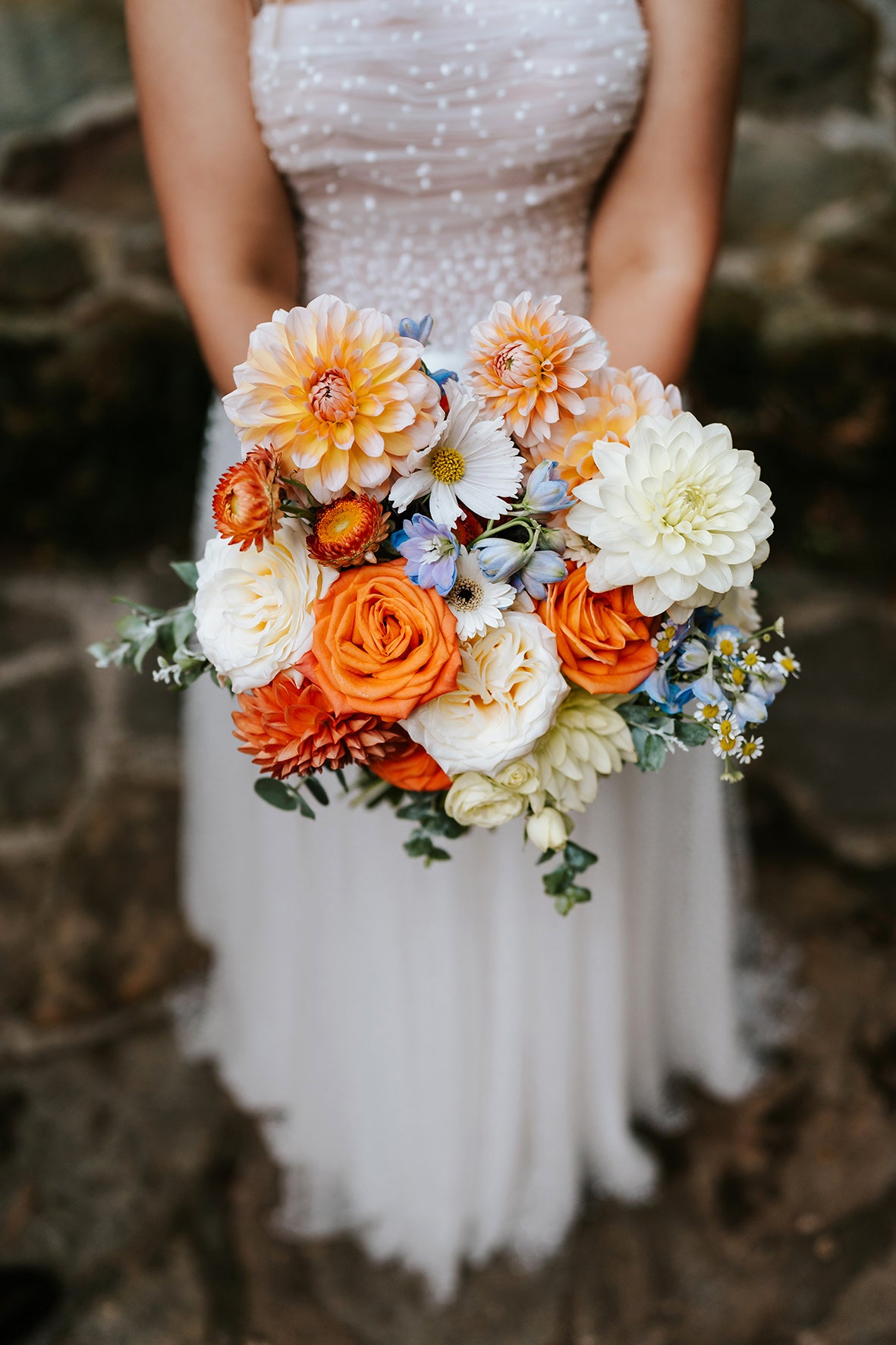
Twig & Bo is an award-winning shop florist in Woonona, north of Wollongong, founded by florist and stylist Shelley Davies and run with a team alongside her.

Ruby Oak Floristry is a mother-and-daughter business run by Christine and Adele, who opened their first shop at Fairy Meadow in January 2022 and added a second at…

Film & Foliage is a wedding floral studio based in Newcastle, run by Ashlee Wheelhouse - Ash to her couples - with more than thirteen years and seven hundred…

Flower Puff Girl is a Central Coast wedding and event studio with an unusually wide reach — it publishes a dedicated service page for fourteen regions from Batemans…
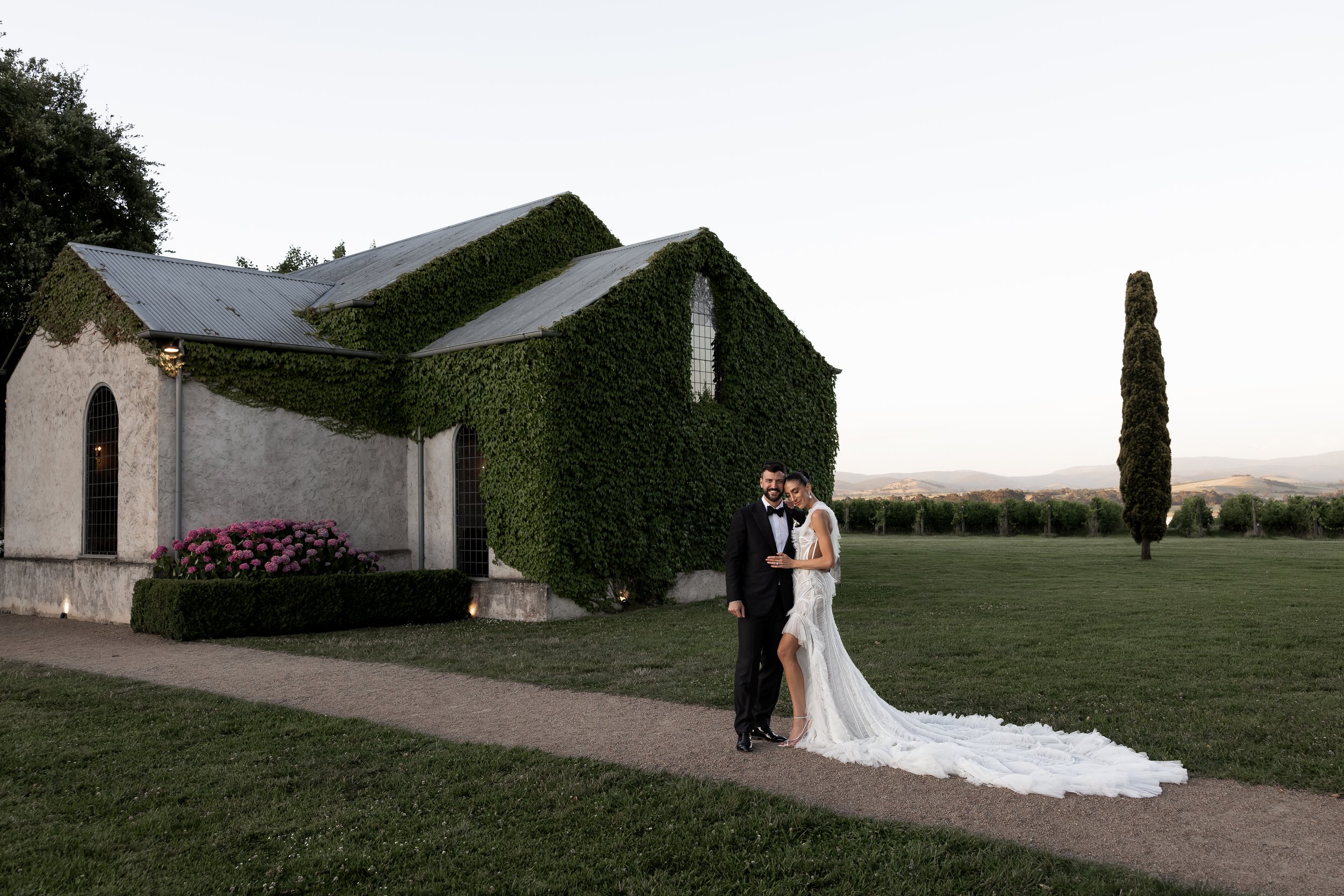
Stones of the Yarra Valley is the region’s icon — an ivy-swallowed 1868 barn, a luminous chapel and vine rows running to the Great Dividing Range at Coldstream…
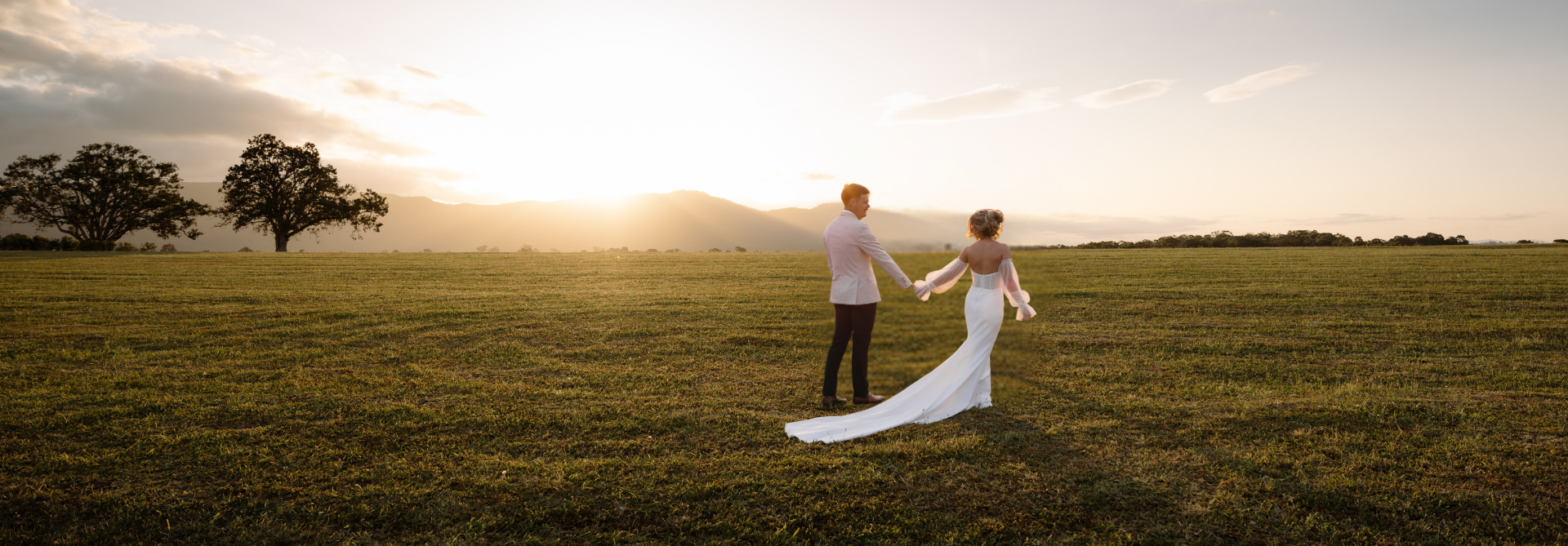
Bimbadgen is a Hunter Valley institution — the Palmers Lane vineyard, the tower-topped Estate winery of A Day on the Green fame, and Emma’s Cottage, with sixty…

Vintage Bloom Company is Kasey Lynch’s barn shop on Main Road in McLaren Vale, working from a family-run boutique flower farm at Willunga.

Fera Flores is Georgie’s studio-based floral practice at Victor Harbor on the Fleurieu Peninsula, working across the peninsula, McLaren Vale, the Adelaide Hills and…
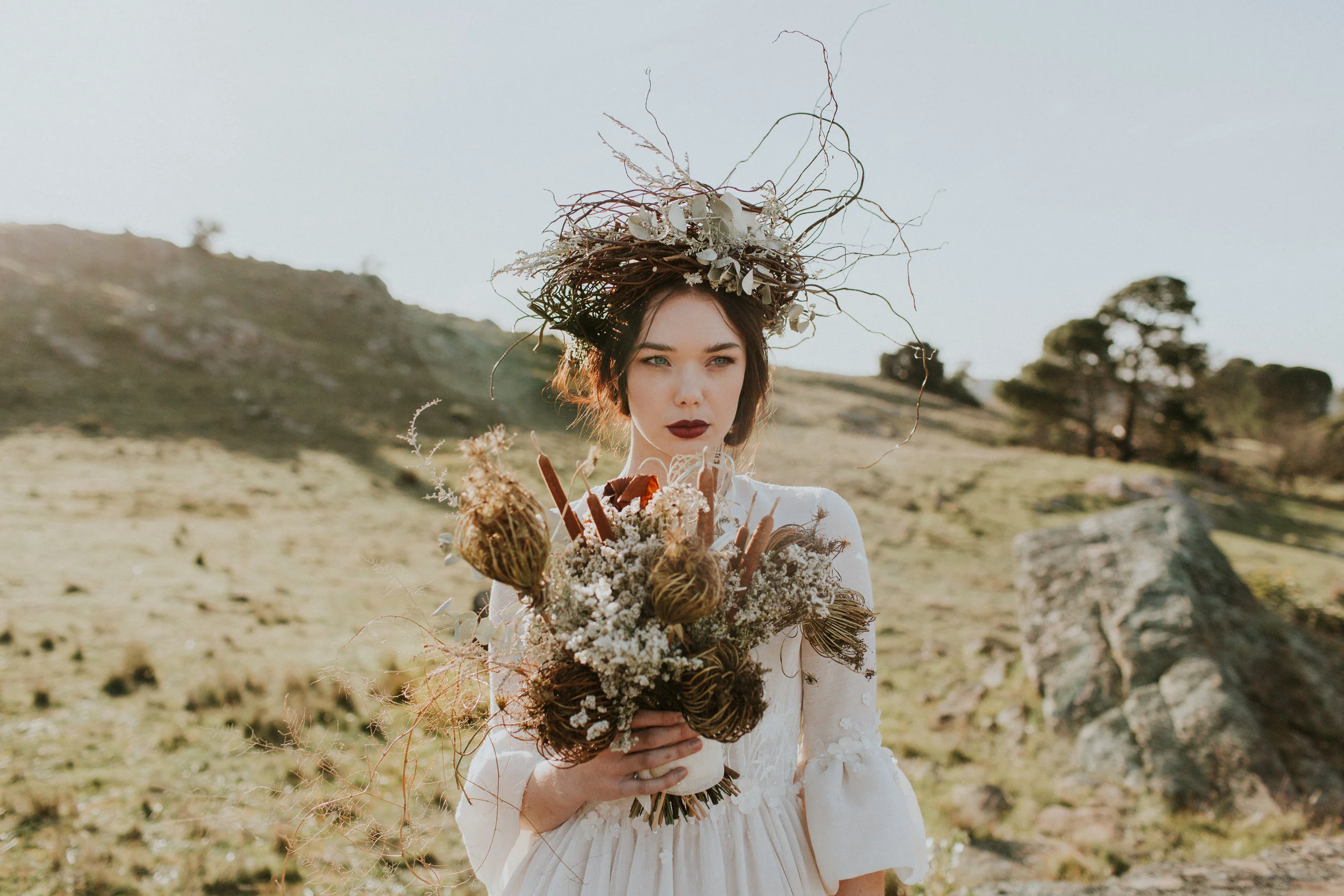
Fleur Social is a flower shop and coffee bar on Murray Street in Nuriootpa, run by Sara and her husband Ryan with Rachel, Tessa and Kelly.

Mudgee Monkey was started in 2015 by Dianne and Colin, who say plainly that they built it “rather than bother with retirement”.

Northern Tasmania’s longest-running florist under a newer name. The shop traded as Newstead Flowers for more than thirty years before rebranding to Banksia Florist…
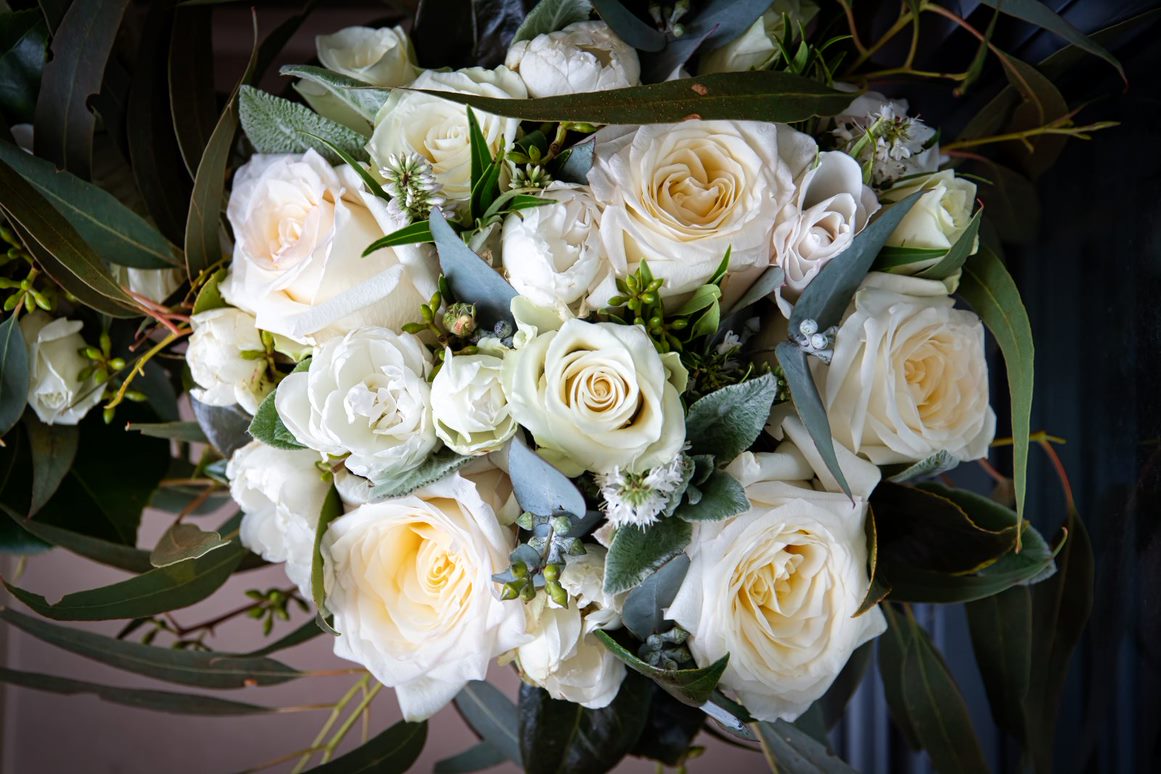
Bathurst Flower Farm Florist is Janelle, a qualified florist who has been making wedding flowers in the Central West since 1995 — twenty-nine years, and a…

Bespoke Country Weddings works from a store on March Street in Orange, about three and a half hours west of Sydney, and has been flowering and styling Central West…
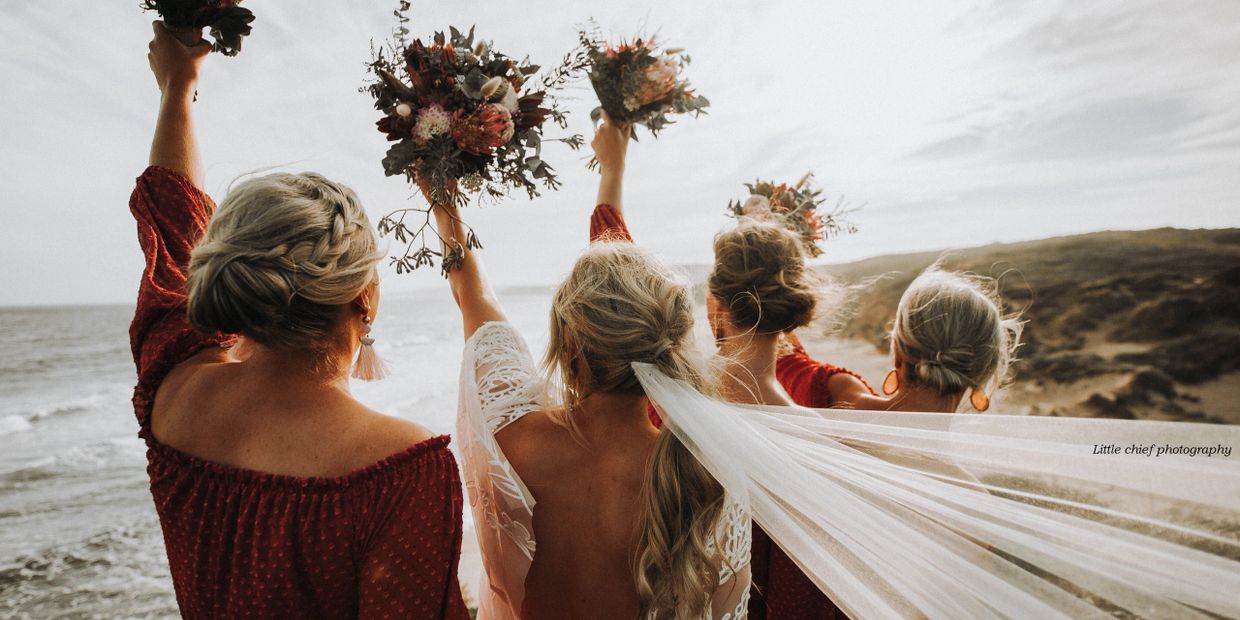
Birregurra Wildflowers is a flower farm before it is a florist. Established in 2018, it grows and arranges its own blooms on a property seven kilometres from…