
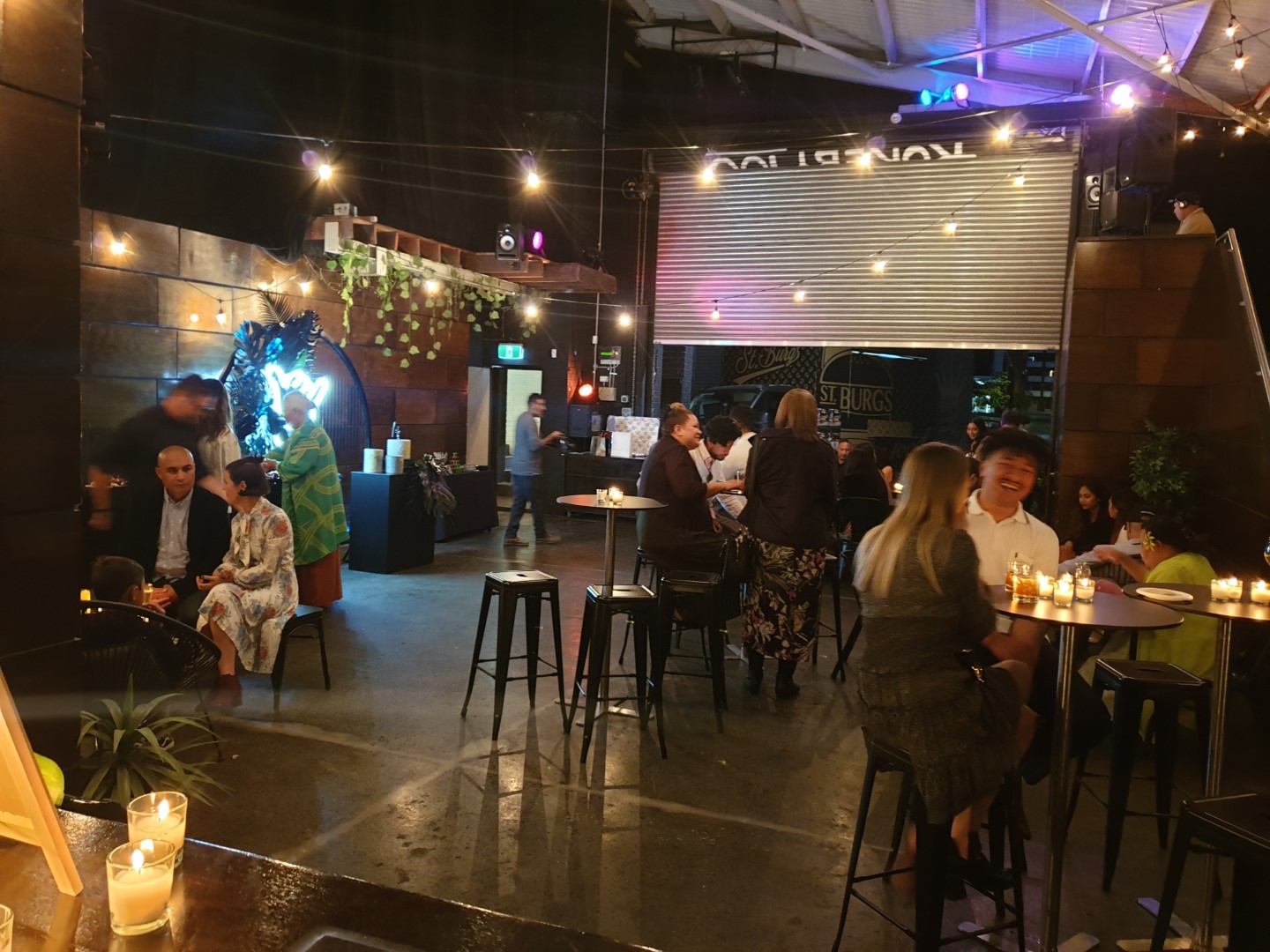
Melbourne, Victoria
Rokeby100 is Collingwood’s modern-industrial blank canvas — a warehouse event space on Rokeby Street where exposed block walls, festoon lights and a skylit…
Wedding Venues
Visit in person
The Journal · Blank canvas
Two mood boards, and neither of them answers the question that costs money: how much of this room do you have to bring?
By The Little Wedding Planner Editors · · Updated 10 September 2026
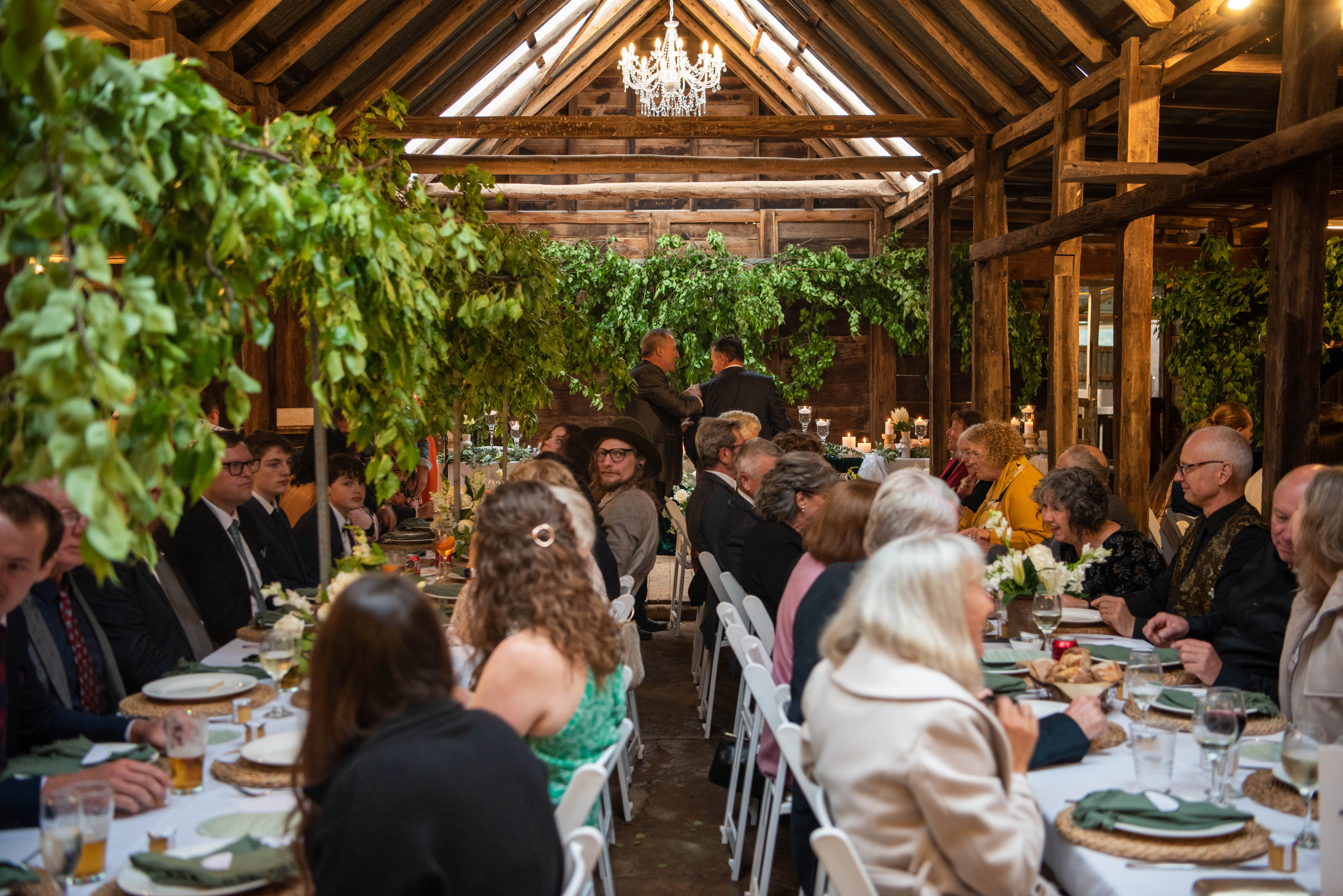
Industrial and rustic are two answers to the same question, which is how much of this room you have to bring, and the wall finish does not answer it. What comes with the room does, and it is set independently of the look: a warehouse can arrive with the kitchen, the sound and every chair, and a hundred-year-old shed can arrive with the tables and the crockery. The venues that print that list are handing you your budget before you ask for it.
You have two mood boards open and you are treating them as a fork in the road.
One is black steel, polished concrete, a brick wall with the render knocked off, Edison bulbs on black cord. The other is rough timber, hessian, a wagon wheel leaning against nothing in particular, Edison bulbs on brown cord. You have been calling these industrial and rustic, and talking about them as though they were two different weekends and two different budgets.
Both boards end on the same bulb. Choosing between the two boards is choosing how the wall looks, and nothing more than that. Everything that will decide your Friday is somewhere else in the room: the chairs, the kitchen, the glasses, the sound, the person who knows where the fuse box is.
The wall finish is a matter of taste, and you can choose it however you like. What you spend is decided by something separate: how much of the room is already in it when you get there. Choosing the look does not choose that.
A shed a hundred years old can come with the tables in it, and the cloths, the chairs, the crockery and the cutlery. A room finished last year, brick raked back and lit like a magazine, can hand you a bar, a slab floor and good luck. It goes the other way round just as easily.
The adjectives are no help. Raw, honest, characterful, unpretentious, a space that lets you make it your own. Not a word of that tells you whether there are chairs. The photographs will not tell you either. Both rooms get shot empty on a weekday afternoon, one chair turned at a thoughtful angle, because that is how you photograph proportion and light. You are the one who has to put a hundred people in it.
None of which is a con. A room that has committed to a look has usually paid to commit, and somebody kept a hundred-year-old roof standing or paid an electrician to make the light do that. If one of these looks is why your chest went tight when you walked in, you have not been fooled. You have answered a question about how the night will feel. The question that costs money is duller: how much of this room already exists.
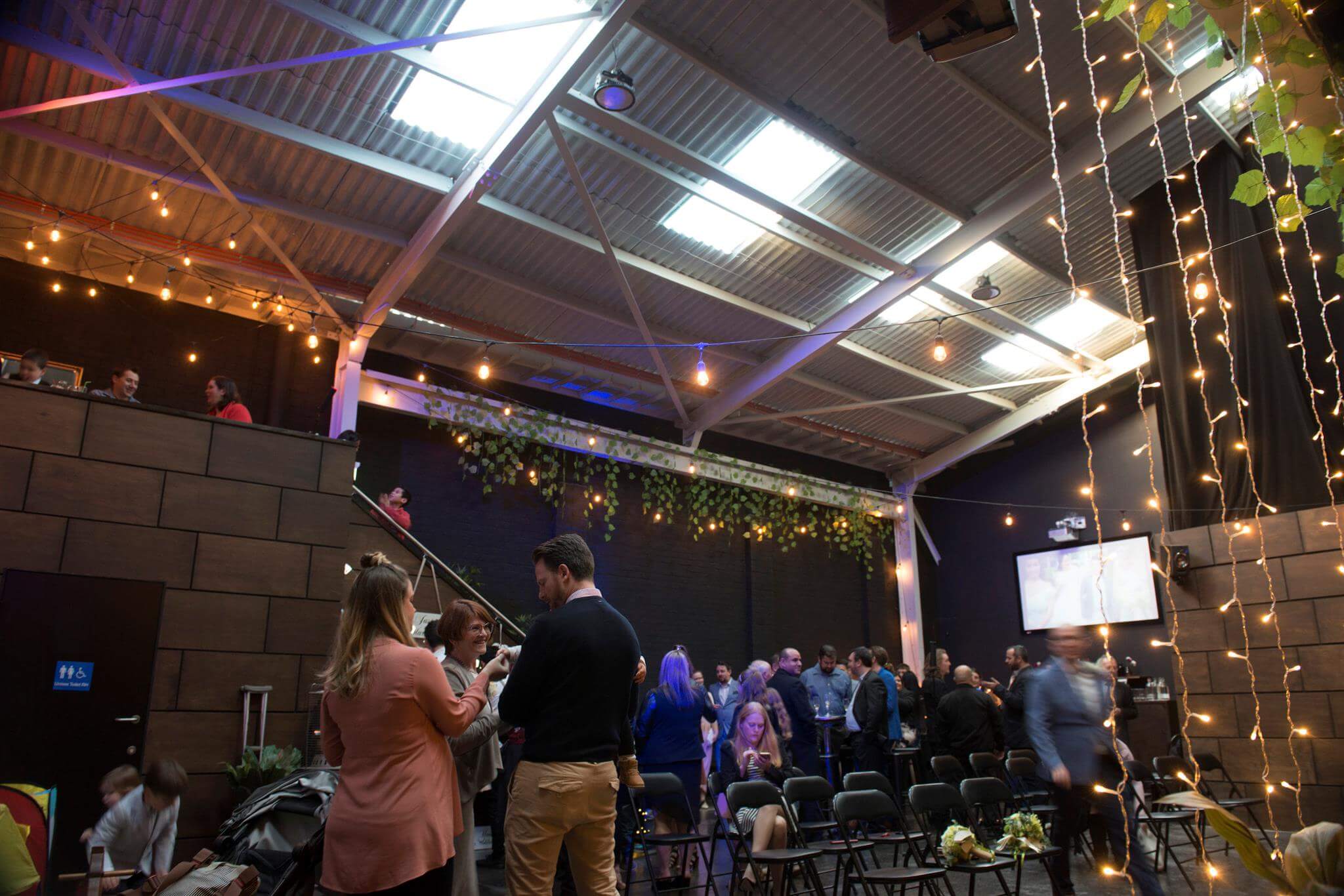
An empty room is a real choice and often the right one. It can be the cheapest way to get a hundred people under a big roof, and the surest way to get the wedding that is in your head. A full room and an empty one are not a better wedding and a worse one. They are different amounts of work.
Somebody has to hire the tables and chairs and then count them twice, because the hire company counts them once. Somebody has to find ice on a Saturday in January. Somebody has to move the wagon wheel twice, once because it is in the photograph and once because it is in the fire exit. Somebody has to sweep a slab floor at one in the morning, still in the suit.
That somebody is you, or your parents, or the friends who arrived on Friday thinking they were guests. None of it turns up on a quote. A quote prices the work the venue is selling you. It does not price the work left over for you, and the money you save on the room comes back on the hire list.
The best hire pages I have read price that work anyway. Cleaning gets a line of its own. So do the door staff, by the hour, wherever there is drink and dancing. They are people, and in a room that comes with things their hours are already inside the number you were quoted. In an empty one they are your friend, in yesterday's clothes, up a ladder at ten past nine, looking for the fuse box while nobody stops dancing.
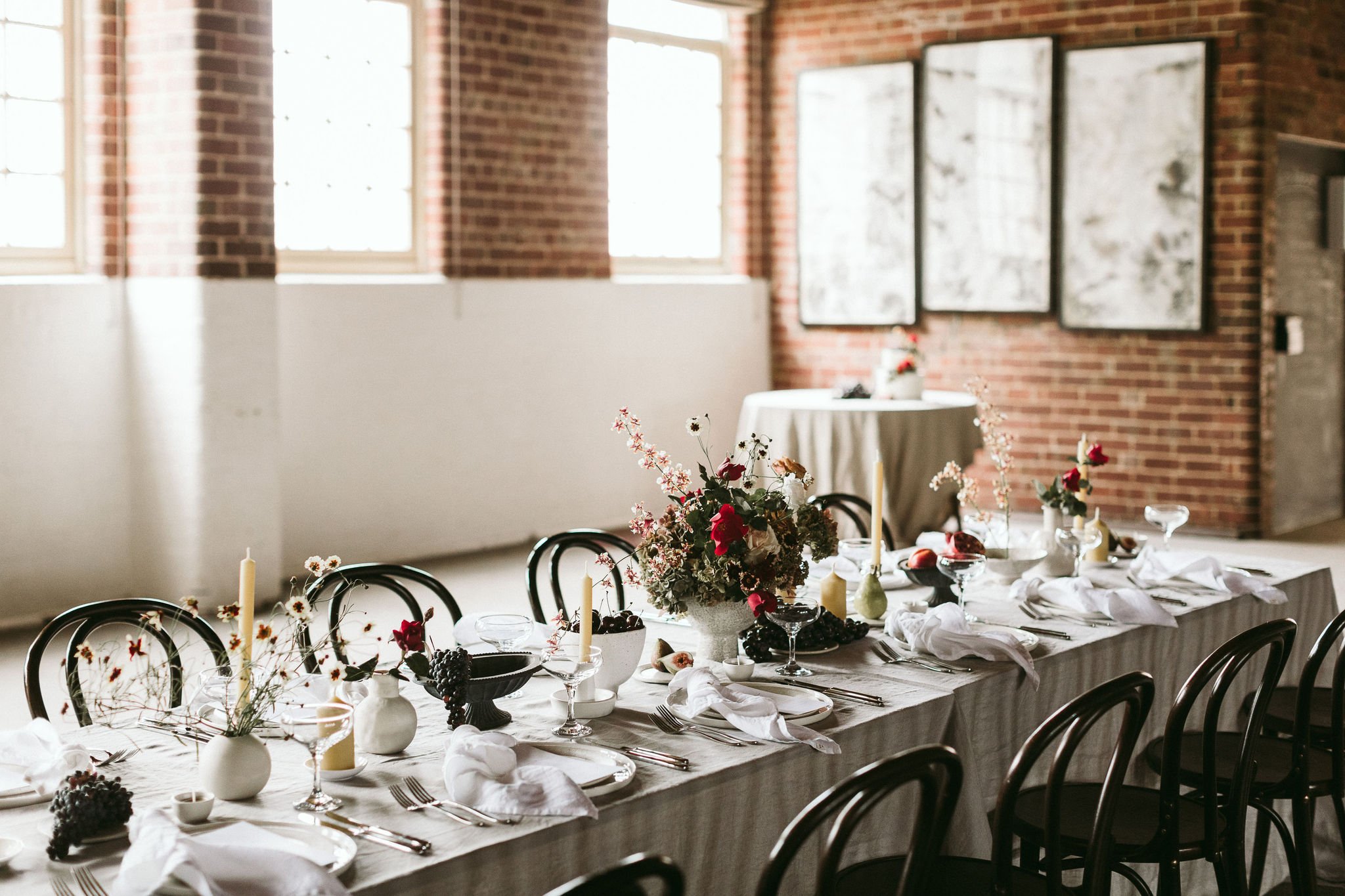
One line on a venue's hire page has nothing to do with how the room looks, and it is the one I would read first: what time the music has to stop.
A shed with paddocks all round it can promise you the whole night, no curfew and no limit on the noise, and mean it. It can promise that because there is nobody living close enough to be woken by it, and not because of the timber. A room down an inner-city laneway keeps whatever hour the bedrooms across the road keep. That is planning law rather than anybody's meanness, and a barn with a neighbour at the end of the driveway is in the same position. Work out what that hour is worth to you before you fall for a room.
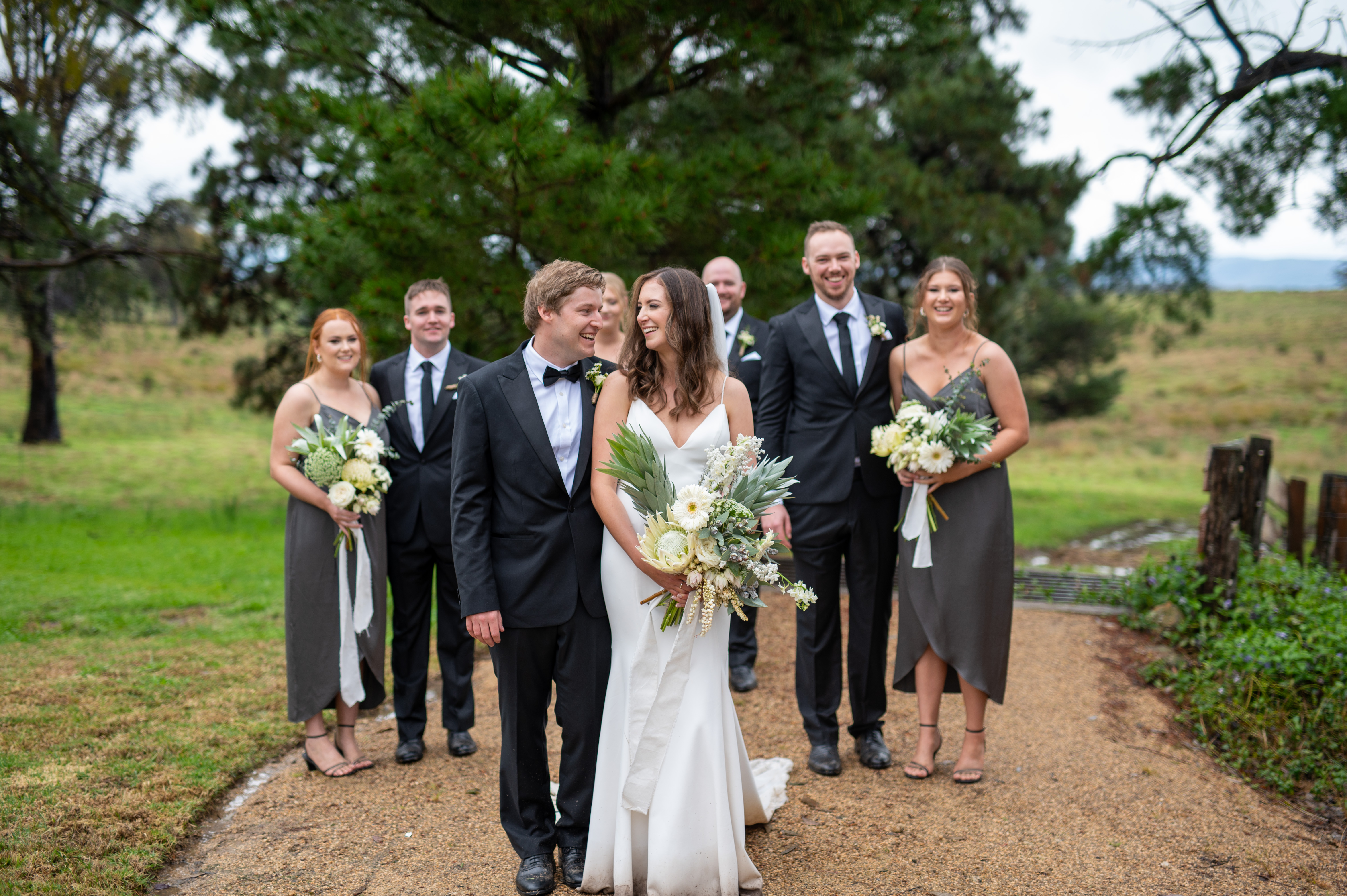
Being that far out cuts both ways. The laneway puts a hundred guests in taxis at midnight. The paddock gives you the night, and then somebody drives an hour in the morning. Neither of those is on a mood board. Both come from where the venue stands, and you can put a brick wall or rough timber into any room, but you cannot move the room.
Stand in the middle of the room and stop looking at the walls. List what you can see that will still be there on the Saturday: chairs, tables, a kitchen a caterer can actually work in, a sound system somebody else maintains, toilets that cope with a full room, lights that do not arrive in a van. Then list what has to be trucked in, hired, counted and carried out again on the Sunday morning. The second list is what you will pay for and what somebody will spend the weekend carrying. It is the same list whether the wall behind it is brick or board.
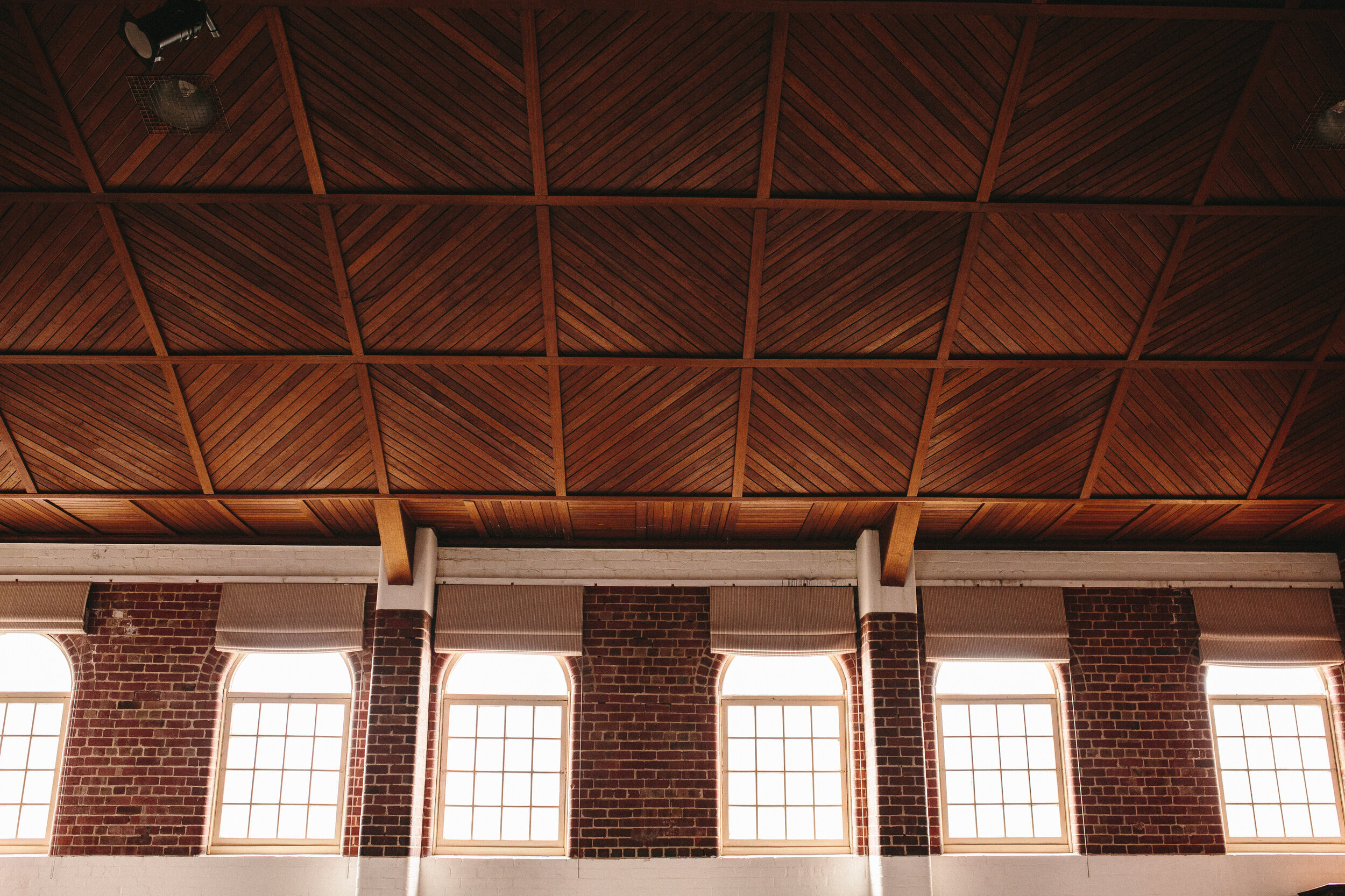
Then ask for the first list in writing, in those words: what comes with the room. Some venues have it ready and send it straight back. That tells you how much of the setting up will be yours, and it costs you nothing to find out.
The look is not worthless. You will be standing in this room from the afternoon until midnight, and a wagon wheel you love is a fine thing to own for a day. But the look is the cheapest thing you are buying and the easiest to photograph, which is why you were shown it first. Put both boards away until you have both lists. Then pick the bulb.
Rokeby100 is Collingwood’s modern-industrial blank canvas — a warehouse event space on Rokeby Street where exposed block walls, festoon lights and a skylit…
A shearing shed on a 2,400-acre working cattle farm between Rylstone and Mudgee, in the hills of central-west New South Wales.
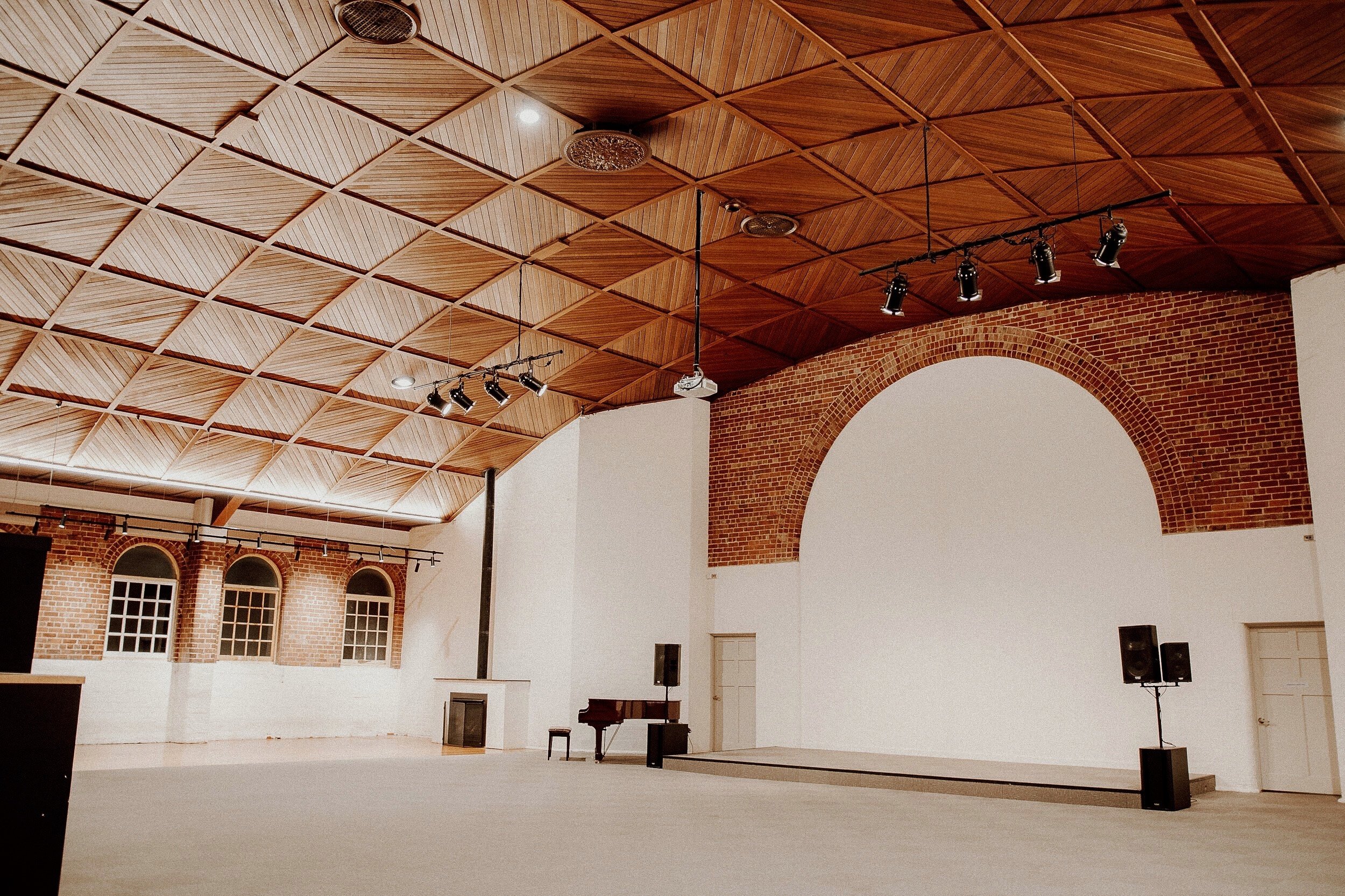
75 Reid St is Fitzroy North’s community-hearted blank canvas — a beautifully refurbished 1920s building near Edinburgh Gardens whose auditorium’s sweeping arched…
As Brisbane’s oldest surviving European residence, Newstead House offers a rare opportunity to celebrate your wedding within a living piece of Queensland history.
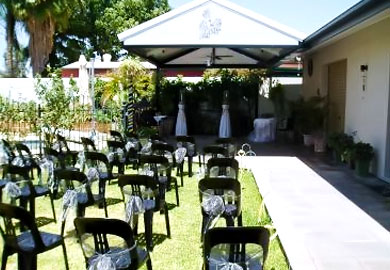
A Good Rest is a small bed and breakfast at 51 Dixon Road, minutes from the Alice Springs CBD, which also hosts weddings in its garden.

Ballara Receptions sits on Main Road at Eltham, in Melbourne’s north-eastern green belt, around a lake fed by a cascading waterfall with willows down to the water.
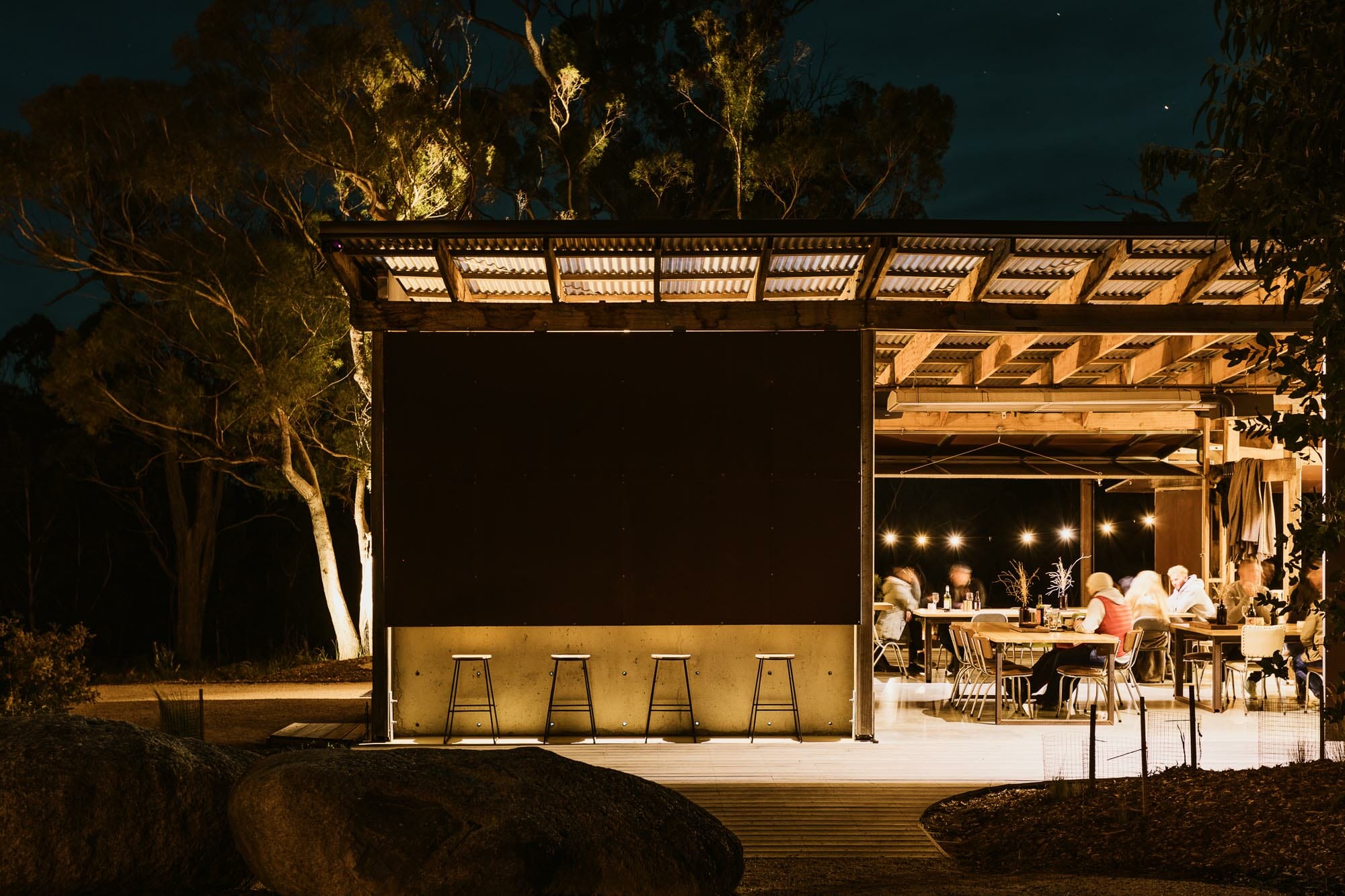
A boutique glamping retreat on 25 acres of coastal bush at Binalong Bay, minutes from the orange-lichened granite of the Bay of Fires.
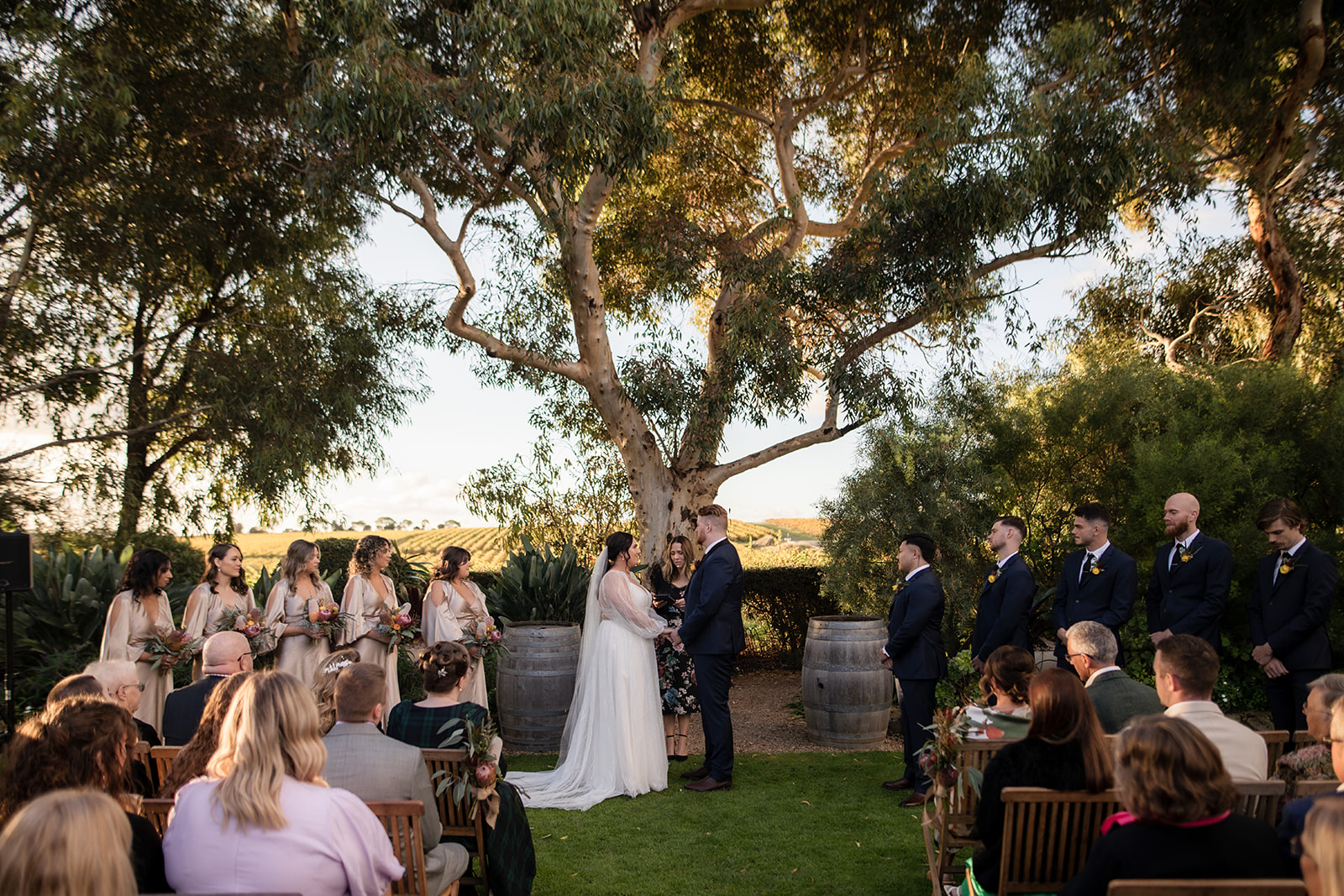
Beach Road is a family-owned winery, cellar door, restaurant and function centre in the middle of McLaren Vale, looking over the vineyards to the Willunga…
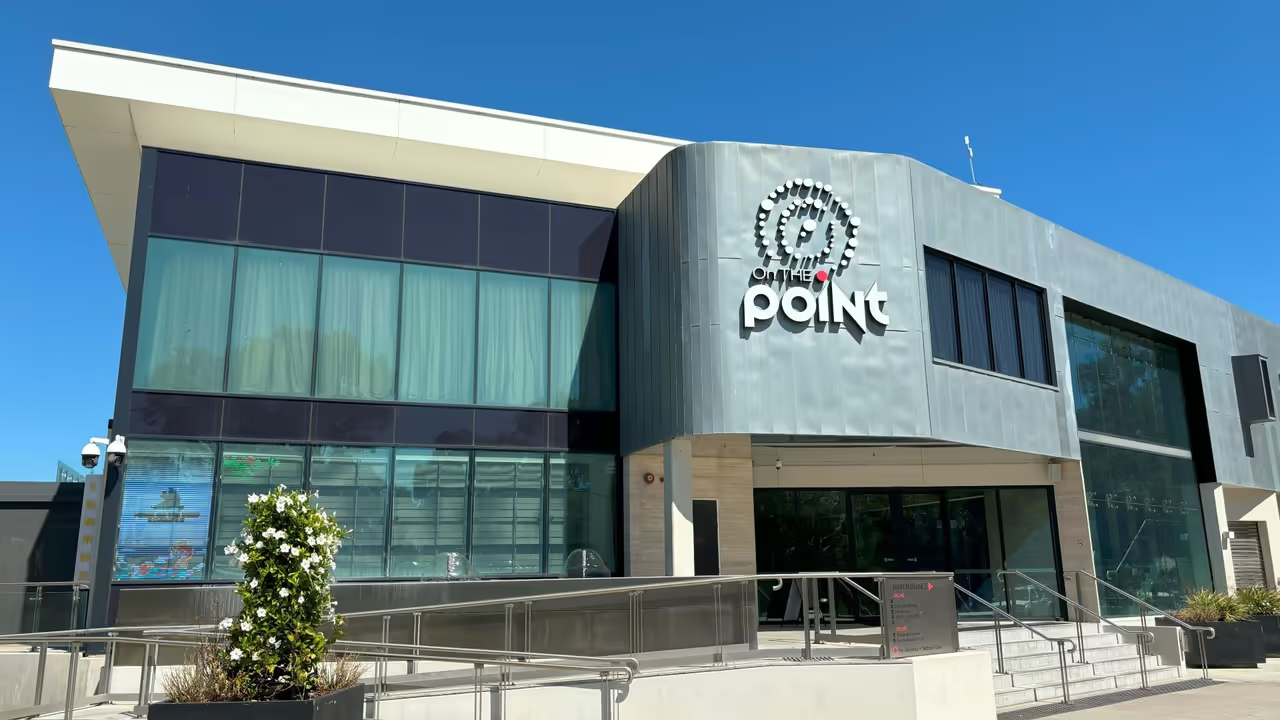
Beaumonde on the Point commands the Swan River at East Perth’s Point Fraser — a purpose-built waterfront events house whose Grand Ballroom glows in blue and gold…
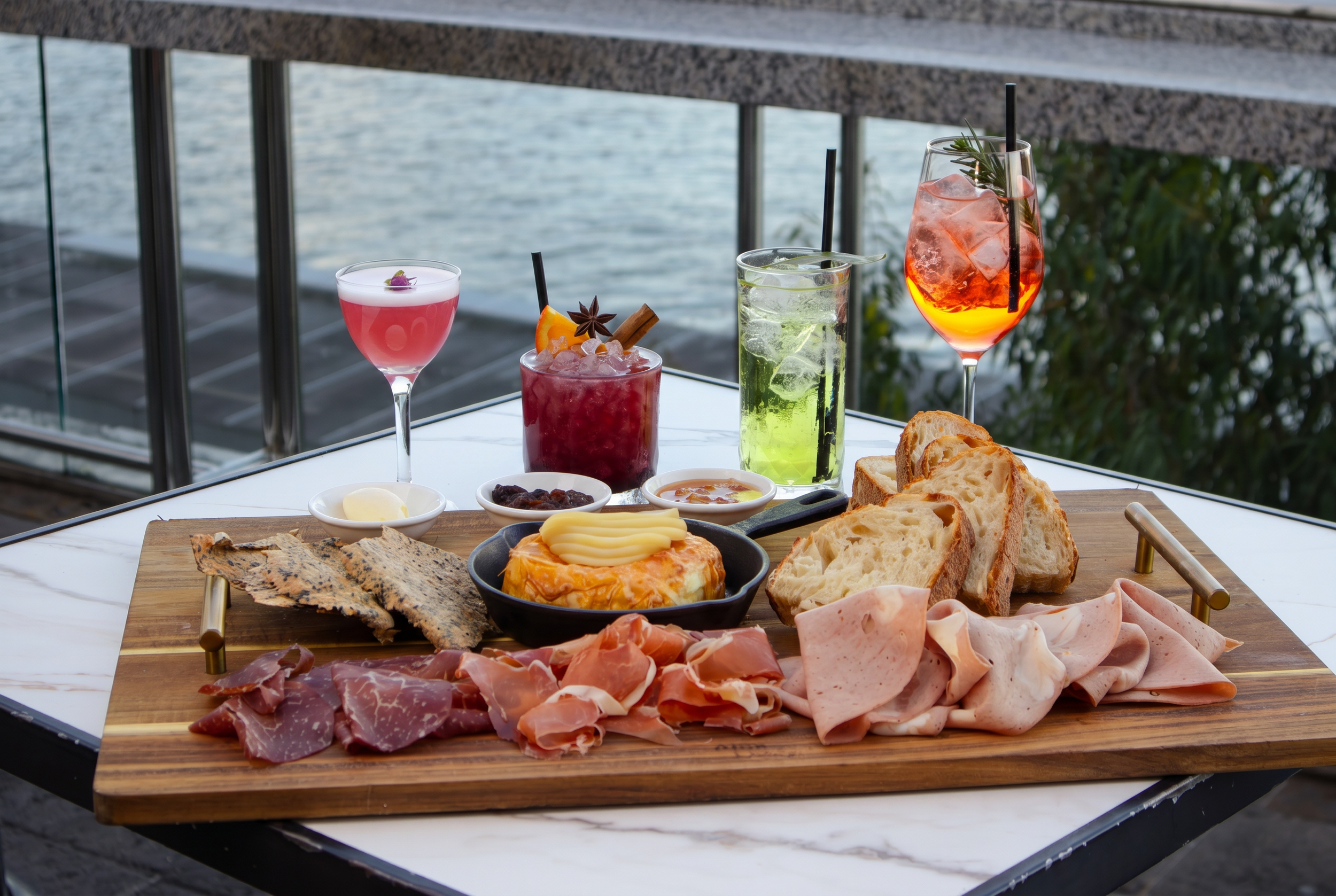
Located in the heart of the Riverside Centre, Blackbird Bar & Grill offers a premier wedding destination in Brisbane City.
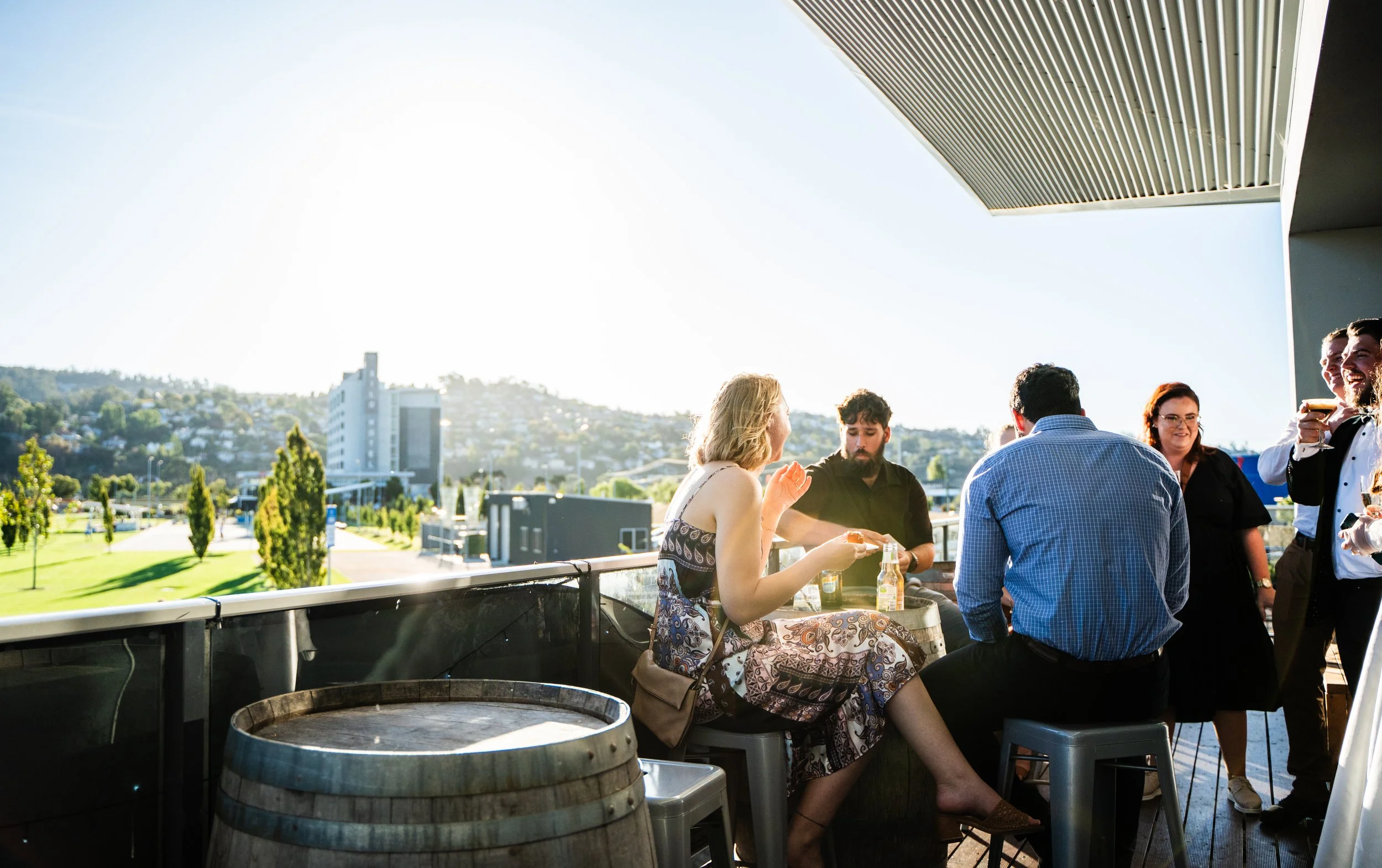
A purpose-built function centre on the Seaport waterfront at Invermay, minutes from the Launceston CBD, with the Tamar River through the windows of every room and a…
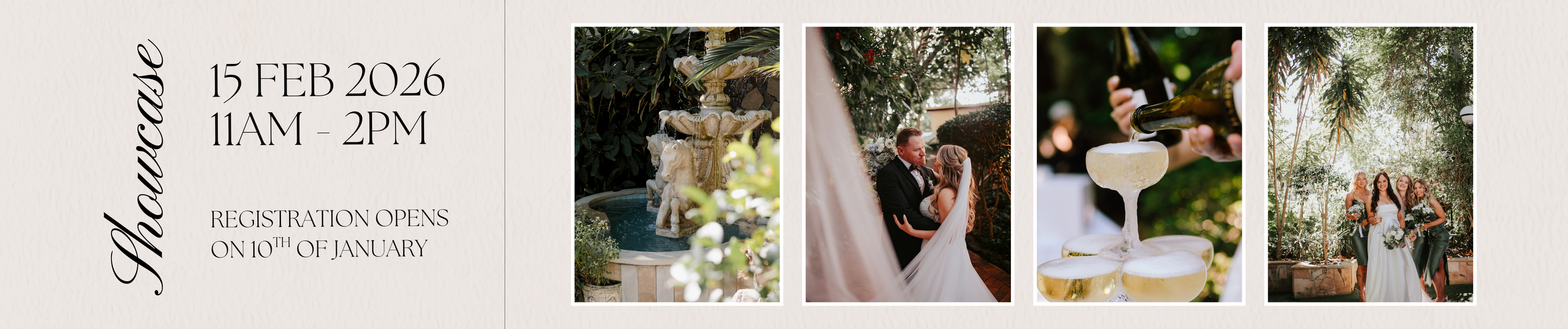
Hidden just 15 minutes from the CBD in the leafy suburb of Indooroopilly, Boulevard Gardens is a secluded sanctuary that offers a timeless, romantic escape.