

Adelaide, South Australia
Adelaide Pavilion
The Adelaide Pavilion floats in Veale Gardens on the city’s South Terrace parklands — floor-to-ceiling glass on every side, roses and water features beyond, and a…
Wedding Venues
The Journal · All-inclusive
The food is priced per head. The drinks are priced per head and by the hour, and the second number is the one nobody reads out.
By The Little Wedding Planner Editors · · Updated 8 September 2026
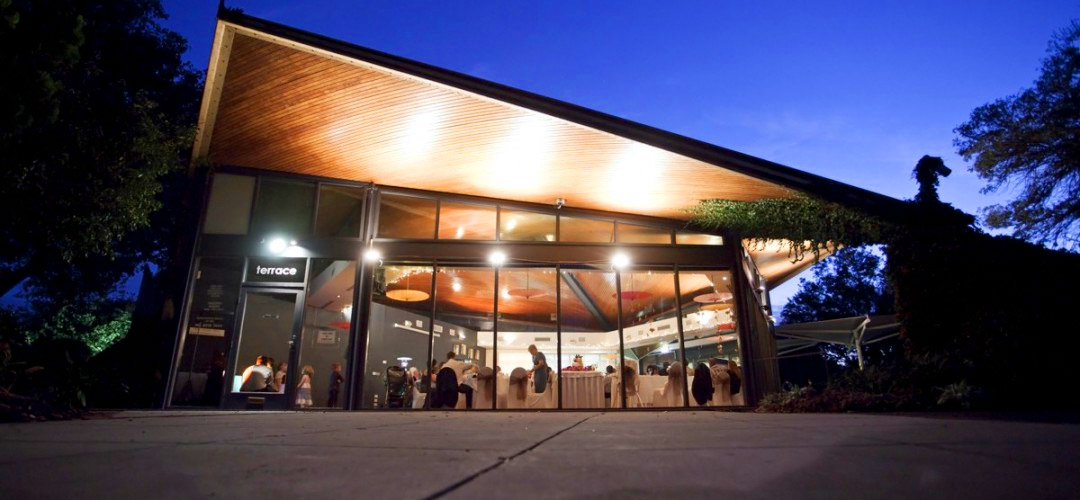
Some venues price the room on one clock and the bar on another, and the bar's is the shorter one. The hours on the beverage package are the real end of the night, and the gap between the two is either a cash bar nobody planned for or an extension nobody budgeted for. Nobody is cheating: an hour of a licensed bar costs real money to staff. It is just a number that gets printed and never read out.
Twenty to ten, and the room is at its best. The speeches are done, the shoes are off, and the floor has finally filled with the people who swore they would not dance.
Behind the bar, a young man in a black shirt starts lifting bottles out of the ice and putting them away. He is not being rude, and not deciding anything. He was told what time the drinks stop, and it is a time nobody on that dance floor has heard.
You bought the food per head. You bought the drinks separately, and that purchase carried two numbers: a price and a length. The length is the one that ends your wedding.
Ask what time your wedding finishes and you get an answer. Ask what time the bar closes and you can get a different answer, from the same person, about the same night. Some venues run the room and the bar on two clocks, and the bar's is shorter.
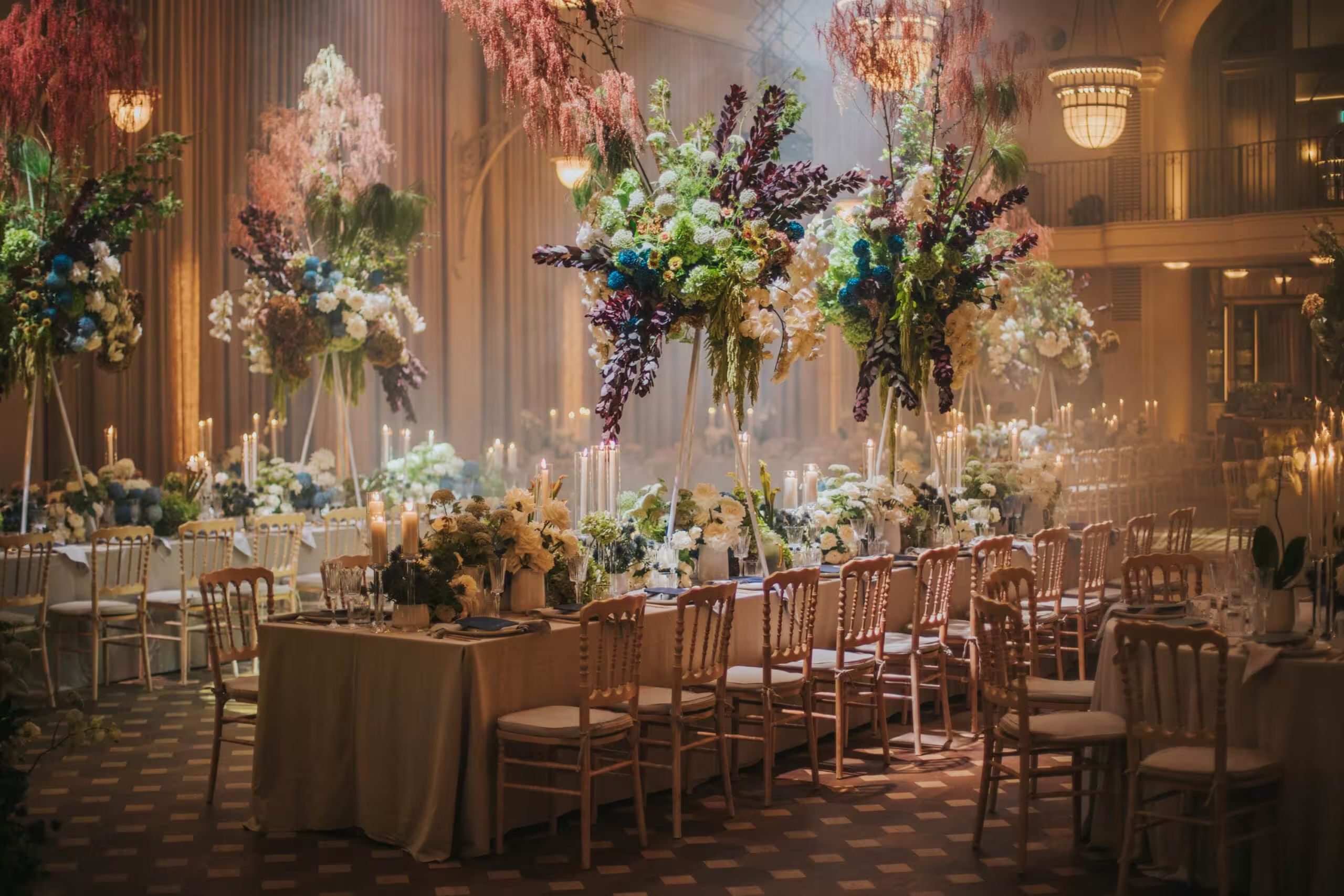
The good ones print both, with a price against each. One Sydney venue on the northern beaches charges $495 for every extra half hour of one of its rooms, to an eleven o'clock close, and $14 a head to extend the drinks, to half past ten. Two clocks, two prices, both printed.
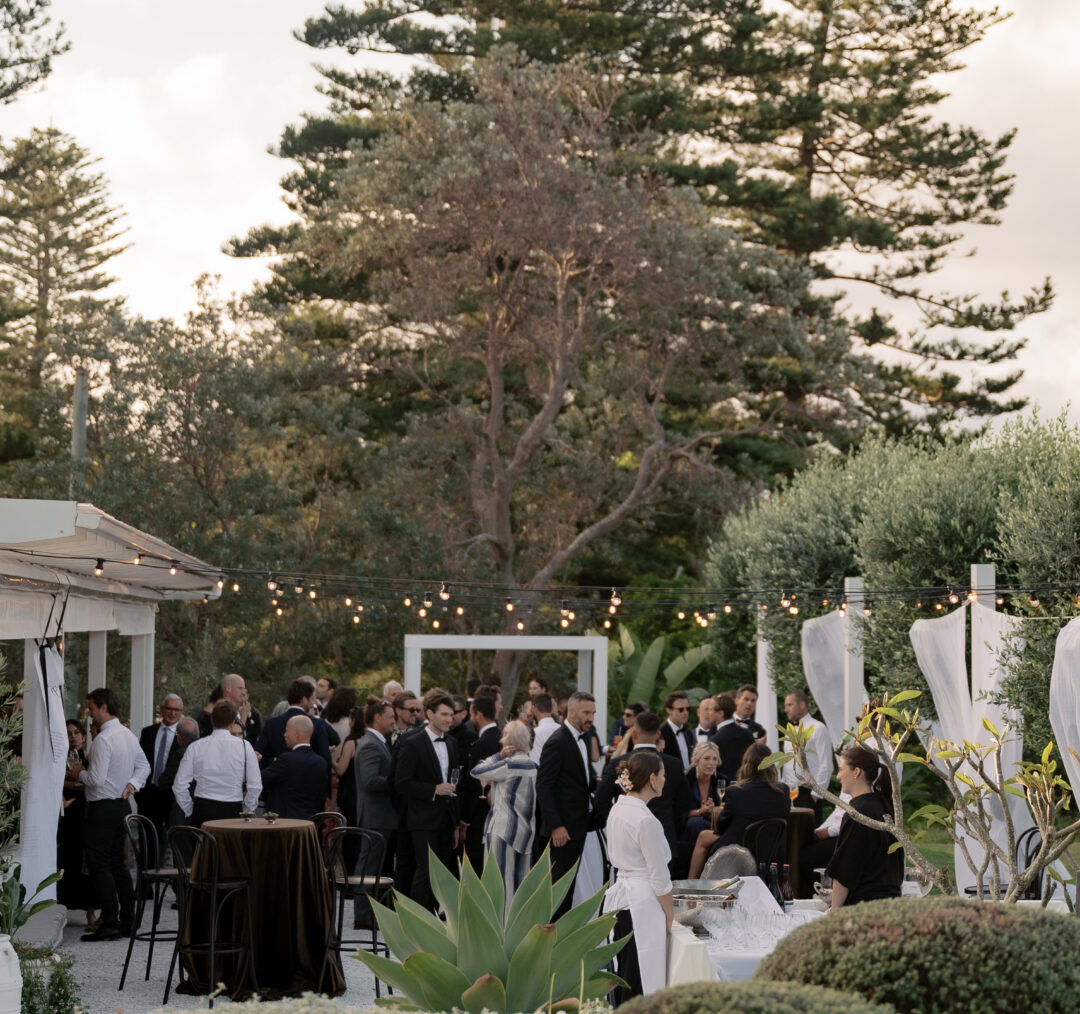
Nobody is cheating anybody. A bar is not a tap somebody forgot to turn off. It is a licensed room with staff on a roster and a licence that can be taken off you, and one club publishes that reasoning against its public holiday fee: it is higher because staff penalty rates are. A five-hour bar is a fair thing to sell, and roughly what a wedding needs. What goes wrong is duller than a swindle: the length is printed, and it is never the number read out at the kitchen table.
Nobody chooses a drinks package by its length. You choose it by the list, because the list is the part you can taste and the length is a word at the end of a line.
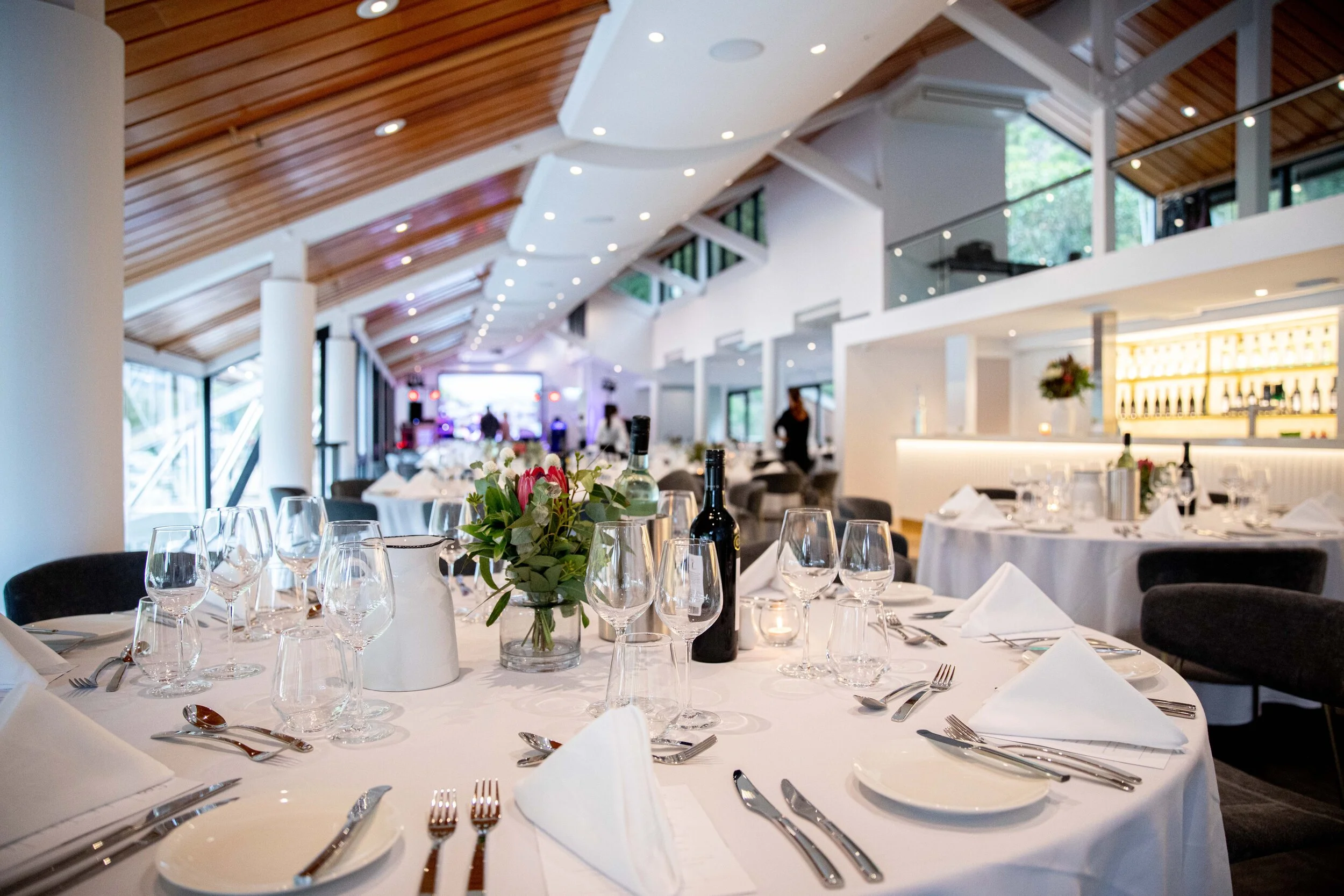
A Newcastle hotel prints the whole thing as a grid, which is what you want. Three lists at three lengths: three hours, four or five. Bronze is $59, $69 and $79 a head; Silver $69, $79 and $89; Gold $79, $89 and $99. An hour costs ten dollars a head. A better list costs ten dollars a head. Worth the same, and yours to choose. It prints the other number too: function prices are based on a five-hour period. Put the three-hour list inside the five-hour function and there is a two-hour gap, printed, and the rung beside it closes it.

Then there is the hour after the package ends, which carries a price of its own. One venue works it out to the half dollar, at $6.50 a person an hour. Others charge $20. It can look steep. What it covers is bar staff for another hour, the security, the licence conditions, and a kitchen going home later than it planned.

Do the sum with your own guest count at the kitchen table, because at twenty to ten nobody will. A hundred and thirty guests at $20 a head is $2,600 for one more hour, decided beside a dance floor by two people awake since six. It moves with the guest list, like everything else priced per head. Not every venue charges that way: some price the hour flat, whoever is still in the room.
Part of the clock is not the venue's to sell at any price, and the packages that say so save an argument. One Hunter Valley wedding package prints the reason beside the rate: bar service must conclude at 10pm with all guests to depart by 11pm, to comply with NSW liquor licensing. No money moves that one.
A beverage package is two things sold as one: the stock, and somebody to pour it. The hours are how the two get priced together.
One Clare Valley winery lists three other ways, plainly, on a page about hiring a lawn. A full open bar, paid on what gets drunk; a limited open bar, with the couple choosing the range in advance; and a cash bar, with a tab available. Not one of the three has a clock in it. What you are buying stops being a length of time and becomes a number of drinks.
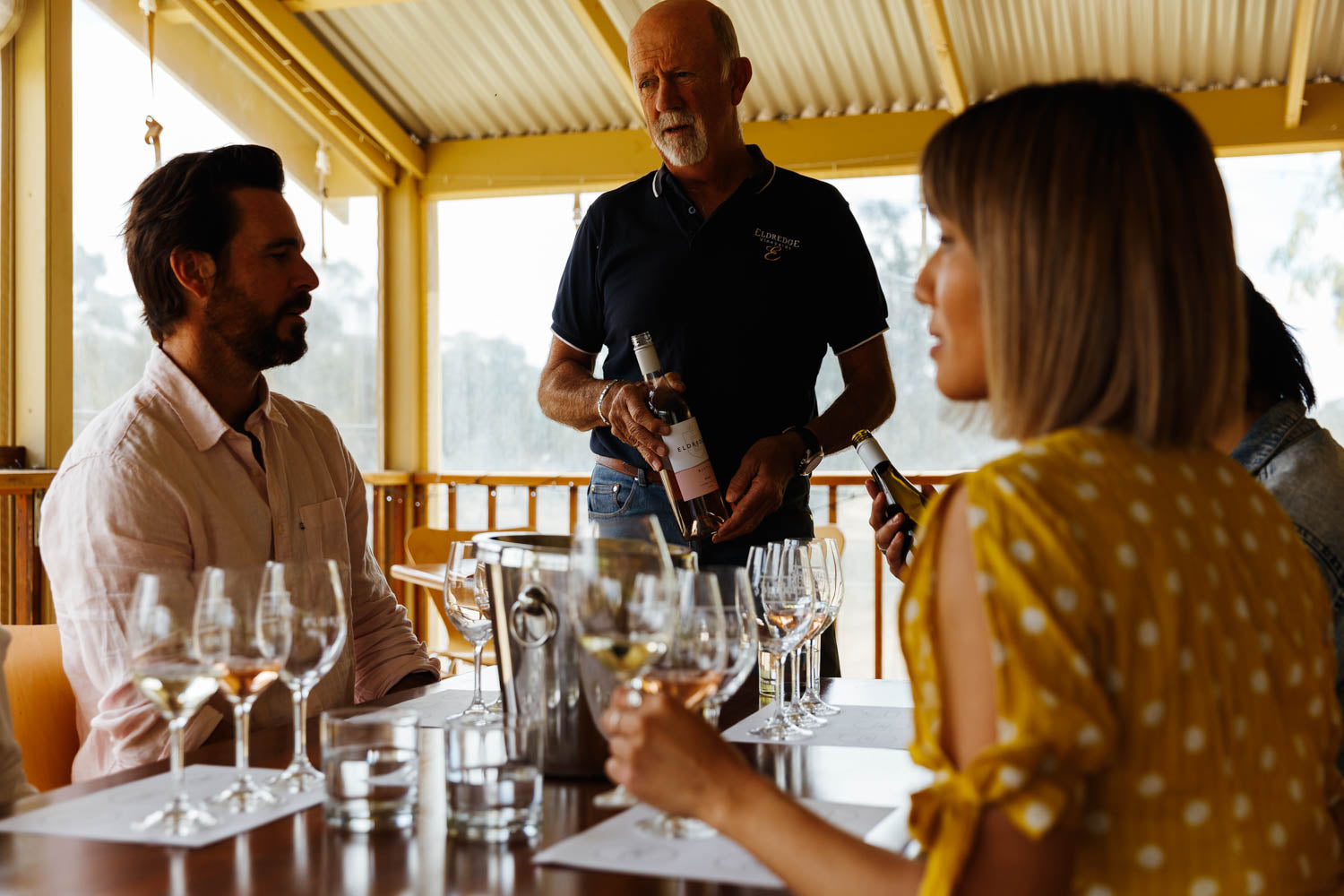
The package is the easy thing to sell, and for a good reason: it is a number a venue can staff to and stock against, and an open tab is neither. One McLaren Vale winery publishes where its own line falls, in a brochure you can read before you enquire. Consumption from May to September, or midweek. A package outside those windows. Which makes how you buy the drinks partly a decision about which month you marry in.
A fourth way, where the venue allows it, is to carry the drink in yourself. Of the 614 venues here, 69 mention BYO or corkage somewhere in what they publish about price, and the ones that put a figure on it repay a slow read, because corkage is not a fine. It is the bar, sold without the stock.
A Queensland venue charges corkage from $20 a head, run with a caterer it names, and prints what the money buys: the bar set up, the staff, the glassware and fridges, the water, the ice. Read that list again. There is no wine in it. It is all labour and equipment and ice, and every line was in the package too, with the wine on top.
That does not happen by itself. Somebody has to buy it, carry it, keep it cold and be wrong about how much of it a hundred and thirty people will drink, and paying a venue to be wrong instead is worth real money. But it is a choice, and a choice about the clock as much as the wine. Stop buying hours and the hours stop being what ends the night. The licence still ends it.
A cash bar is not a failure, either. Plenty of guests would rather buy their own beer than watch somebody else pay all night. The trouble is never the cash bar. It is nobody deciding, and a hundred and thirty people working out at once, from the sound of a fridge door, that the party is finished.
So there is one question for the email with the menus, and it is not what time the wedding finishes. It is what time the drinks stop, and whether that is the same time the room closes. Ask when the package starts, too: one that begins at the ceremony and one that begins at the table end at different times. Then ask what the hour between them costs. Some venues have printed the answers already rather than wait to be asked, and there is a noise argument about the same clock worth reading beside it.
So go back to twenty to ten, and the young man with the bottles in his hands. He knows what time it is. So does the coordinator, and so did whoever priced the extra hour to the half dollar months ago, in a spreadsheet. The two people who never had it said out loud are the ones paying for it. Ask what time the drinks stop, not what time the venue closes, and buy the hour after that in daylight with a calculator rather than at ten o'clock with a microphone in your hand.
The Adelaide Pavilion floats in Veale Gardens on the city’s South Terrace parklands — floor-to-ceiling glass on every side, roses and water features beyond, and a…
Merci Group runs two of the Northern Beaches’ most loved coastal wedding venues: Dunes, the Mediterranean-inspired pavilion in the dunes of Palm Beach, and Mobys…

San Martin sits over the still, green waters of Akuna Bay in the heart of Ku-ring-gai Chase National Park — a destination wedding venue less than an hour from…
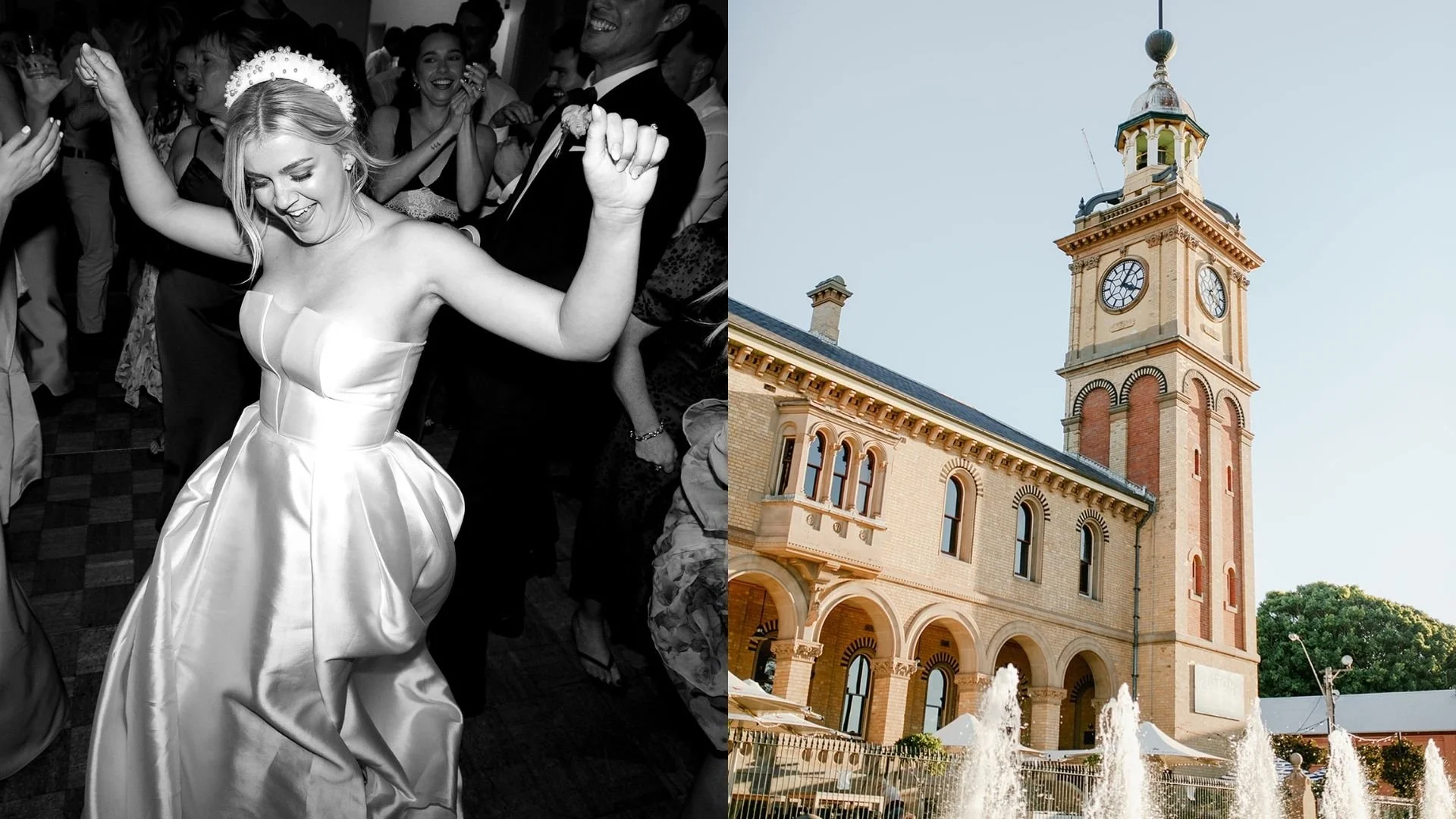
Customs House Hotel has stood on Newcastle’s harbour foreshore since 1877, when it housed the Australian Customs offices.
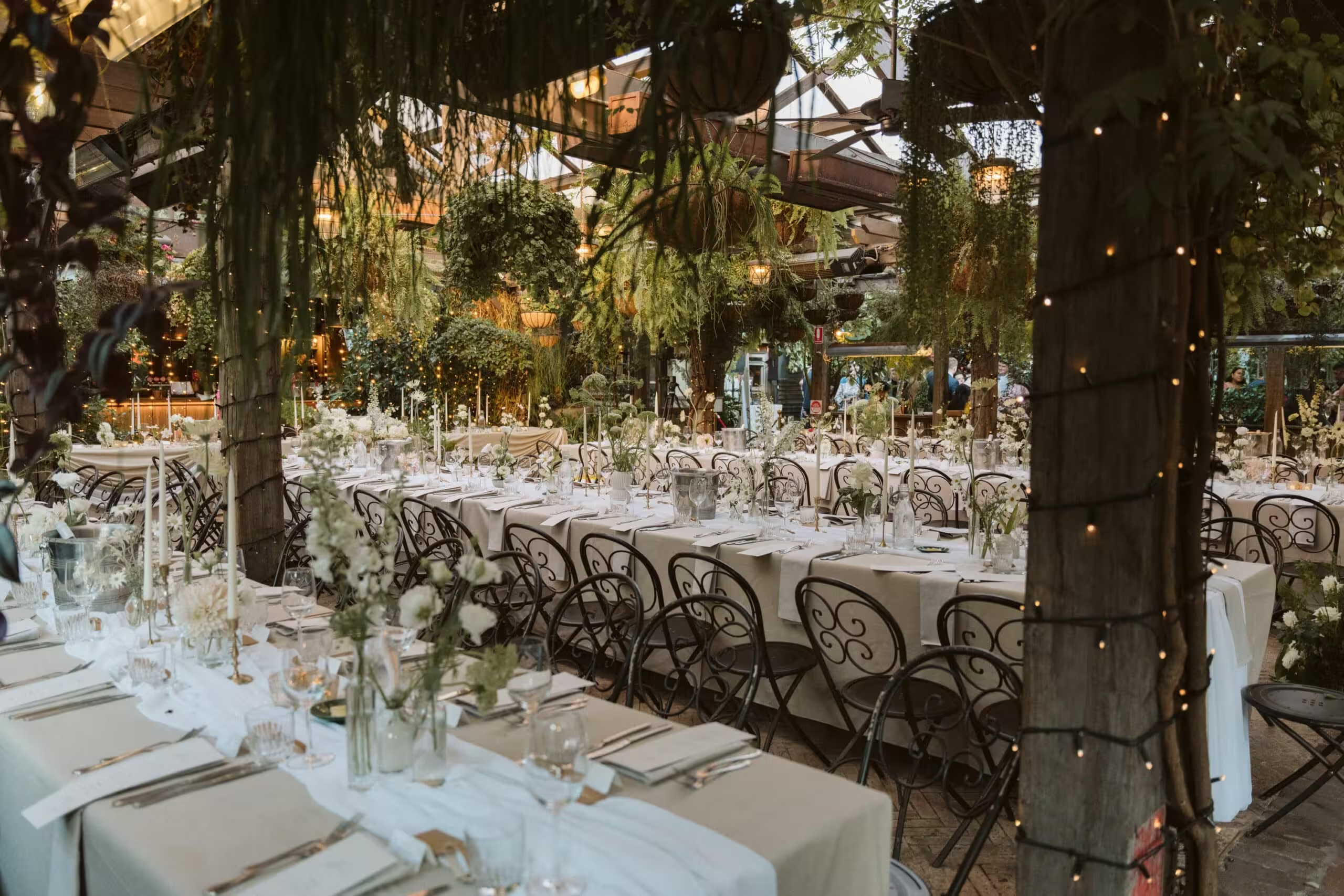
The Grounds of Alexandria is Sydney’s most famous garden-industrial wonderland — a former 1920s pie factory transformed into flowering gardens, coffee roastery and…

A 45-hectare vineyard property in the Sevenhill Ranges with a stone cottage cellar door built around 1920, restored in 1994 when Leigh and Karen Eldredge bought the…

A fully licensed beachfront function venue run by a volunteer surf life saving club that has been on this beach since 1921.
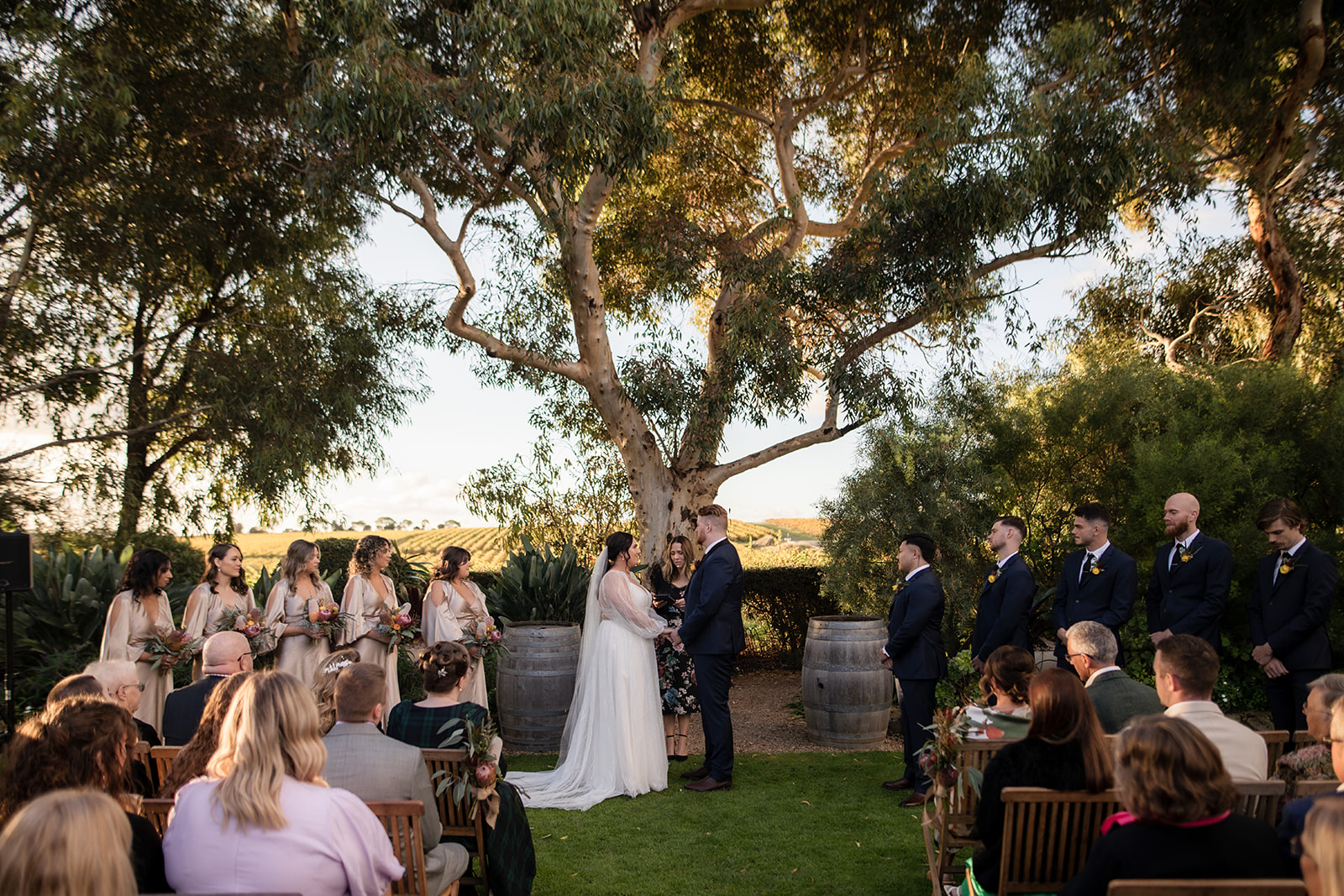
Beach Road is a family-owned winery, cellar door, restaurant and function centre in the middle of McLaren Vale, looking over the vineyards to the Willunga…
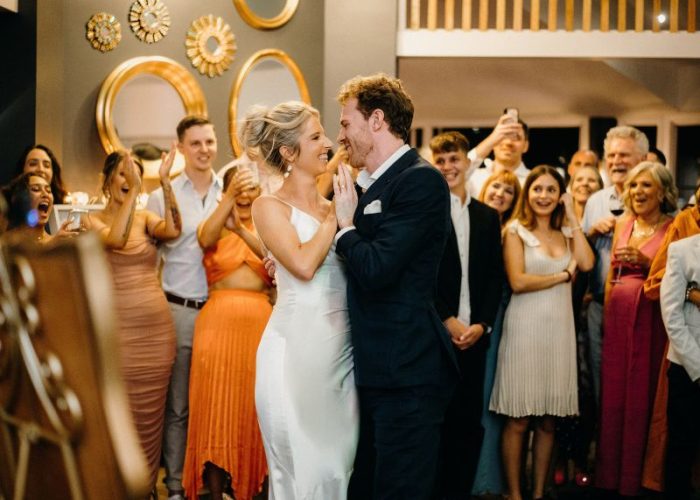
A newly refurbished retro-style hotel on five acres of tropical gardens at Nambucca Heads, with a lily pond and a white timber footbridge, halfway between Sydney…
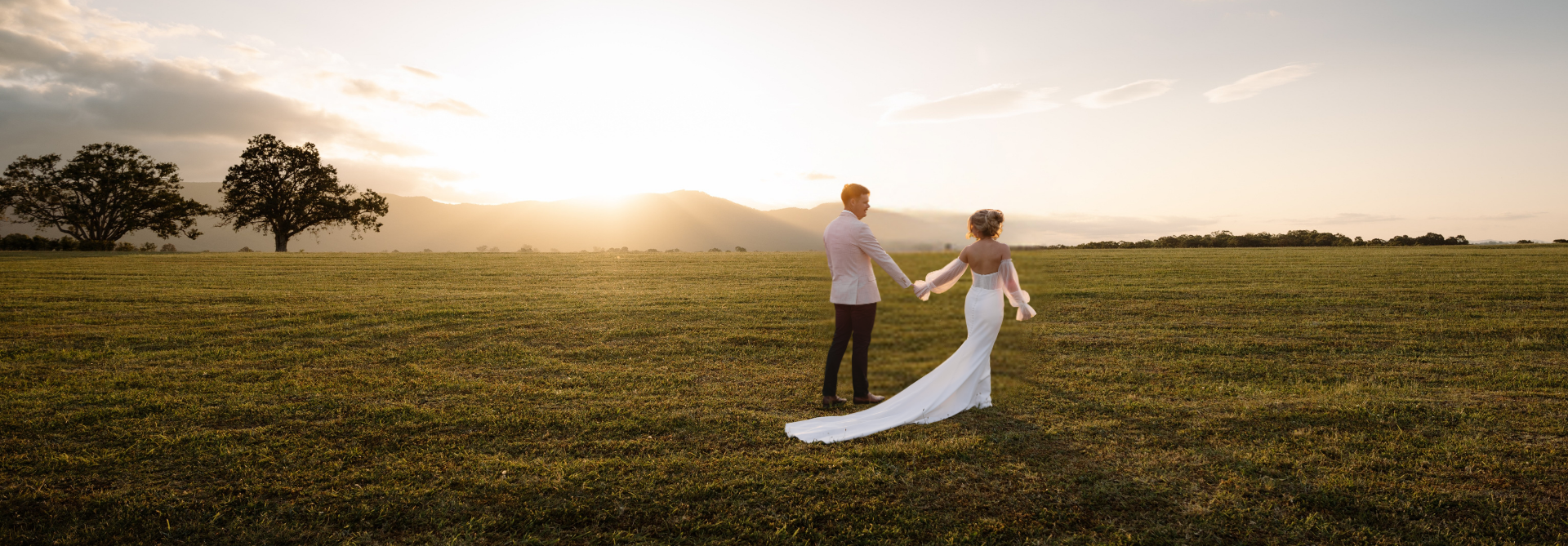
Bimbadgen is a Hunter Valley institution — the Palmers Lane vineyard, the tower-topped Estate winery of A Day on the Green fame, and Emma’s Cottage, with sixty…

Panorama House sits on the crest of Bulli Tops with the whole Illawarra and the Pacific Ocean laid out below — a clifftop function centre fifty minutes from Sydney…

A large working winery just south of Geelong whose flagship room, the Barrel Hall, seats 500 among the barrels and vats.
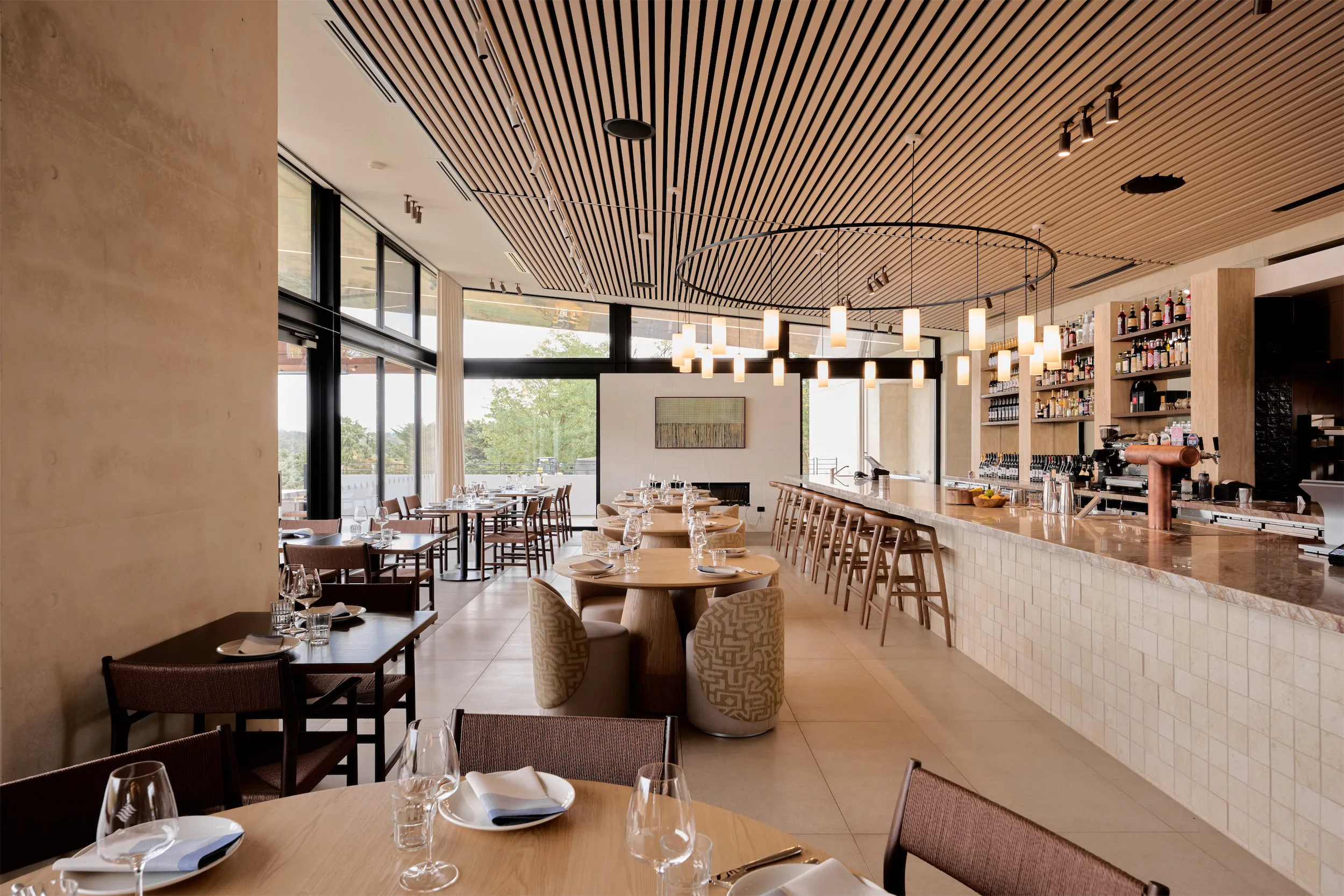
Shaw Estate sits on Isabel Drive in the heart of Murrumbateman’s wine region, framed by sweeping views of the Southern Tablelands and reached through tree-lined…
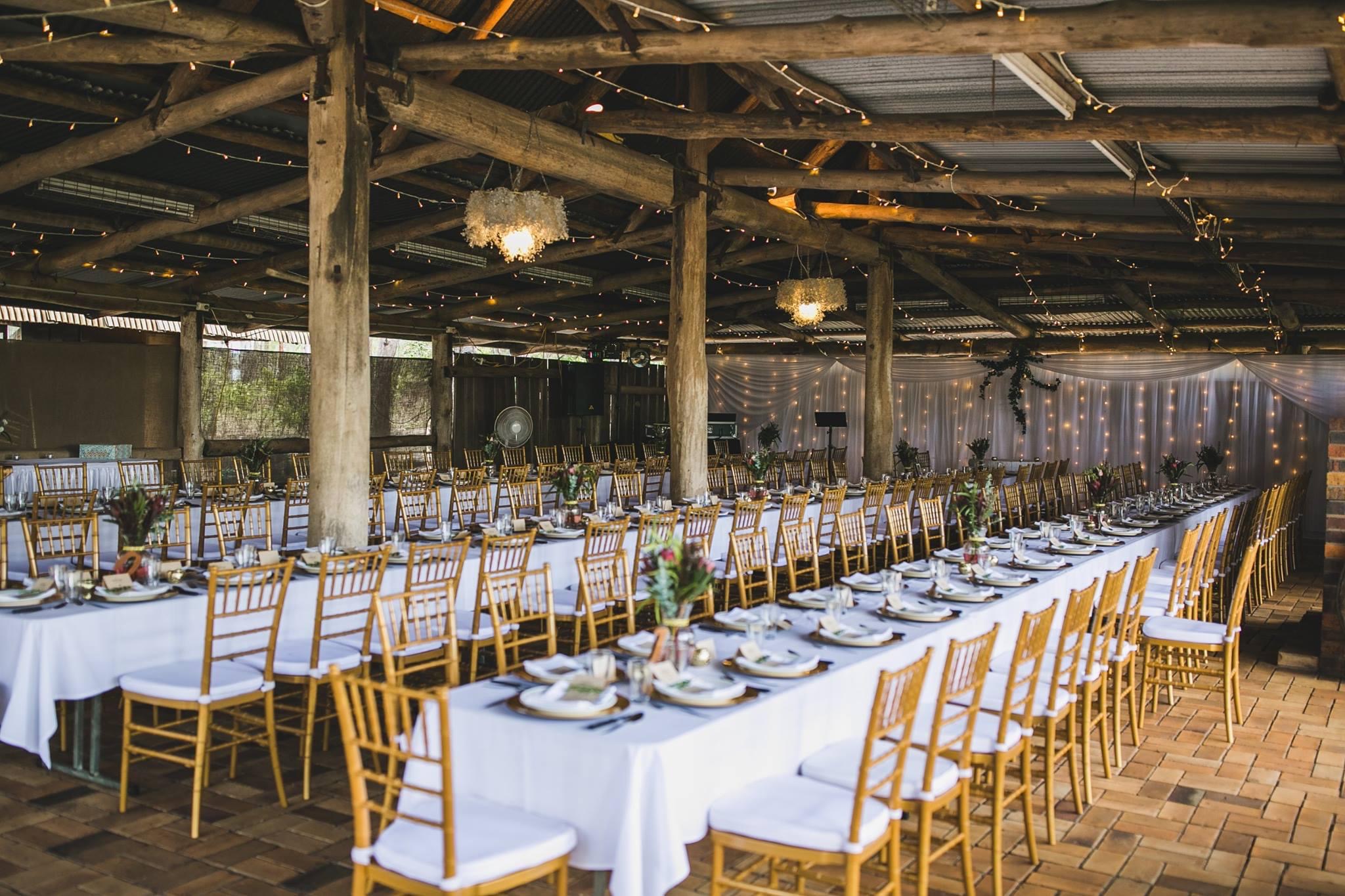
A 20-acre property on the banks of the Burnett River at South Bingera, fifteen minutes from the Bundaberg CBD, trading for over ten years.
The Broome Civic Centre is the town’s main hall, on the block that has been Broome’s civic heart since 1904.

Darlington Estate is the Perth Hills’ wedding icon — a winery restaurant folded into the bush above the Darlington valley, hosting weddings for more than thirty…